
You can make eclectic decor feel intentional by narrowing your palette, anchoring with one bold piece, and layering texture over pattern for calm. Repeat materials and shapes, give each vignette breathing room, and mix old and new with clear scale rules. These ideas show how to balance contrast and cohesion so your space looks edited — and there’s more on how to pull each move off.
Define a Cohesive Color Story With One Dominant Hue

When you center your palette around one dominant hue, the rest of the room falls into intentional harmony—use that color for large surfaces like a wall, sofa, or rug, then layer complementary tones and small contrasting accents to keep the look dynamic.
You’ll practice monochrome layering, balance accent undertones, and edit boldly so pieces breathe. Trust instinct; mix textures, not chaos.
Anchor the Room With a Statement Sofa in a Jewel Tone
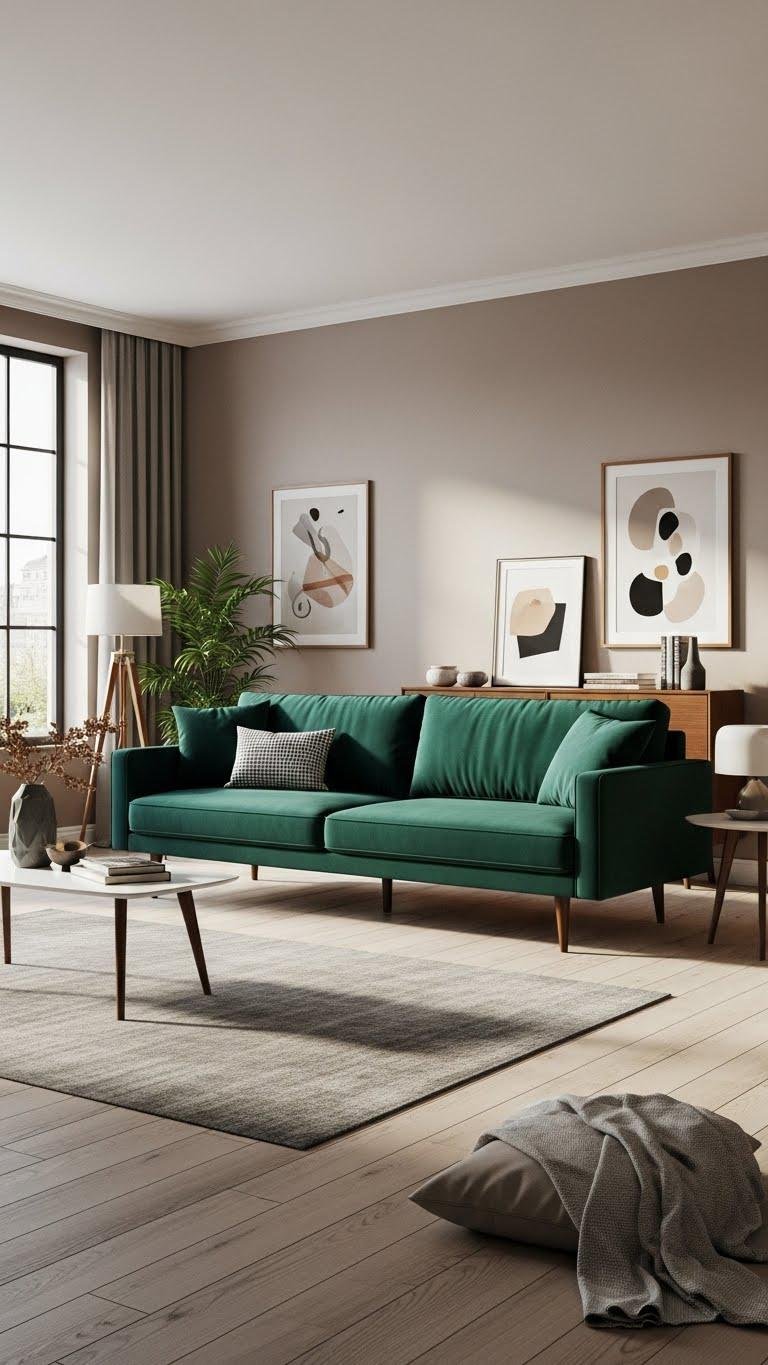
You’ve set a cohesive color story with one dominant hue; now let that foundation support a showstopping piece: a jewel-toned sofa. Choose a mid century silhouette for timeless edge, pick a jewel sofa in emerald or sapphire, and let it anchor a maximalist scheme without chaos. Keep surrounding pieces restrained to amplify tonal contrast and let your freedom-forward personality shine.
Layer Textures Using Velvet, Linen, and Woven Fibers
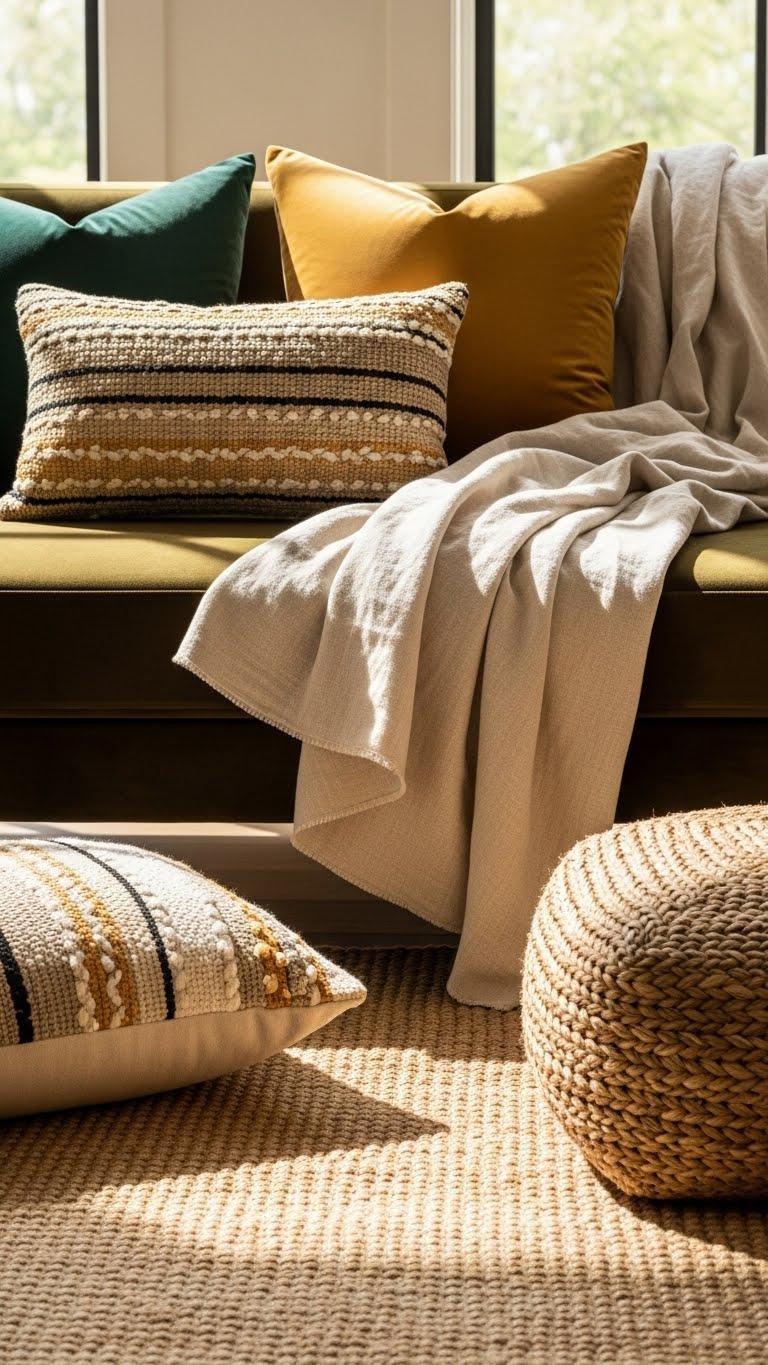
Build depth by combining velvet, linen, and woven fibers so each touchpoint reads intentional—velvet brings plush luxury, linen adds laid-back breathability, and woven materials introduce artisanal presence.
You’ll mix pile summit velvet with a linen layer and natural weave accents to balance luxe and ease.
Place tactile pillows, drape throws, and anchor with rugs so spaces feel curated, open, and free.
Curate a Gallery Wall of Collected Artwork and Prints
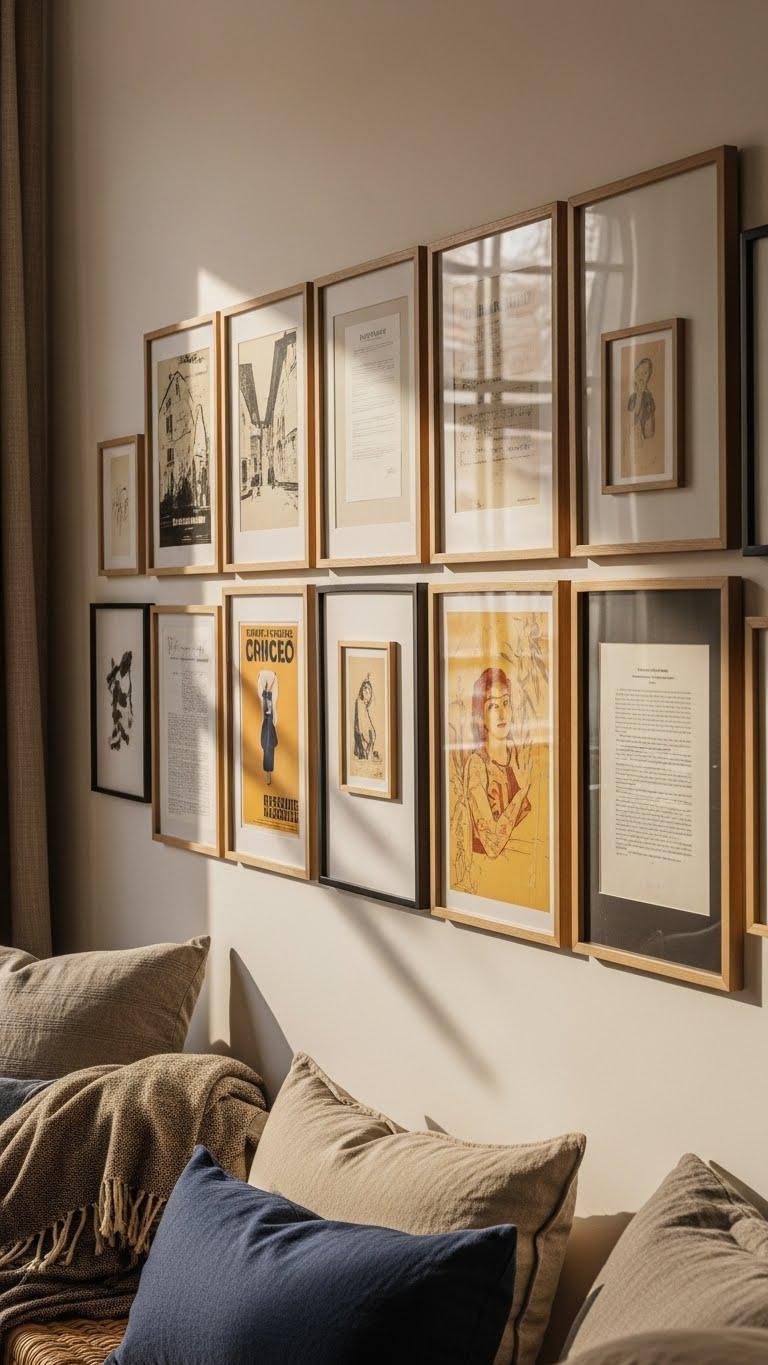
After layering tactile fabrics, bring the same thoughtful contrast to your walls by curating a gallery of collected artwork and prints that feels personal, edited, and visually balanced.
You’ll mix framed documents, posters, and small originals, arrange by scale and negative space, and set a rotation schedule so the display breathes.
Keep consistent frames and a loose grid to stay liberated, not chaotic.
Combine Vintage Finds With Modern Silhouettes
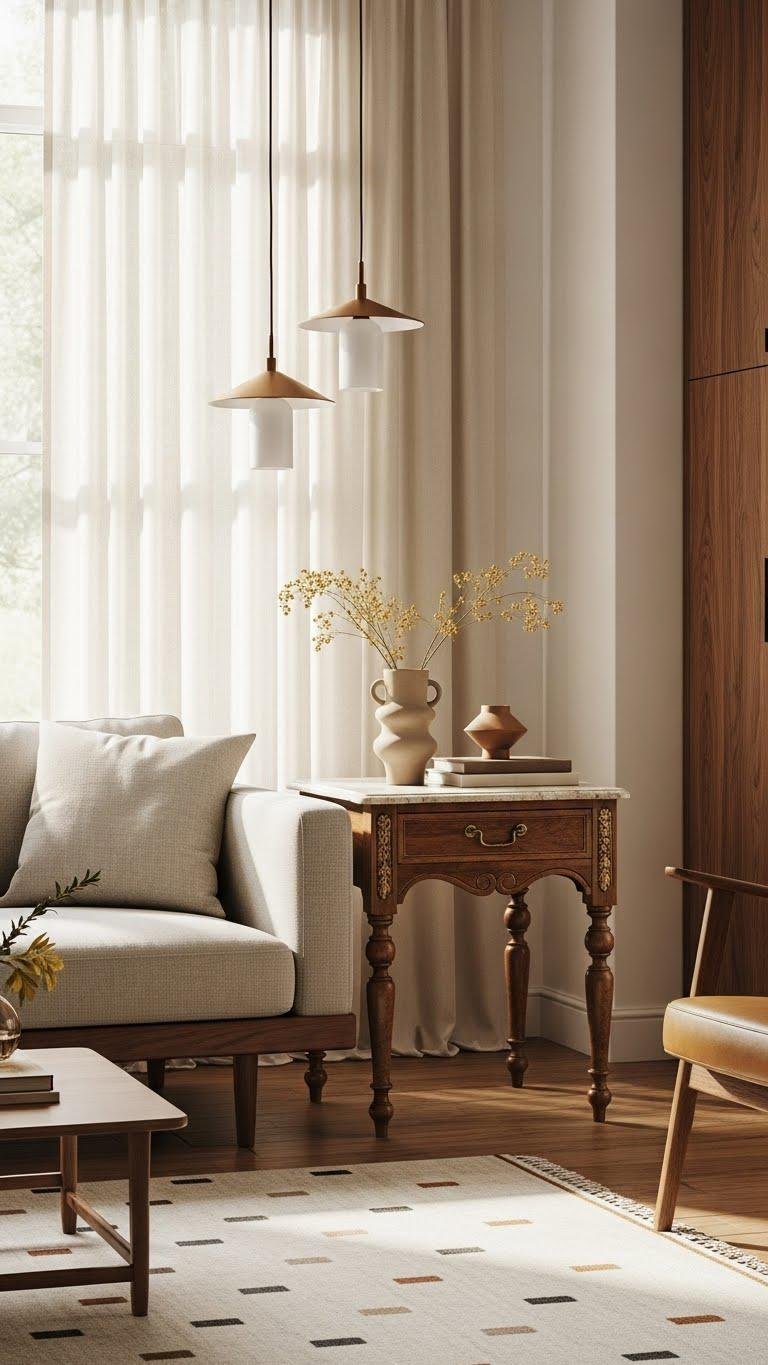
When you pair one-of-a-kind vintage pieces with clean, modern silhouettes, you create a layered look that feels curated rather than cluttered.
You’ll mix antique silhouettes—think turned legs or brass hardware—with streamlined sofas and minimalist lighting.
Make eclectic pairings intentional: limit scale contrasts, repeat a color or material, and let singular vintage treasures anchor the room so your space feels free, edited, and confident.
Use a Neutral Backdrop to Let Eclectic Pieces Pop
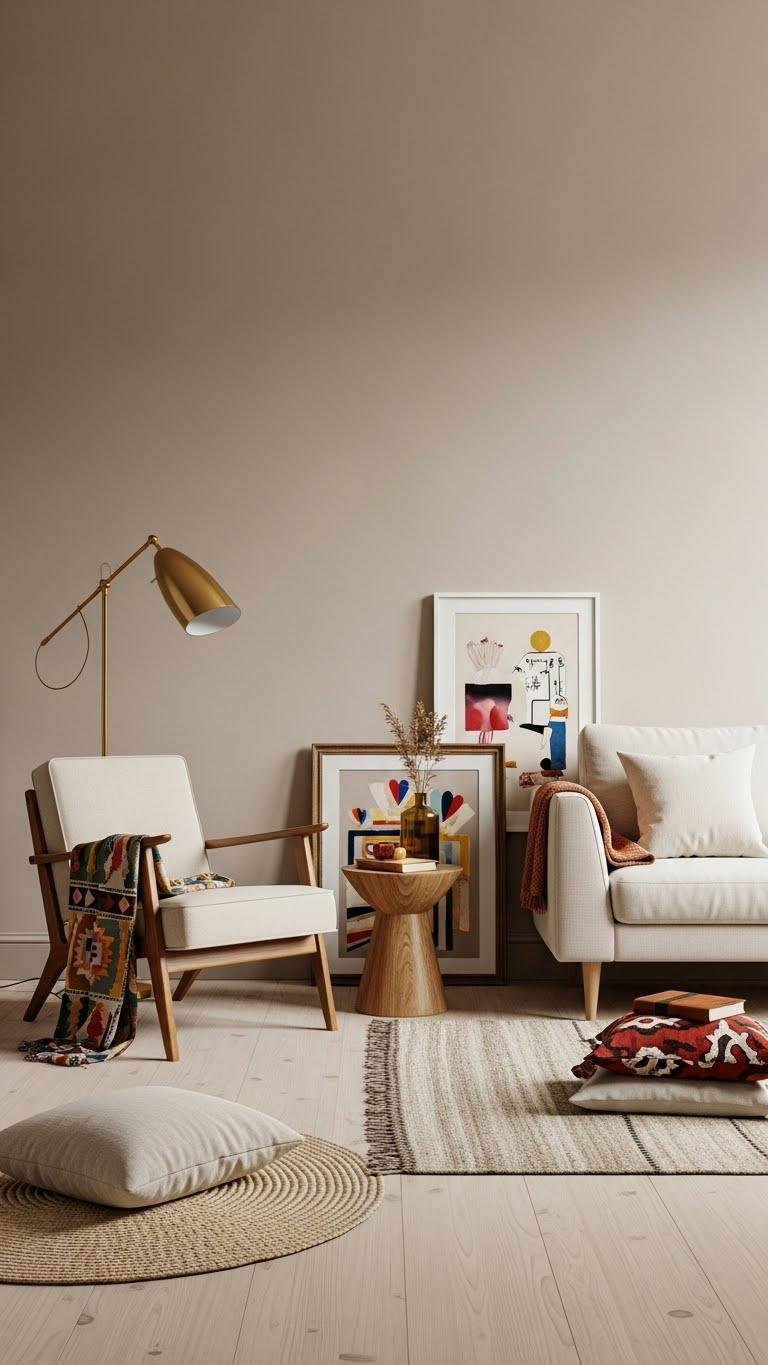
Against a calm, neutral backdrop your eclectic pieces can truly sing — muted walls, simple flooring, and restrained upholstery give vintage finds and bold accessories room to breathe.
You’ll choose textured neutrals to add depth without competing, arrange focal items deliberately, and use backdrop lighting to sculpt mood. This lets your mix feel intentional, airy, and free rather than chaotic.
Introduce Brass and Warm Metals for Cohesion
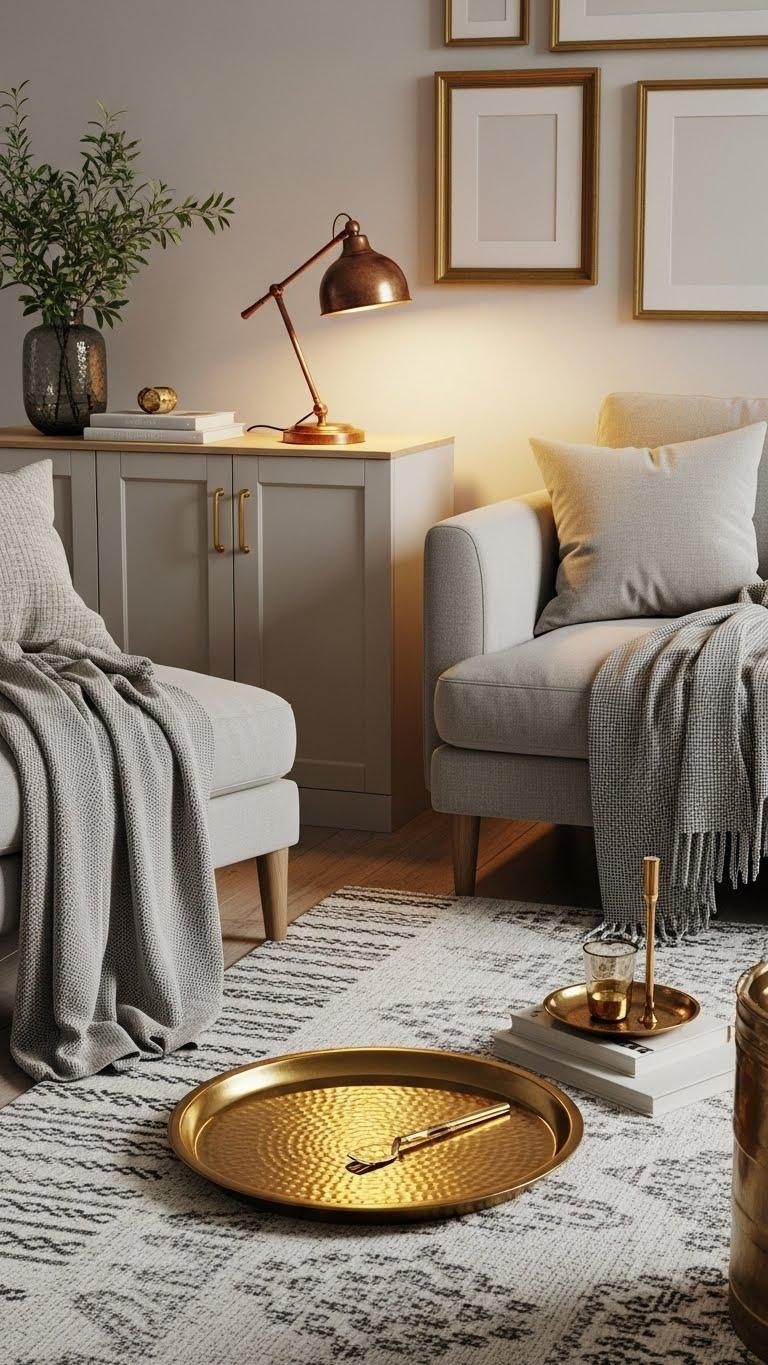
Introduce warm metals like brass, aged gold, and burnished copper to tie eclectic pieces together and lift a neutral palette without overpowering it. You’ll choose brass hardware and warm finishes to create visual rhythm; swap in hammered brass accents, an aged copper lamp, or muted gold frames. These touches feel intentional, free, and cohesive, anchoring variety without clutter.
Balance Busy Patterns With Solid, Scaled Pieces
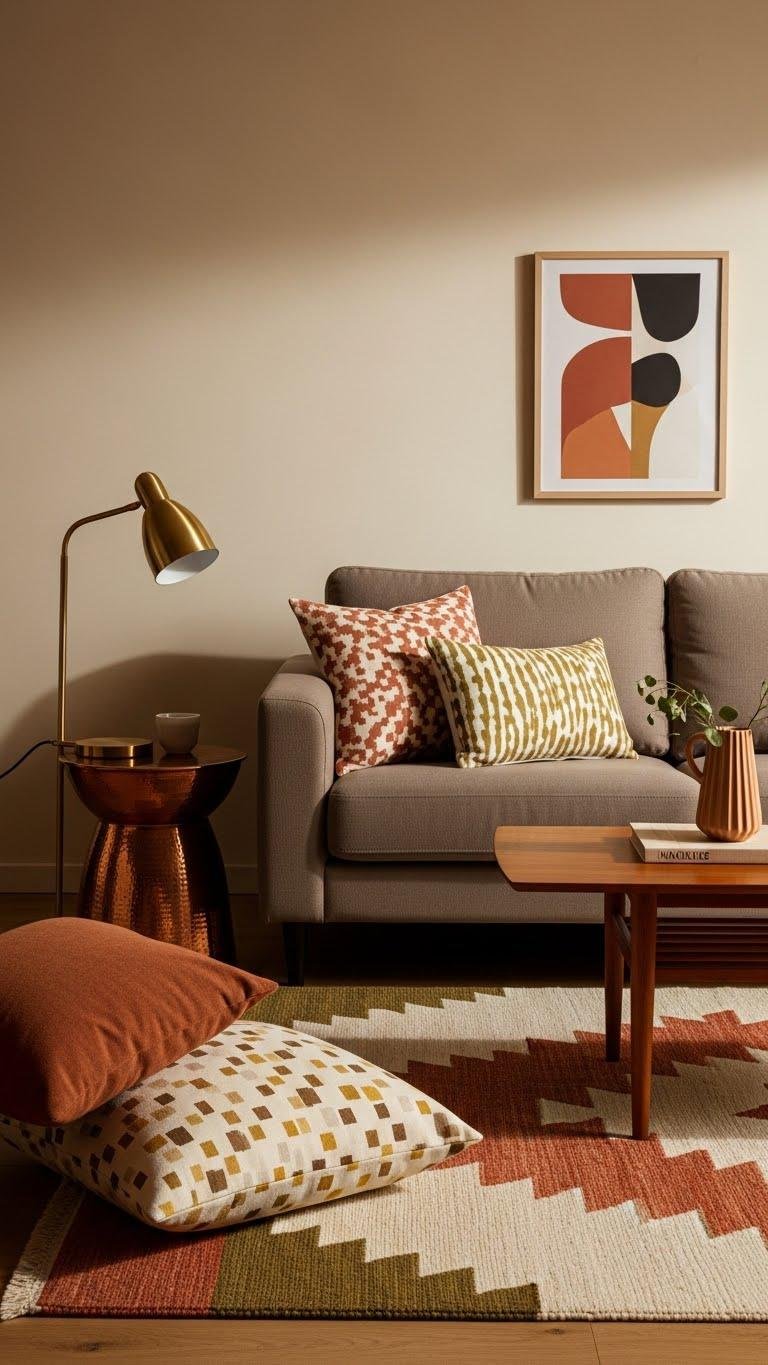
After anchoring a room with warm metals, you’ll want to calm the visual noise that busy patterns create by pairing them with solid, scaled pieces. You’ll use scale contrast deliberately: large solids soothe small prints, while mid-scale furniture anchors bold rugs. Practice pattern restraint—limit motifs, pick a unifying color, and let generous solid shapes give you the freedom to layer without chaos.
Incorporate Hand-Thrown Pottery and Artisan Objects
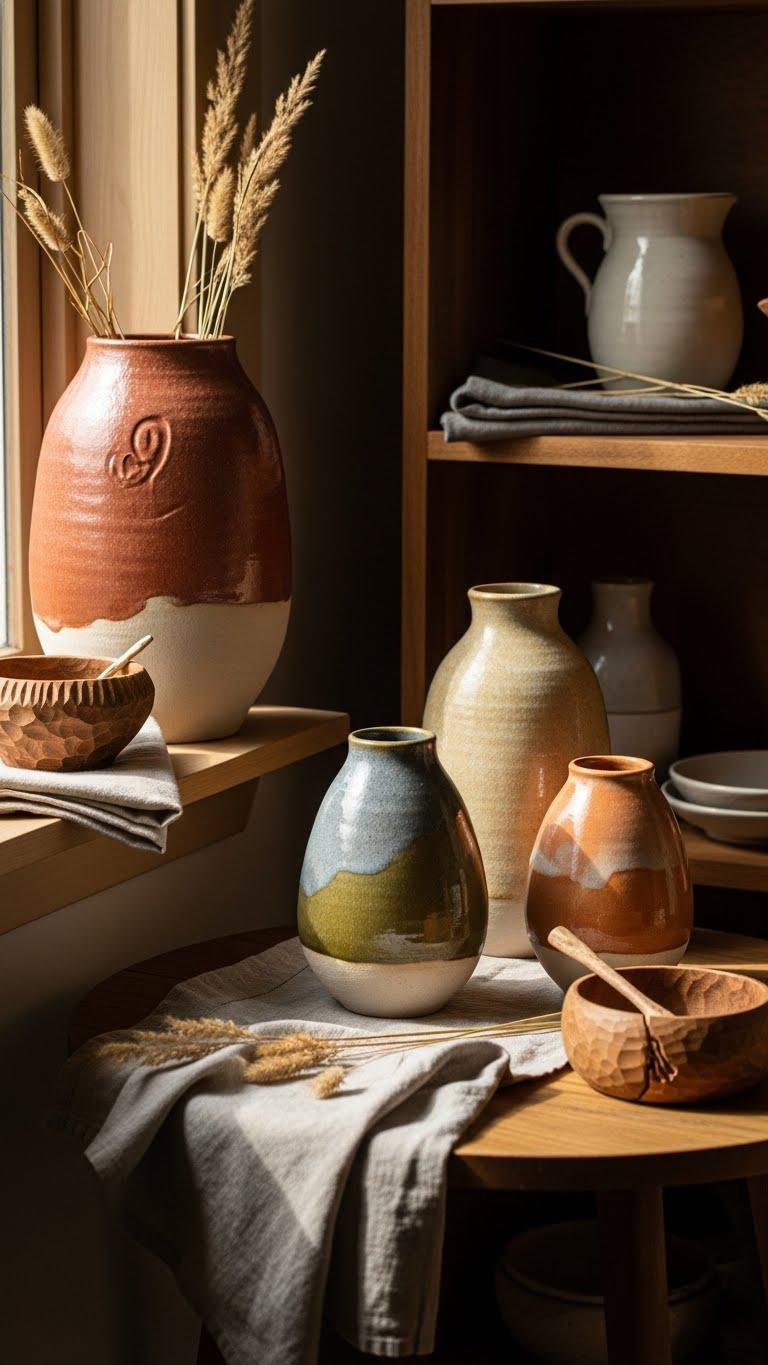
Bring hand-thrown pottery and artisan objects into your space to add warmth, texture, and an unmistakable human touch.
You’ll mix pieces from local claymakers with found objects, letting irregular shapes and tactile glazing anchor shelves, tables, and nooks. Curate sparingly: one statement vessel or a trio of varied sizes gives freedom without clutter, proving craftsmanship elevates casual, collected interiors.
Play With High-Contrast Accent Colors Sparingly
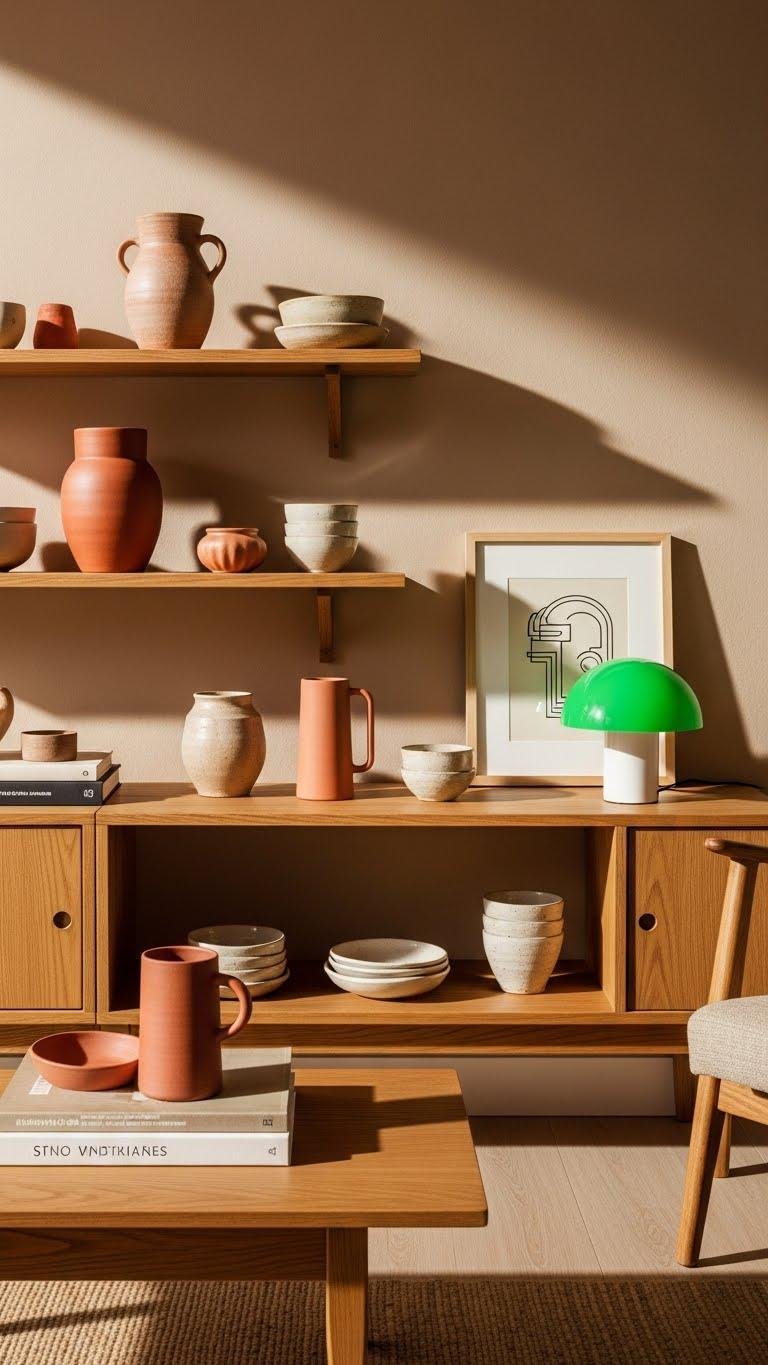
Hand-thrown pottery and artisan objects set a warm, tactile foundation—now use color sparingly to punctuate that warmth with high-contrast accents. You’ll choose neon accents as a deliberate, rebellious note—think a single lamp or framed print—while keeping Minimal pops elsewhere.
Resist overdoing it: one bold hue per room lets your pieces breathe, reads modern, and keeps the space feeling free and intentional.
Create Vignettes on Shelves to Showcase Collections
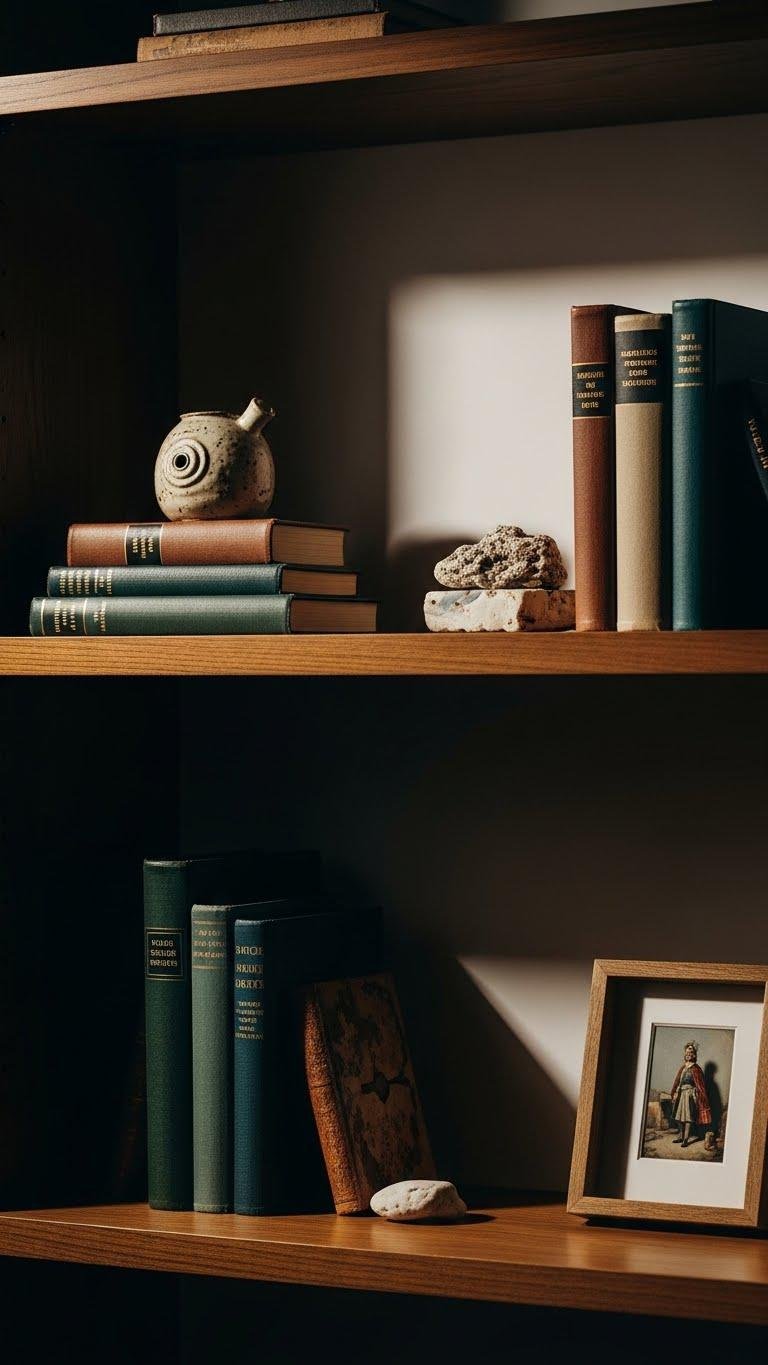
Layer collections into small, intentional vignettes on shelves so each object reads clearly and feels curated. You’ll craft mini museums that celebrate oddities, books, and found pieces without chaos. Group by scale, color, or story, and plan theme rotations to keep displays fresh. Edit ruthlessly, leave breathing room, and trust your eye — freedom here is deliberate, not random.
Add Patterned Rugs to Ground Diverse Seating
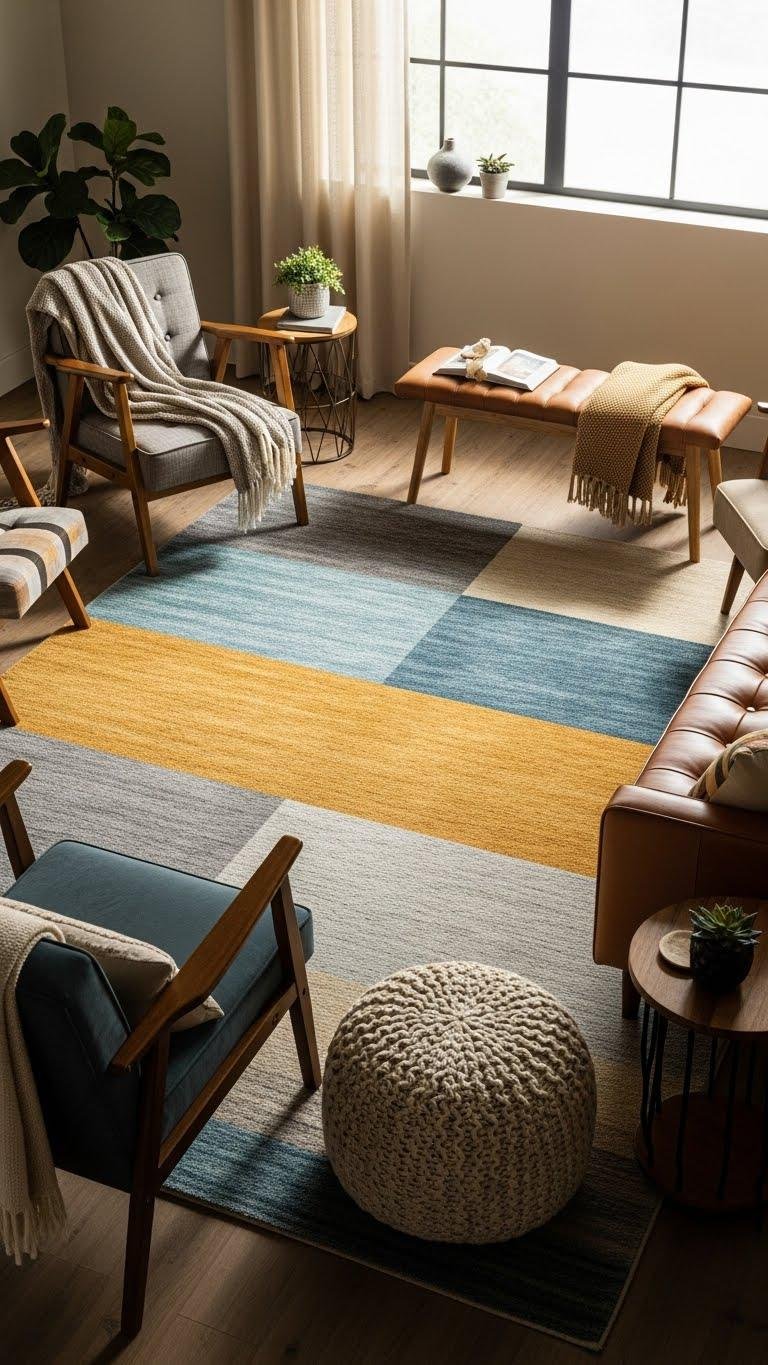
After you’ve curated small shelf vignettes, anchor the seating area with a patterned rug to tie disparate chairs and sofas into a cohesive scene. Choose a rug that introduces layered textures and deliberate tonal contrast to unify color stories and materials. You’ll create freedom in the layout while keeping it intentional — let pattern define zones, calm visual clutter, and invite relaxed conversation.
Use Statement Lighting to Anchor the Design
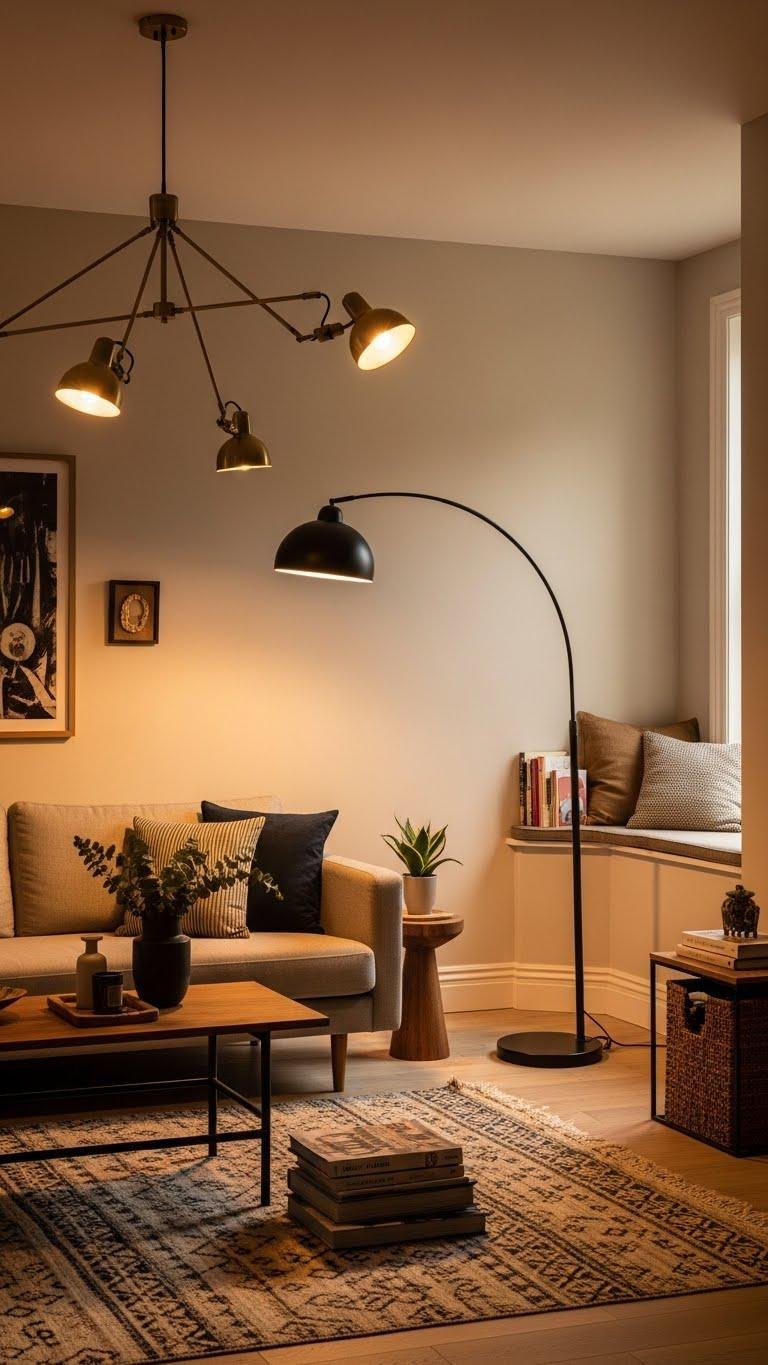
Often a single bold fixture will do more to define a room than an army of accessories, so choose lighting that stakes a clear visual claim and organizes the space.
You’ll pick adjustable pendants to shift mood and sightlines, and a sculptural floorlamp to anchor a cozy corner. Let scale, finish, and placement create rhythm so your eclectic mix feels intentional, not chaotic.
Bring in Natural Materials: Wood, Rattan, and Stone
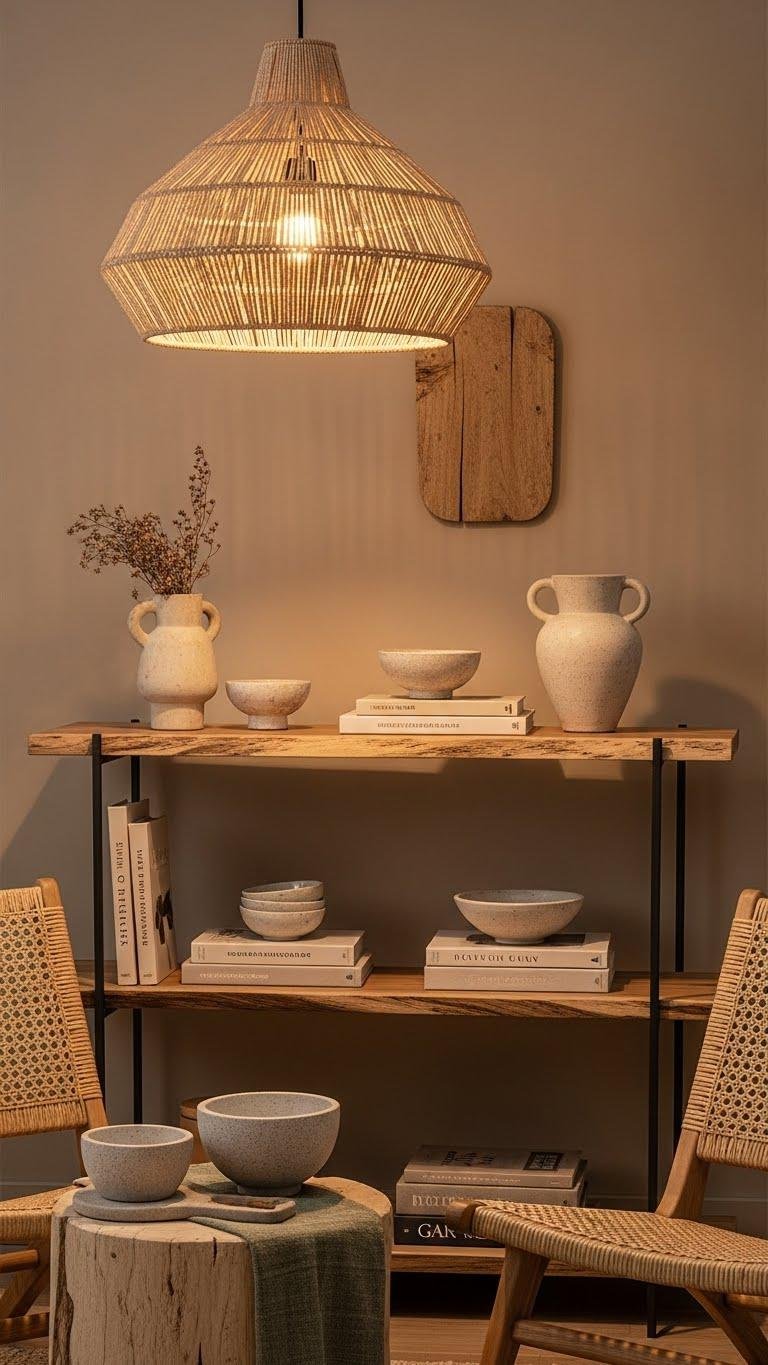
When you bring wood, rattan, and stone into a room, they instantly ground an eclectic mix and add tactile warmth that feels both curated and lived-in.
You’ll choose a sisal pendant, woven chairs, and a live edge shelf to anchor collections without clutter.
Mix matte stone accents and raw wood tones, keep lines simple, and let natural texture set a liberated, cohesive mood.
Layer Throw Pillows With Different Textures and Scales

Layer throw pillows of varying textures and scales to give your seating instant depth and personality—pair a large, boucle lumbar with a medium woven ikat and a small leather or embroidered square so each piece reads clearly from across the room. Mix velvet, linen, and nubby weaves for texture contrast while keeping scale harmony. Trust instincts, edit ruthlessly, and let the arrangement feel effortlessly free.
Edit Collections by Color or Theme for Visual Calm

Because your eye tires of visual clutter, edit collections by color or theme to create instant calm—group similar hues together, pare down competing patterns, and let a restrained palette breathe. You’ll curate monochrome shelfscapes or a single-themed vignette, removing items that fight for attention.
Trust selective restraint; it gives your eclectic mix purpose, makes pieces sing, and frees you to live creatively.
Repurpose Vintage Furniture With Bold Paint Finishes
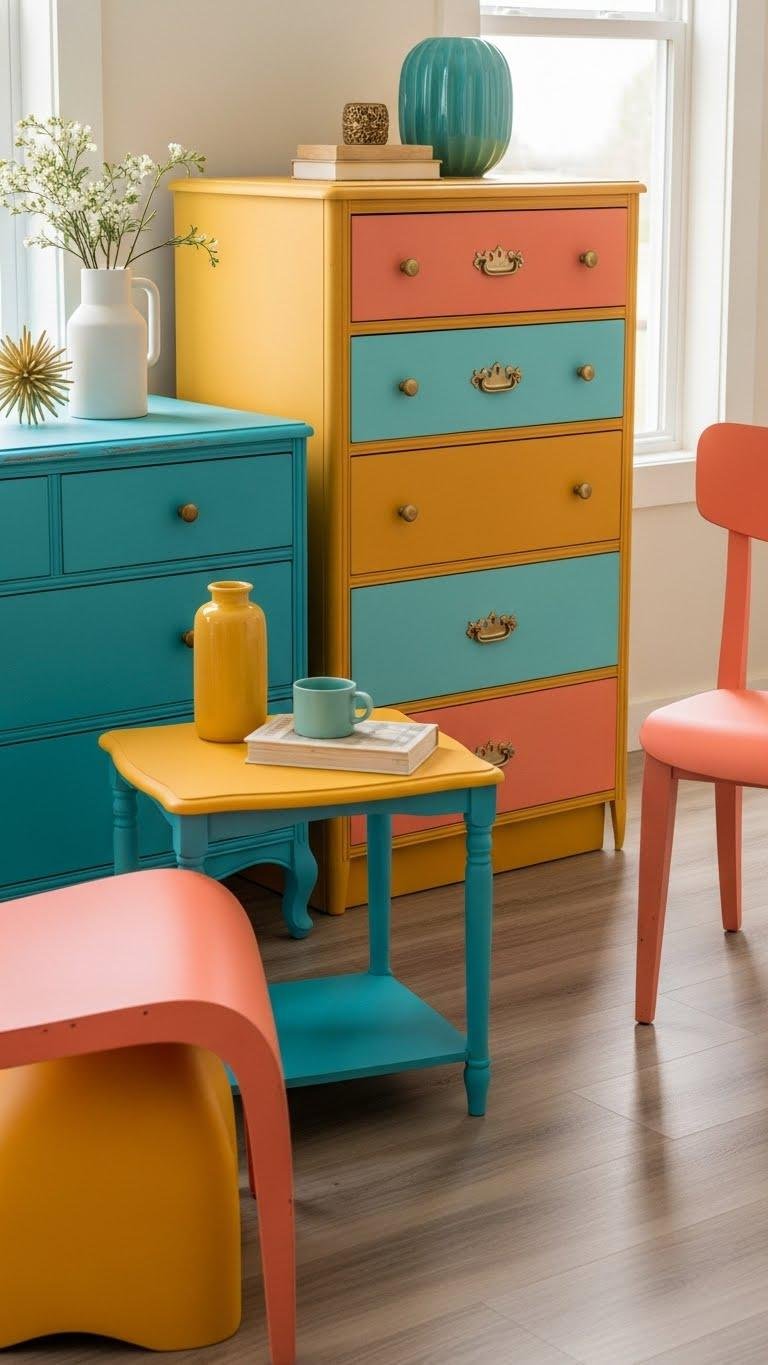
Once you’ve pared collections to a calm core, repurposing vintage furniture with bold paint brings curated restraint into playful focus.
You’ll revive a dresser, side table, or chair using chalk paint or milk paint for matte, tactile depth. Choose saturated hues, crisp hardware swaps, and selective distressing.
The result feels intentional, free, and modern — a statement that’s edited, not chaotic.
Introduce Unexpected Textures on Walls and Ceilings
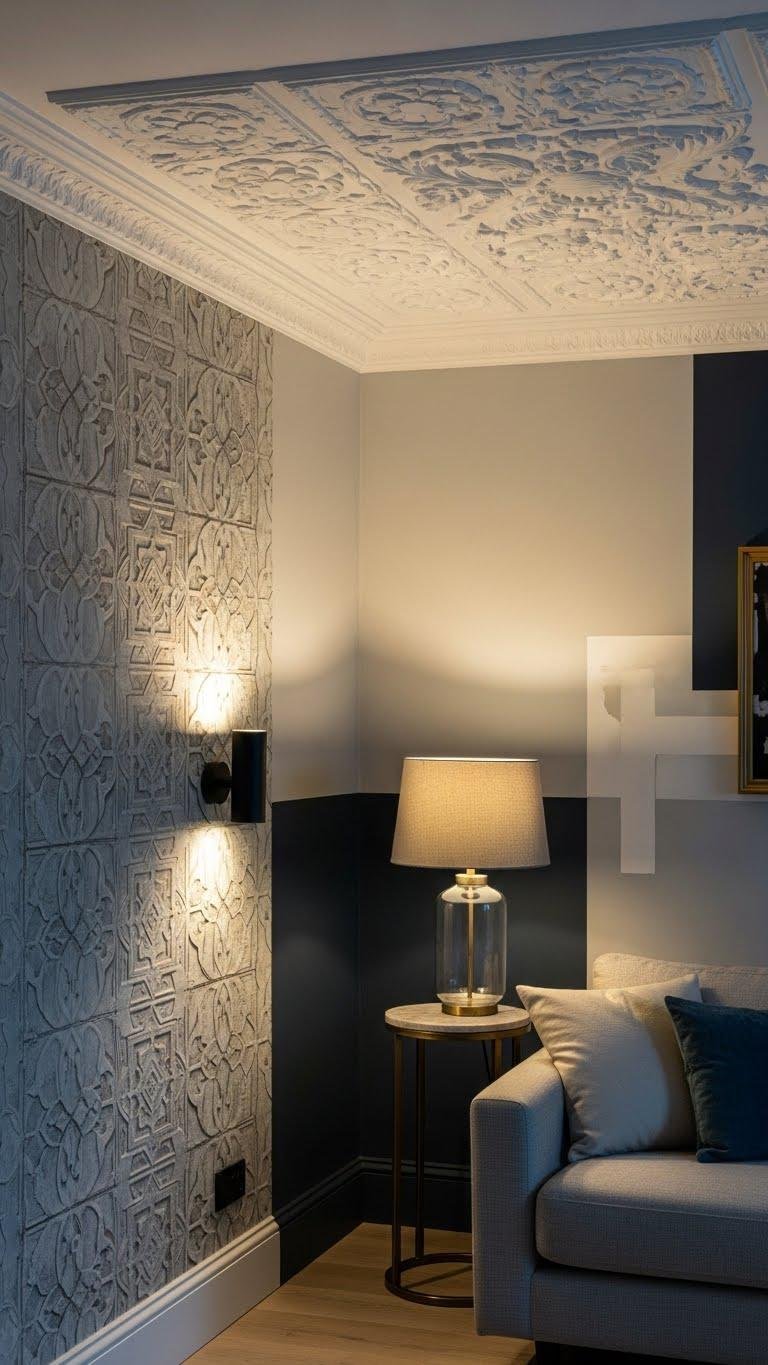
By introducing unexpected textures on walls and ceilings, you’ll turn blank planes into deliberate, tactile statements that lift an eclectic room beyond painted surfaces.
Choose tactile wallpaper for bold pattern depth, or commission plaster reliefs to sculpt light and shadow.
Mix matte and glossy finishes, keep colors controlled, and let texture act as curated punctuation—liberating your space without cluttering it.
Use Mirrors to Expand Space and Reflect Color
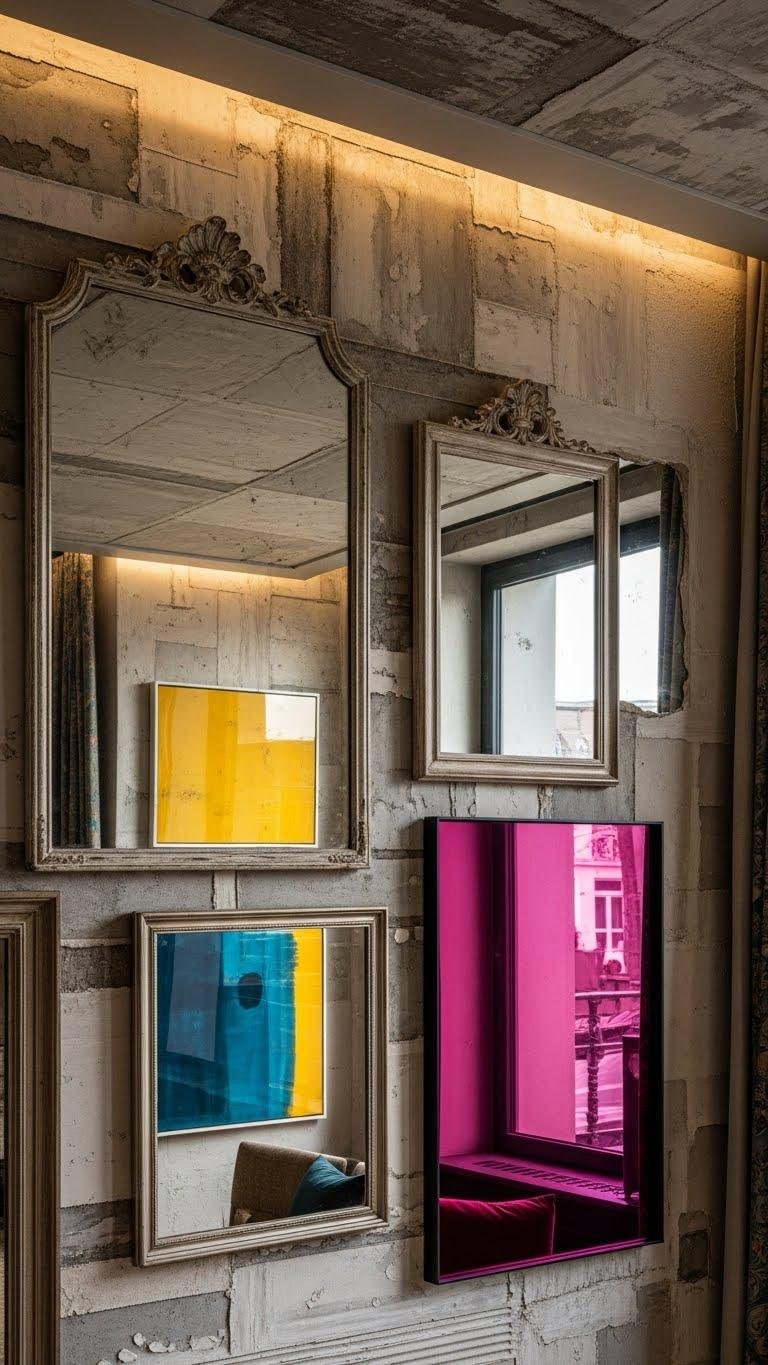
After you’ve layered texture to give walls and ceilings a tactile identity, bring mirrors in to amplify that work and broaden the room’s presence. You’ll place Antique Mirrors to add history and unexpected scale, and orient contemporary frames to catch Colored Reflections from art or textiles.
Use them strategically to expand sightlines, boost light, and let your style feel open, intentional, and free.
Designate Zones With Area Rugs and Furniture Groupings
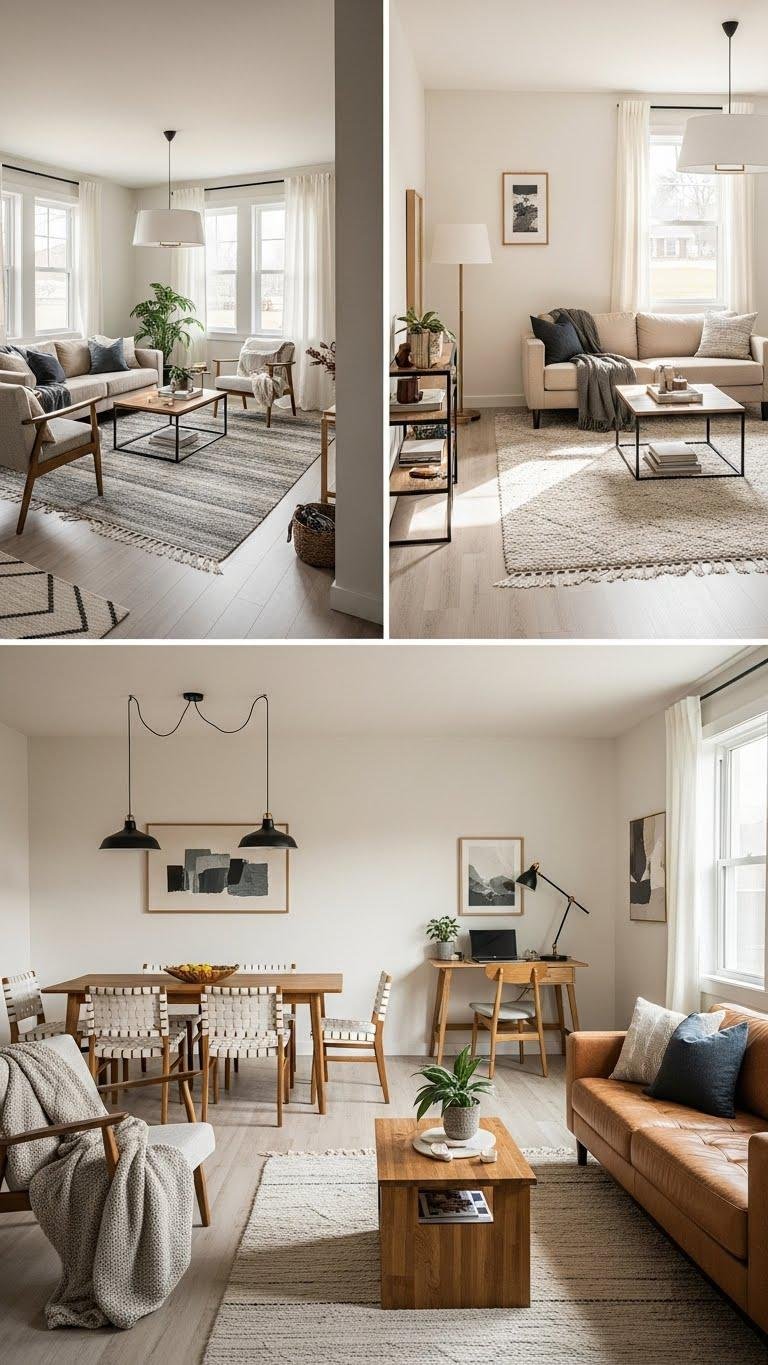
In open or multi-use spaces, anchor each area with an appropriately scaled rug and intentional furniture grouping so you can define function without building walls.
You’ll create clear conversational, dining, and work zones that respect traffic flow and encourage movement.
Layer zoned lighting to set mood and purpose.
Choose scale, texture, and spacing confidently so each mini-room feels curated, open, and free.
Add Greenery in Sculptural Planters for Freshness

Often a single sculptural planter can shift a room’s energy, bringing life, scale, and personality without cluttering the layout.
You’ll choose sculptural planters that act like art — tall, curved, or geometric — and pair them with air purifying plants for cleaner air and calm. Place one or two strategically to liberate corners, anchor seating, and keep your space open yet intentional.
Use Repetition of Shape or Color to Create Rhythm
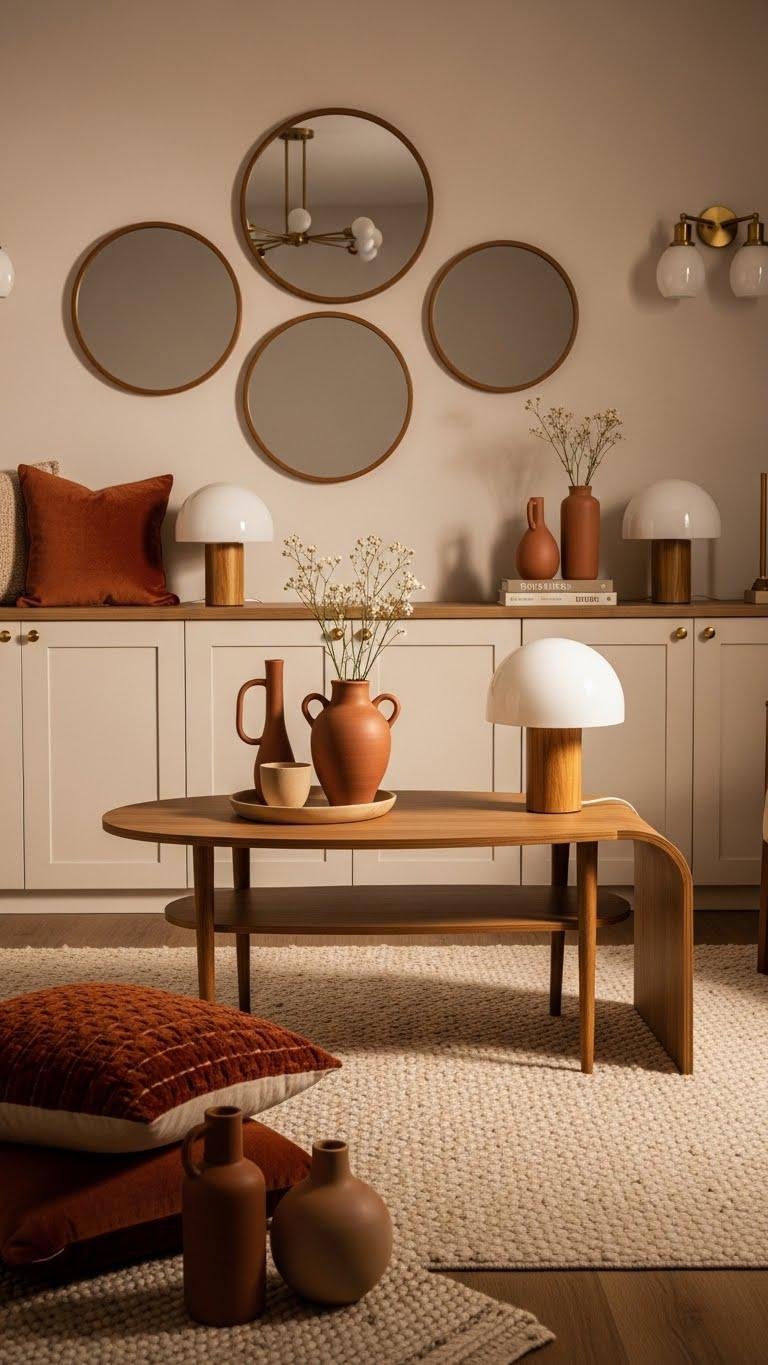
Frequently, you’ll get the biggest visual payoff by repeating a single shape or color across a room—think a trio of rounded mirrors, a series of brass knobs, or the same rust tone in pillows, vases, and a rug—so your eye moves with purpose and the space reads as intentional. Use shape echoing and color rhythm to guide sightlines, amplify personality, and make choices feel fearless yet cohesive.
Maintain Negative Space to Keep the Room Feeling Airy
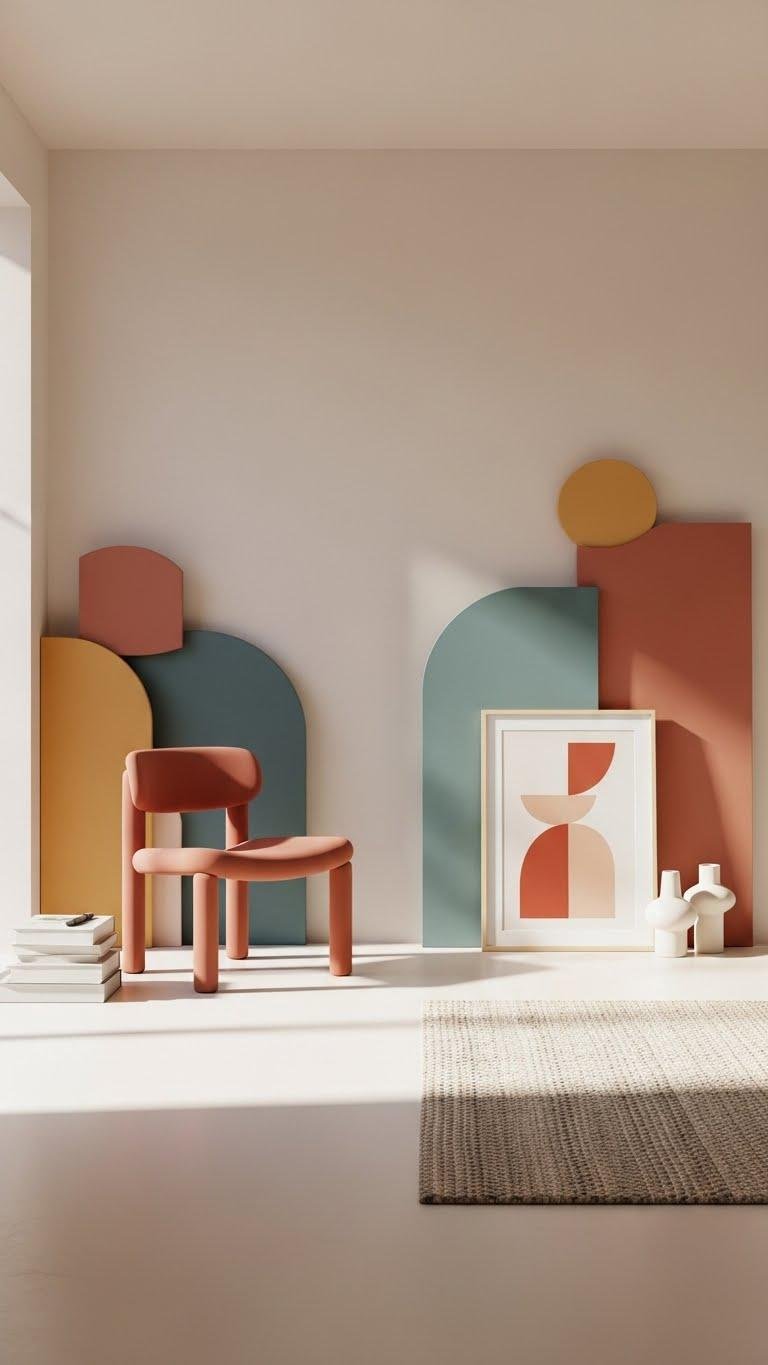
Repeating shapes and colors gives a room rhythm, but you also need breathing room so those cues don’t overwhelm the eye. Keep negative space intentional: let empty corners and pared-back surfaces offer visual breathing.
You’ll curate pieces that sing without crowding. Choose focal items, edit ruthlessly, and respect open planes so your eclectic mix reads as freedom, not clutter.