
You’ll want your home to feel calm, tactile, and quietly curated, so start with a muted, earthy palette and few well-made pieces. Choose raw wood, stone-washed linens, terracotta, and woven textures; edit surfaces to a couple sculptural objects and layered rugs. I’ll walk you through 27 simple moves that make rooms feel warm and intentional—each small, easy to try, and ready to change how your space invites you.
Embrace a Neutral Earthy Palette
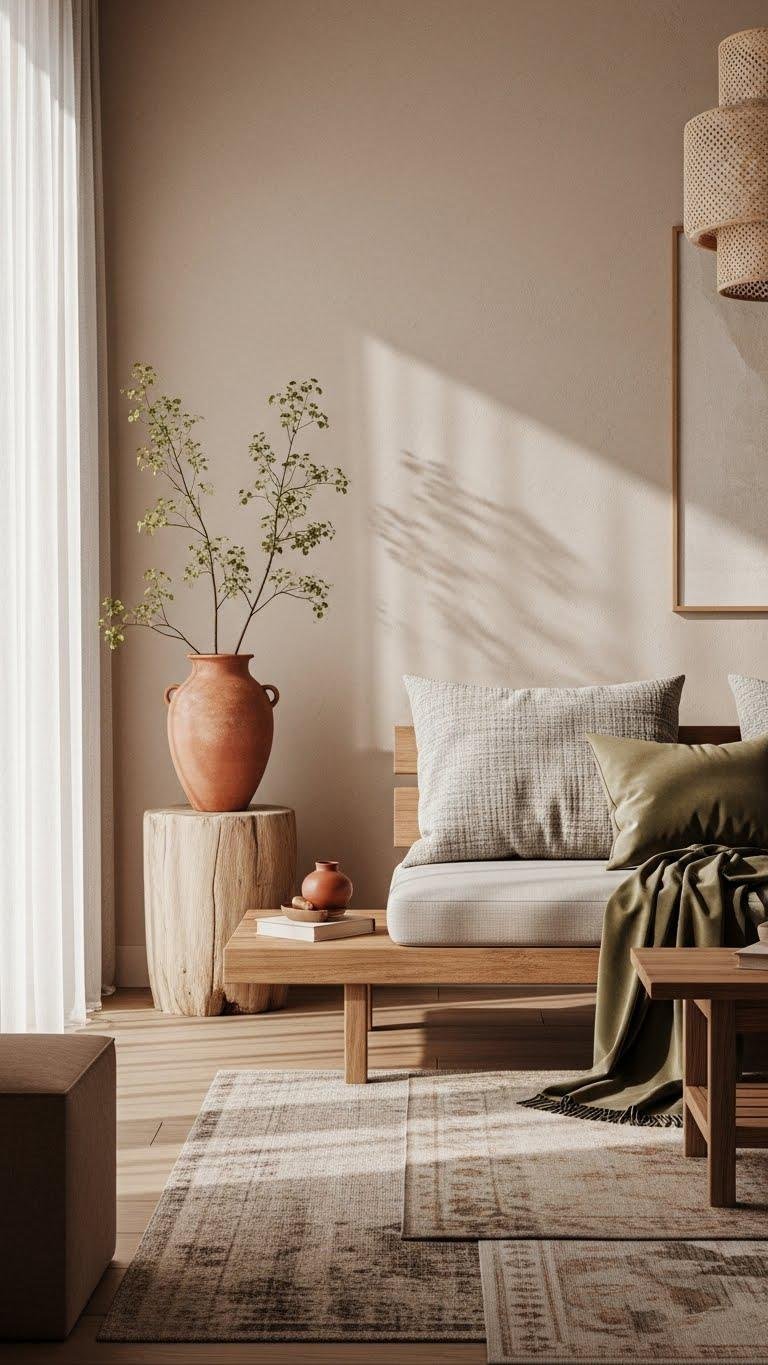
When you choose a neutral, earthy palette, you create a calm, cohesive backdrop that makes furniture and texture stand out; think warm beiges, soft terracottas, muted olives, and natural wood tones.
You’ll use earthy neutrals and tonal layering to build depth without clutter. Keep lines clean, accents minimal, and let light and texture do the expressive work so your space feels open and intentional.
Choose Raw Wood Furniture
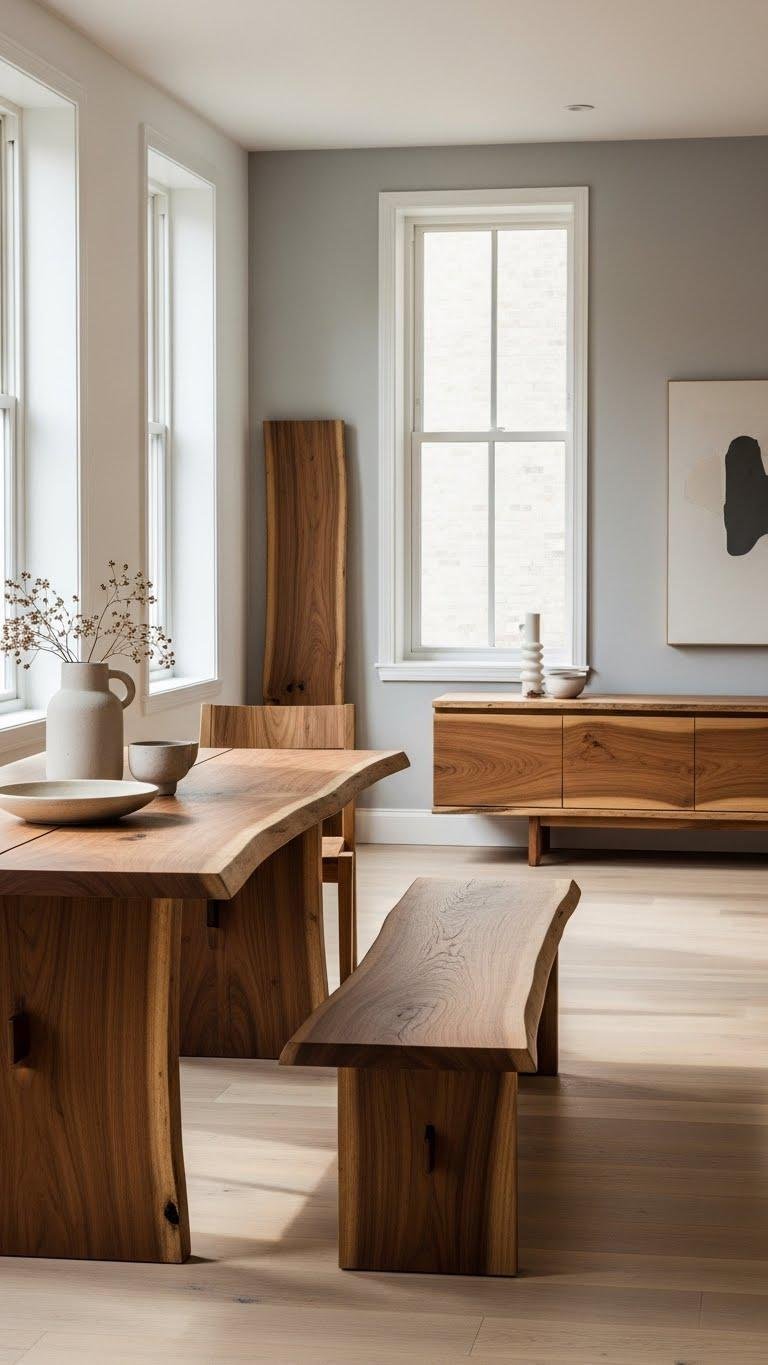
A few well-chosen pieces of raw wood furniture instantly ground a minimalist room, bringing warmth, texture, and honest craftsmanship into your neutral palette. Choose slabs with live grain and unfinished edges that celebrate imperfection. You’ll prefer simple silhouettes that feel open, durable, and free — functional anchors that age gracefully, invite tactile connection, and keep your space uncluttered and intentionally calm.
Add a Sculptural Accent Chair

Choose a sculptural accent chair that reads like art and anchors the room — think a single, thoughtfully curved silhouette in matte wood, molded plywood, or smooth leather that contrasts the soft textiles without shouting. You’ll pick a piece with artisan upholstery and a clean geometric silhouette, letting form and texture offer quiet drama. It frees the space, invites lounging, and defines your intent.
Use Soft, Warm Lighting
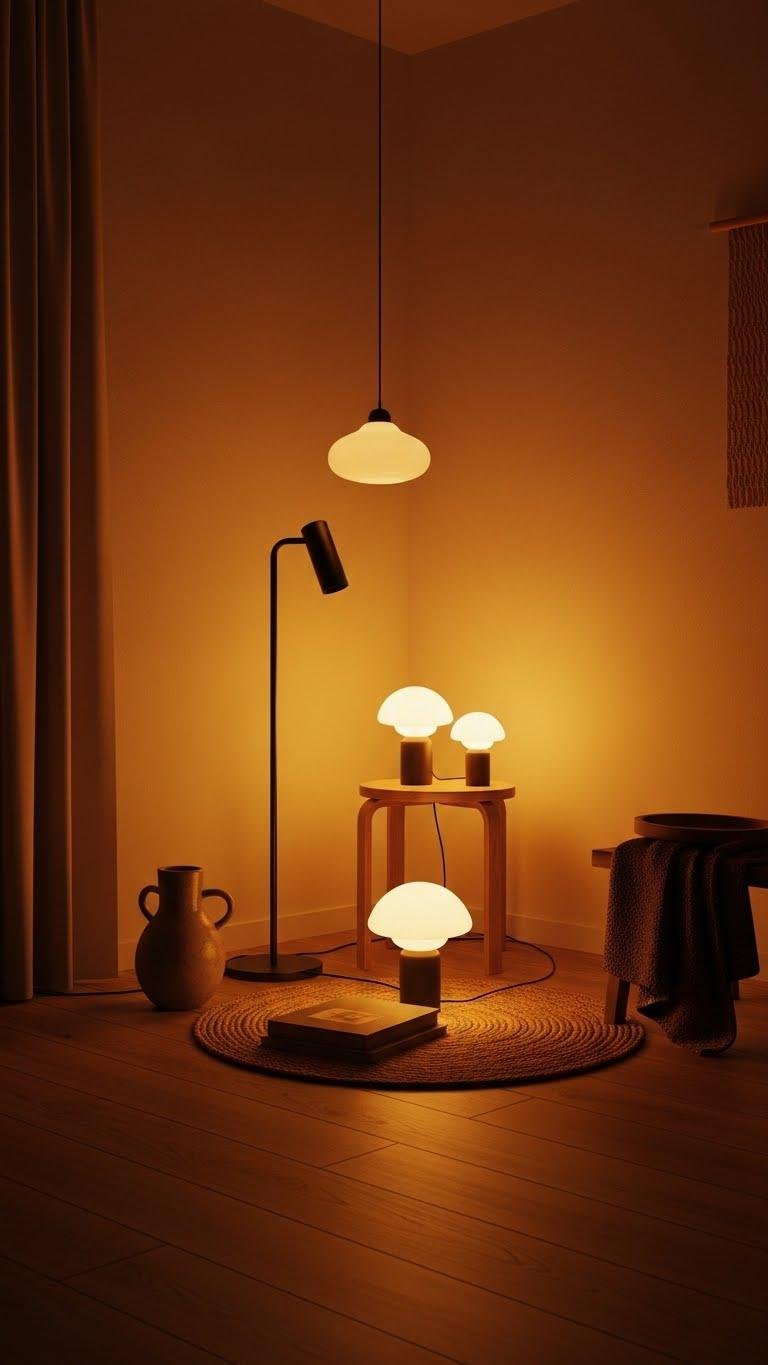
Often you’ll rely on warm, diffused light to turn a minimalist space from clinical to cozy; soft amber tones flatter wood, ceramics, and textiles while keeping contrast low and the mood intimate. Choose amber bulbs and soft dimming fixtures so you control atmosphere; layer a pendant, a floor lamp, and low-watt table lights. Light becomes purposeful, calm, and effortlessly freeing.
Incorporate Woven Baskets for Storage
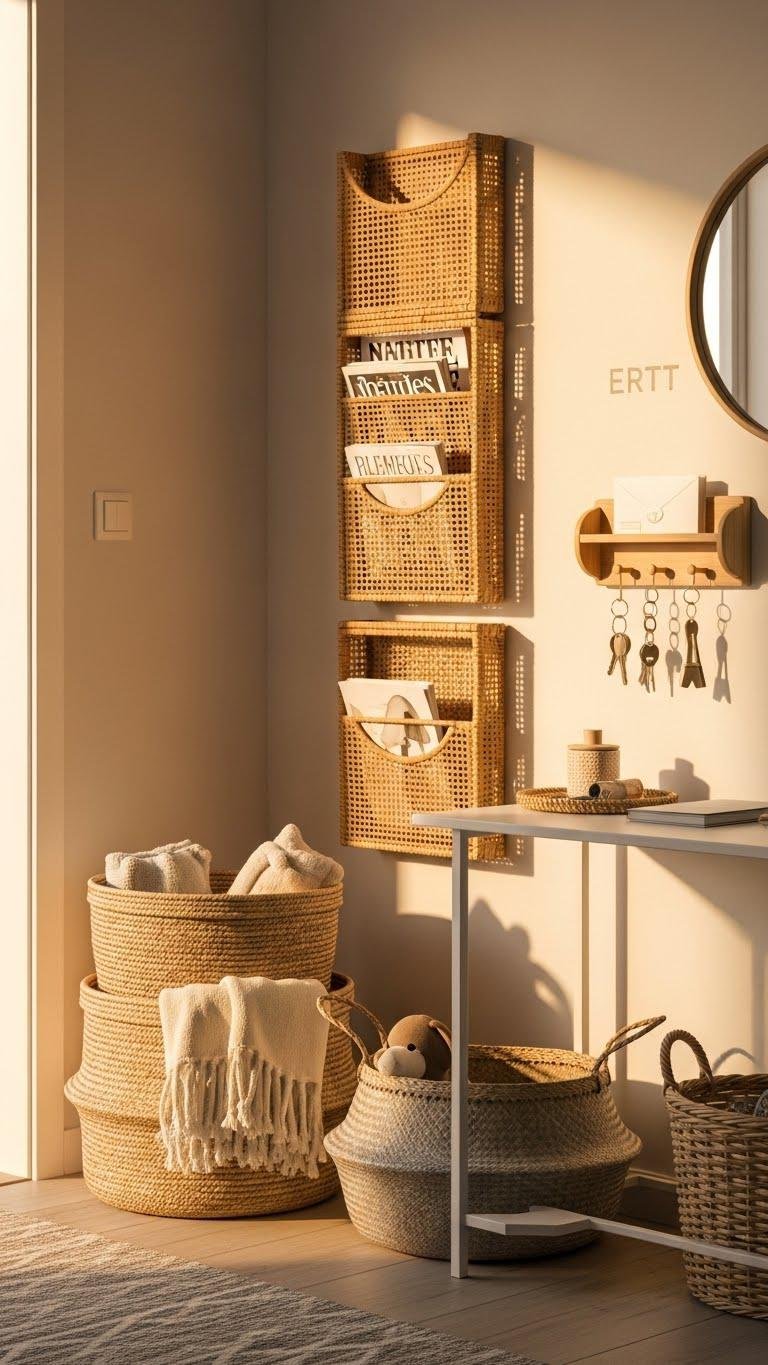
After layering warm, diffused light, bring in woven baskets to add texture and quiet function— they catch stray throws, magazines, and toys without cluttering sightlines. You’ll use wall baskets for vertical storage, freeing floors and visual space. Tuck entry catchalls near the door for keys and mail, pick neutral hues and organic shapes, and let calm utility feel deliberate and unburdened.
Style Open Shelves With Intentional Objects
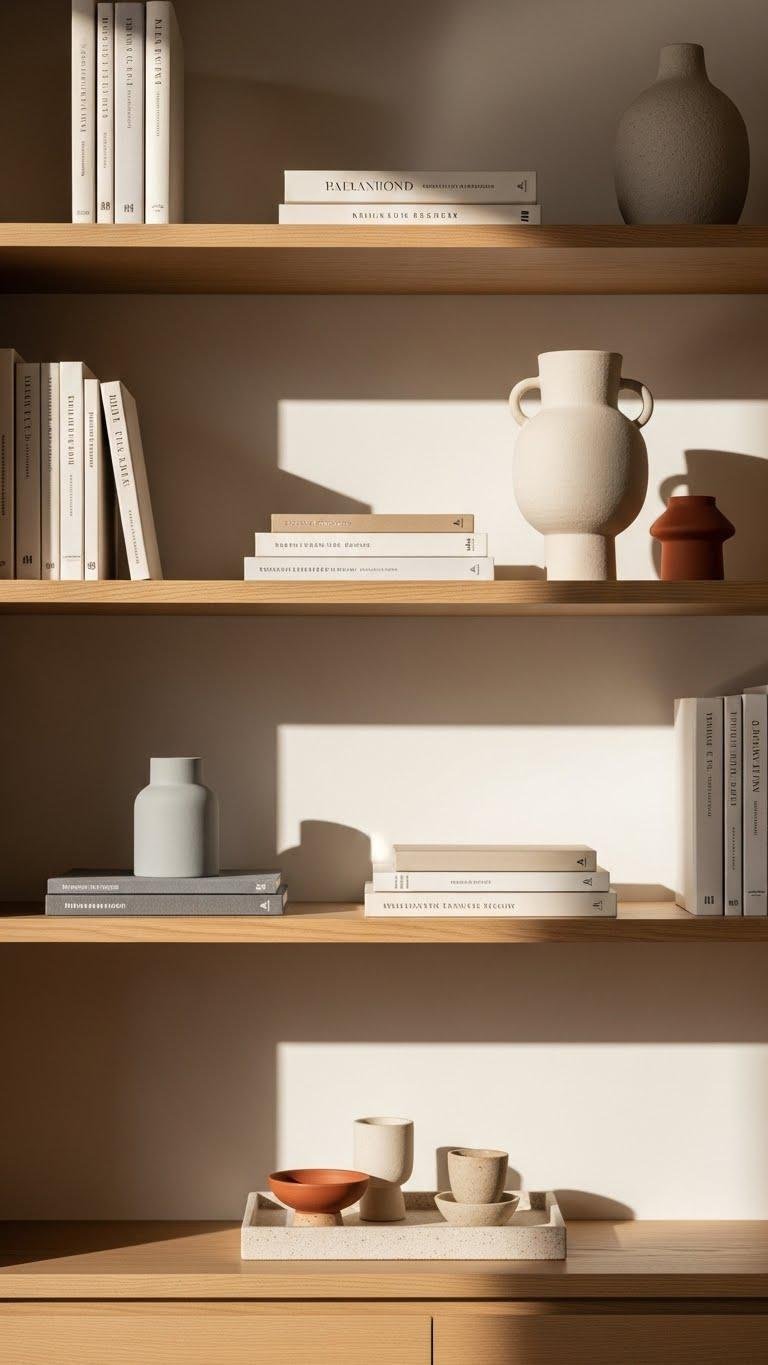
Pull together a few carefully chosen objects to style open shelves so each piece reads like it belongs rather than looks staged.
You’ll balance books, a sculptural vase, and a curated tray with neutral spacing so sightlines breathe.
Rotate elements for seasonal styling, keeping colors muted and textures varied.
Edit often; let emptiness feel intentional and free, not unfinished.
Introduce Terracotta and Ochre Accents
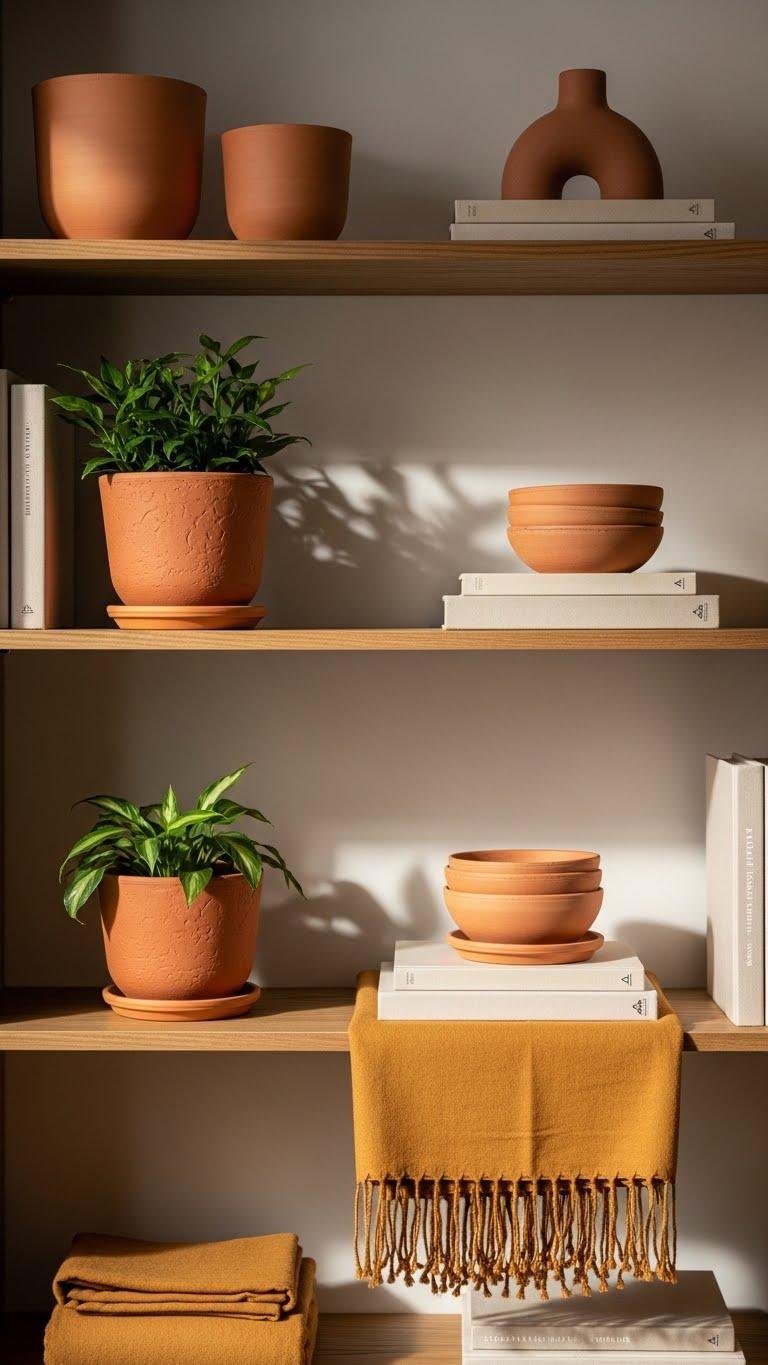
Warm the palette with terracotta and ochre accents to give minimalist shelving an inviting, grounded edge. You’ll place terracotta planters among books and ceramics, letting warm clay contrast clean lines. Add ochre textiles — a folded throw or runner — to punctuate neutral surfaces. Keep shapes simple, scale balanced, and negative space generous so the warmth feels deliberate, not cluttered.
Opt for Multifunctional Furniture
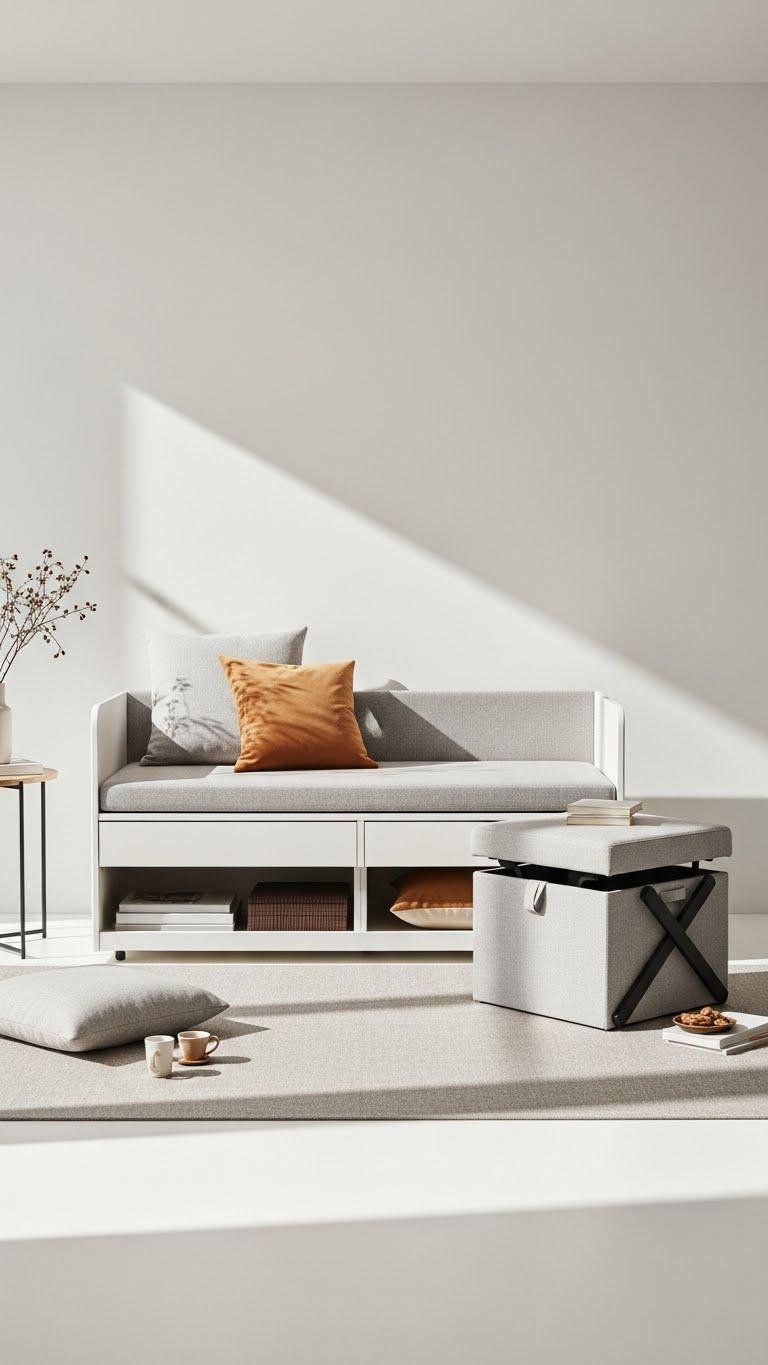
Choose furniture that does double duty to keep a minimalist home flexible and uncluttered. You’ll pick pieces like a folding ottoman for hidden storage and quick extra seating, or a sleek sleeper bench that shifts from day lounge to guest bed. Prioritize clean lines, neutral tones, and lightweight forms so your space breathes, adapts, and feels effortlessly free.
Bring in Lush Greenery and Plant Stands
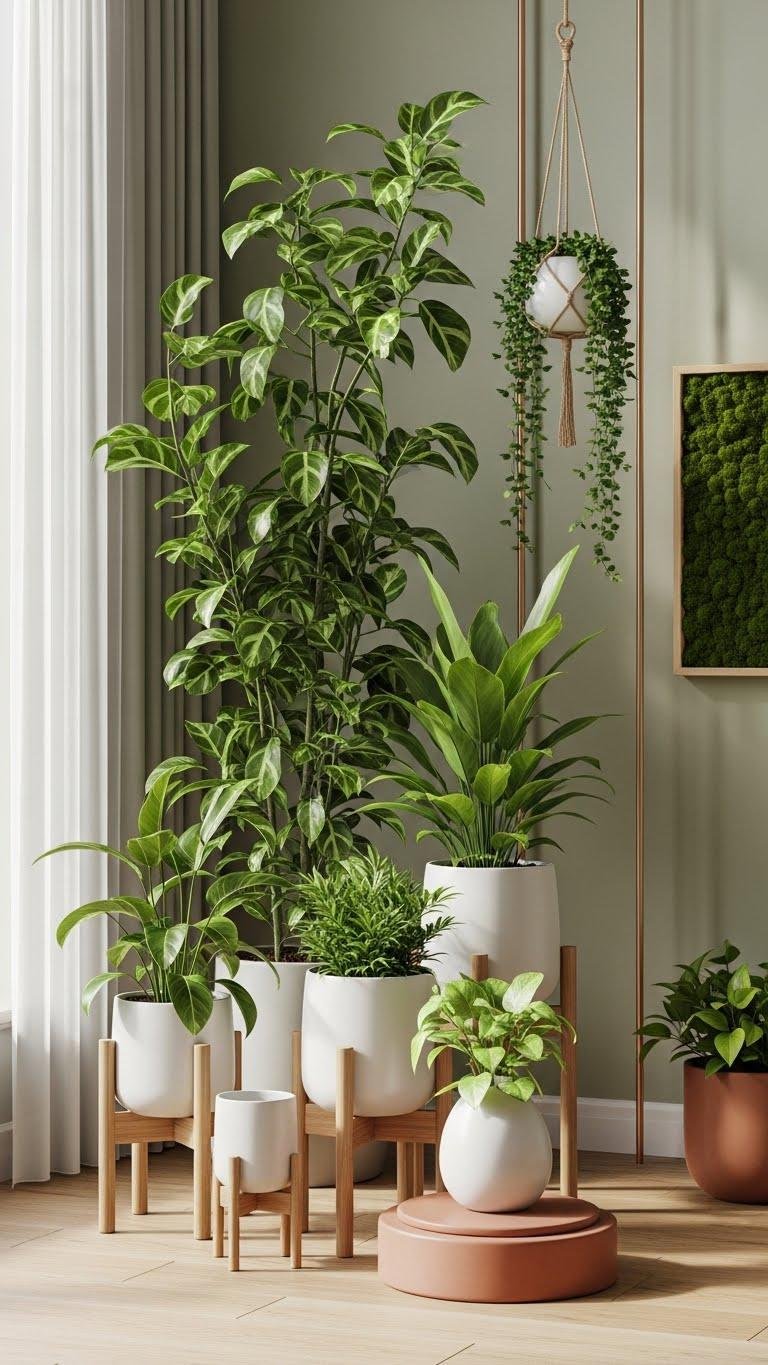
Often, you’ll find a single tall plant or a cluster of pots can instantly lift a minimalist room—adding texture, color, and life without clutter. You’ll use plant stands to create height, groupings for rhythm, hanging planters for vertical interest, and a restrained moss walls accent for softness. Keep containers simple, let light guide placement, and enjoy a calm, liberated green corner.
Select Curved, Organic Shapes
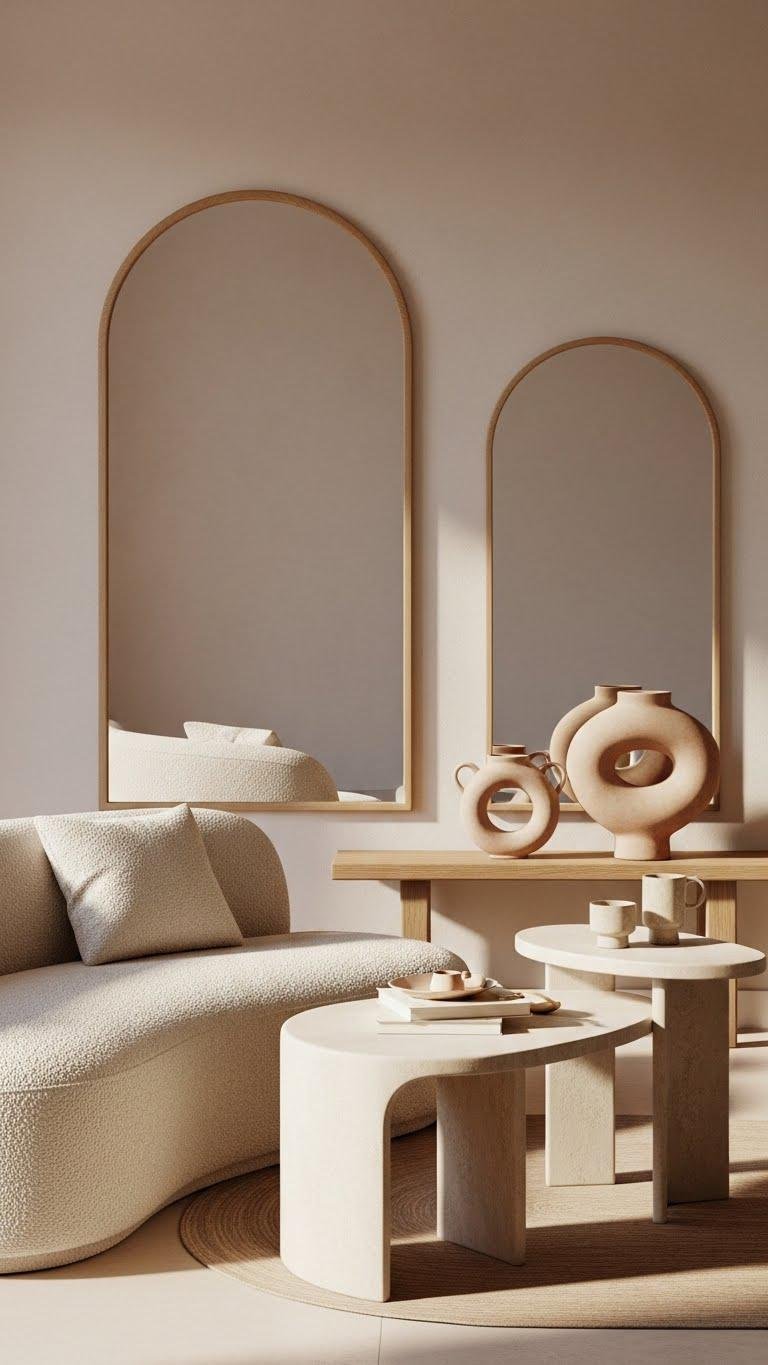
While straight lines keep things calm, introducing curved, organic shapes softens the room and guides the eye—think rounded sofas, sculptural side tables, and arched mirrors that break the grid without clutter.
Choose curved pottery as focal points, pair organic mirrors to reflect soft light, and let flowing silhouettes invite movement. You’ll create a minimal space that feels liberated, warm, and intentional.
Mix Bouclé and Velvet Textures

A few plush pieces in bouclé paired with velvet accents immediately elevate a minimal room—bouclé brings warm, nubby texture while velvet adds depth and a subtle sheen that reads luxe without fuss.
You’ll love how bouclé contrasts with sleek surfaces; place a boucle pouf, layer velvet draping on a chair, and keep palette muted. The result feels effortless, tactile, and free.
Create a Minimal Gallery Wall
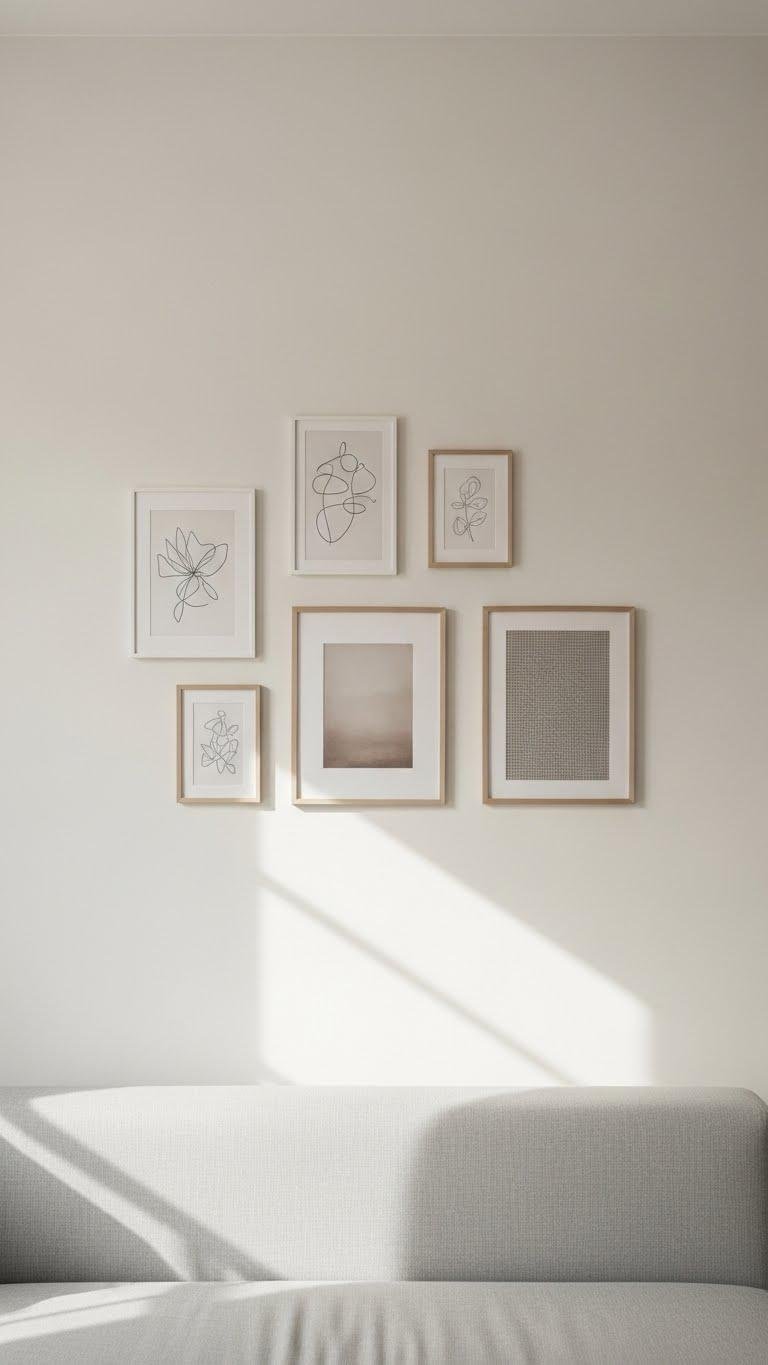
Start by eyeing one clean wall and work out a simple grid or staggered layout that feels balanced with the room’s scale and sightlines.
Pick a muted palette, mix small prints, a framed textile and minimal line drawings.
Use asymmetrical spacing to keep things modern and relaxed.
Hang at eye level, leave breathing room, and let the arrangement feel intentional, open, free.
Choose Sustainable, Reclaimed Pieces
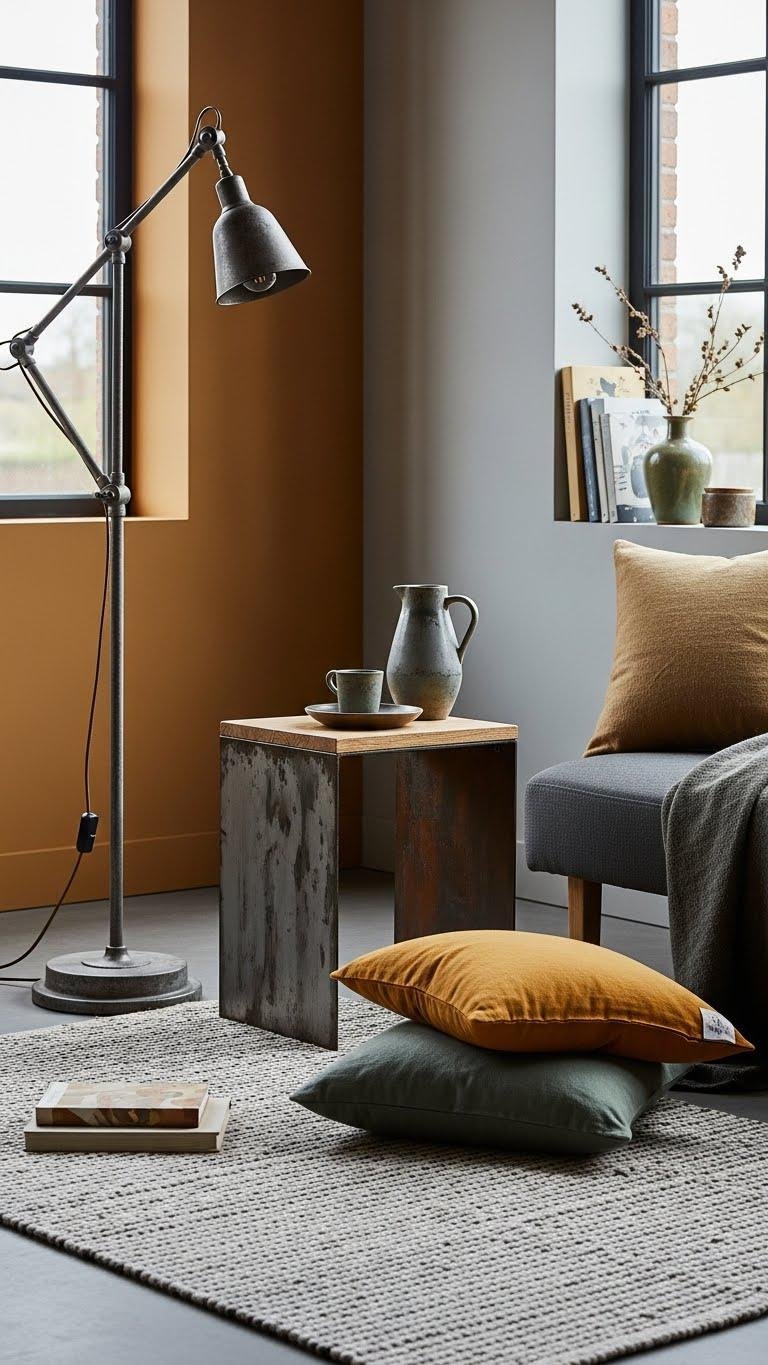
Consider sourcing a few reclaimed or sustainably made pieces to anchor your minimal scheme—you’ll get unique textures, low environmental impact, and a lived-in look that still reads modern. Select statement items like a reclaimed metalwork lamp or table, pair with upcycled textiles for subtle pattern, and keep lines simple. You’ll create a confident, eco-forward room that feels intentional and free.
Soften Corners With Cozy Throws and Rugs
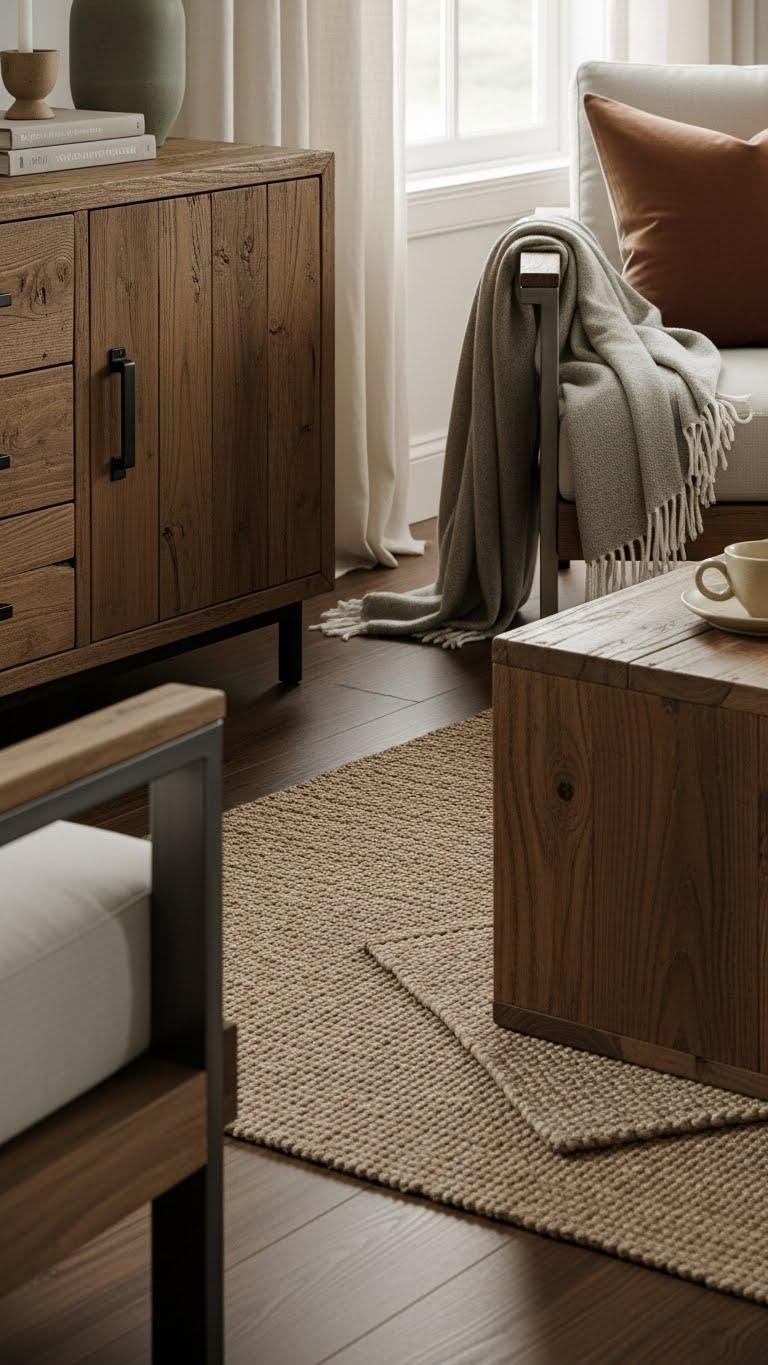
Bringing in reclaimed pieces sets a grounded, textured base—now soften those metal edges with cozy throws and rugs to make the space feel lived-in and welcoming. You’ll use soft cornering to break hard lines: drape a lightweight throw placement over an arm, layer a woven rug at angles, and leave pathways clear so the room breathes. Keep palettes muted, materials tactile.
Use Warm Metallic Hardware and Lighting

Warm metallics — think aged brass, soft copper, and satin gold — instantly temper minimalist lines, letting fixtures and hardware read as subtle accents rather than showy statements.
You’ll choose brushed brass accents on cabinets and door pulls, pair amber glass pendants with matte finishes, and let warm reflections soften edges. These small choices free your space, keeping it minimal, personal, and quietly luminous.
Add a Statement Ceramic Coffee Table

Anchor your seating area with a sculptural ceramic coffee table that doubles as art and utility — pick a matte, hand-glazed finish in an organic silhouette to introduce texture without clutter. Choose a handbuilt glaze piece with pedestal proportions to add presence without heaviness. Let it anchor the room, reflect natural light, and free your layout by serving as a tactile, intentional focal point.
Keep Surfaces Clear With Thoughtful Editing
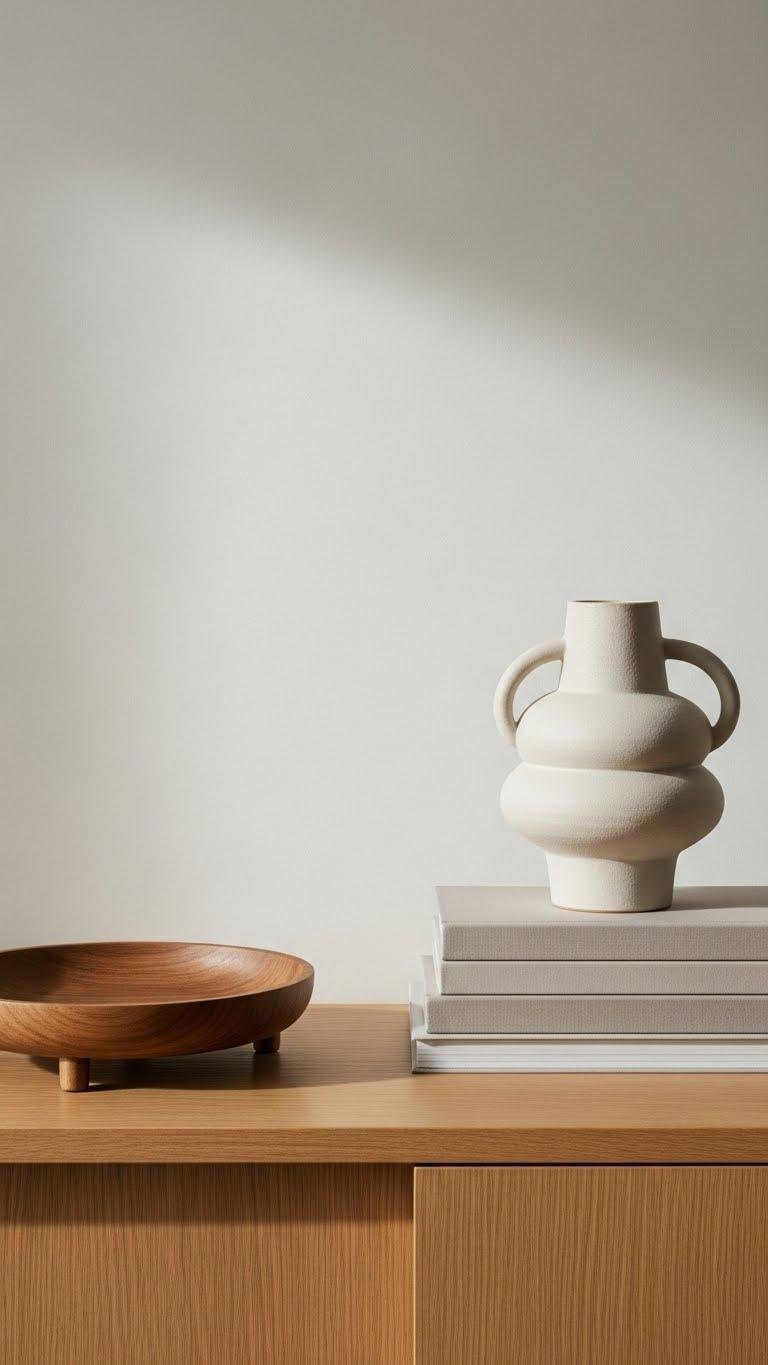
Clear away visual noise so each object can breathe: edit surfaces down to a few purposeful pieces — a low-profile tray, a single stack of books, and one sculptural vase — and let negative space frame the room. You’ll resist clutter by committing to seasonal rotation, keeping only what matters. Curate thoughtfully, choose tactile neutrals, and enjoy the freedom of a calm, edited home.
Layer Rugs for Depth and Warmth
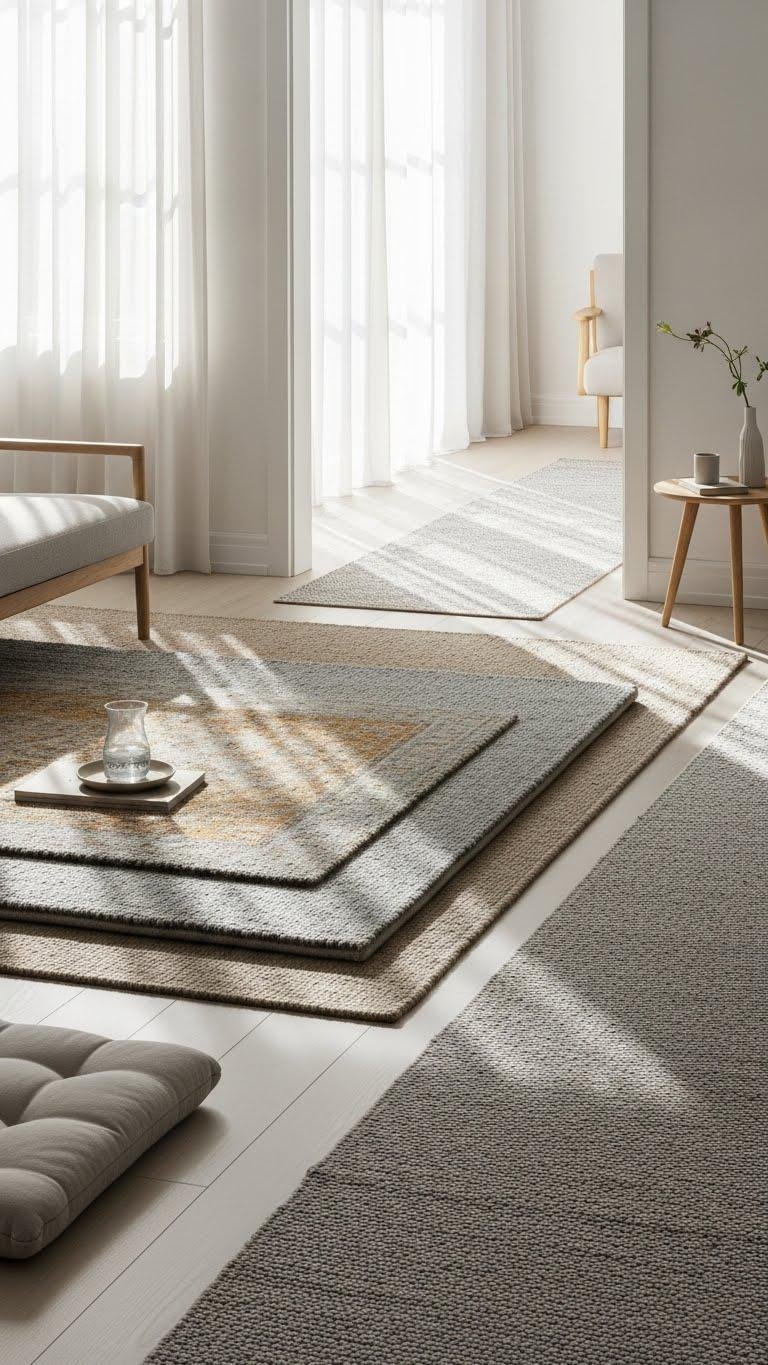
After paring surfaces back, think about grounding the room from the floor up by layering rugs for depth and warmth. You’ll mix a neutral base with a patterned or tonal top rug, use textured pads for grip and subtle cushion, and place layered runners to guide movement. Keep shapes simple, colors restrained, and let layers feel deliberate, airy, and freeing.
Incorporate Bamboo and Rattan Elements
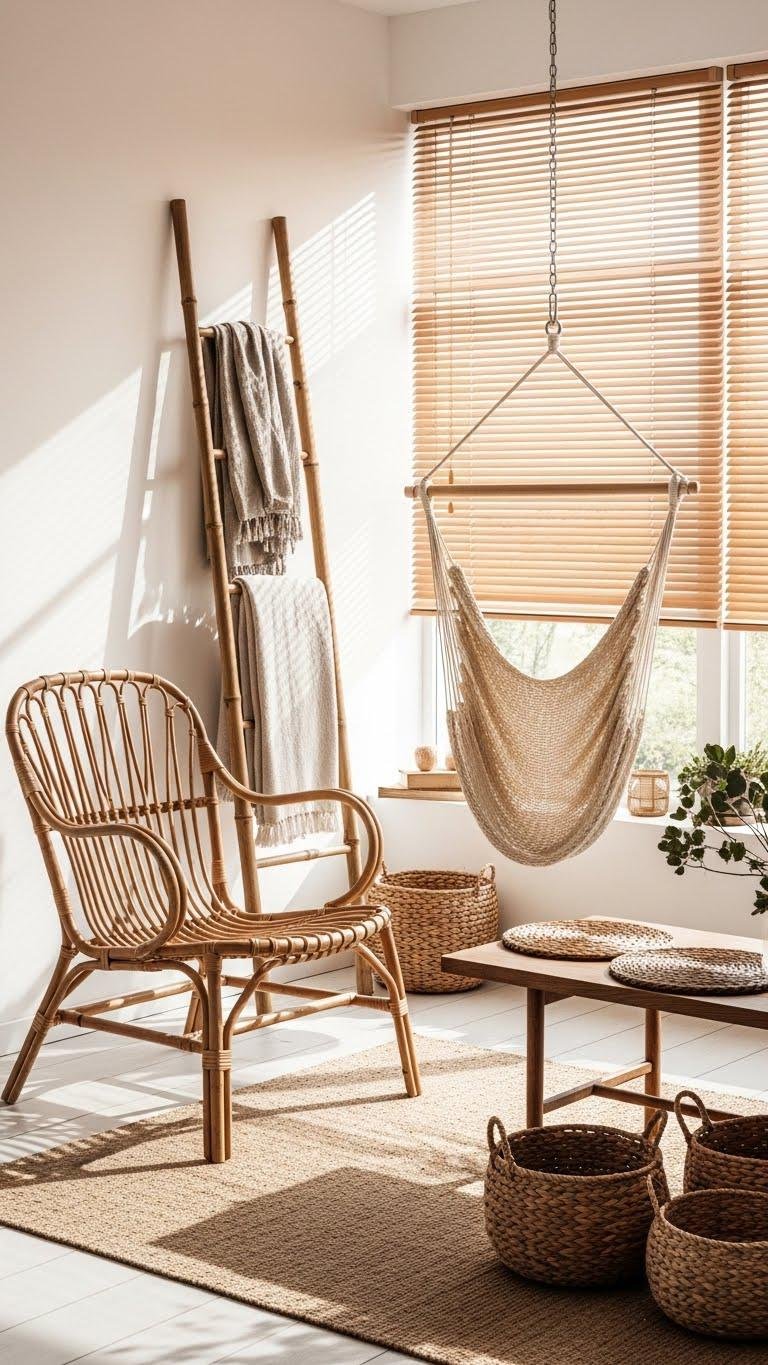
For a light, natural touch, bring bamboo and rattan pieces into your minimalist scheme—think a slender rattan armchair, woven pendant, or a bamboo ladder for throws.
You’ll layer tactile accents like rattan placemats, woven baskets, and bamboo blinds to filter light.
Choose clean lines, warm tones, and airy arrangements so your space feels free, grounded, and effortlessly curated.
Use Textured Linen Bedding
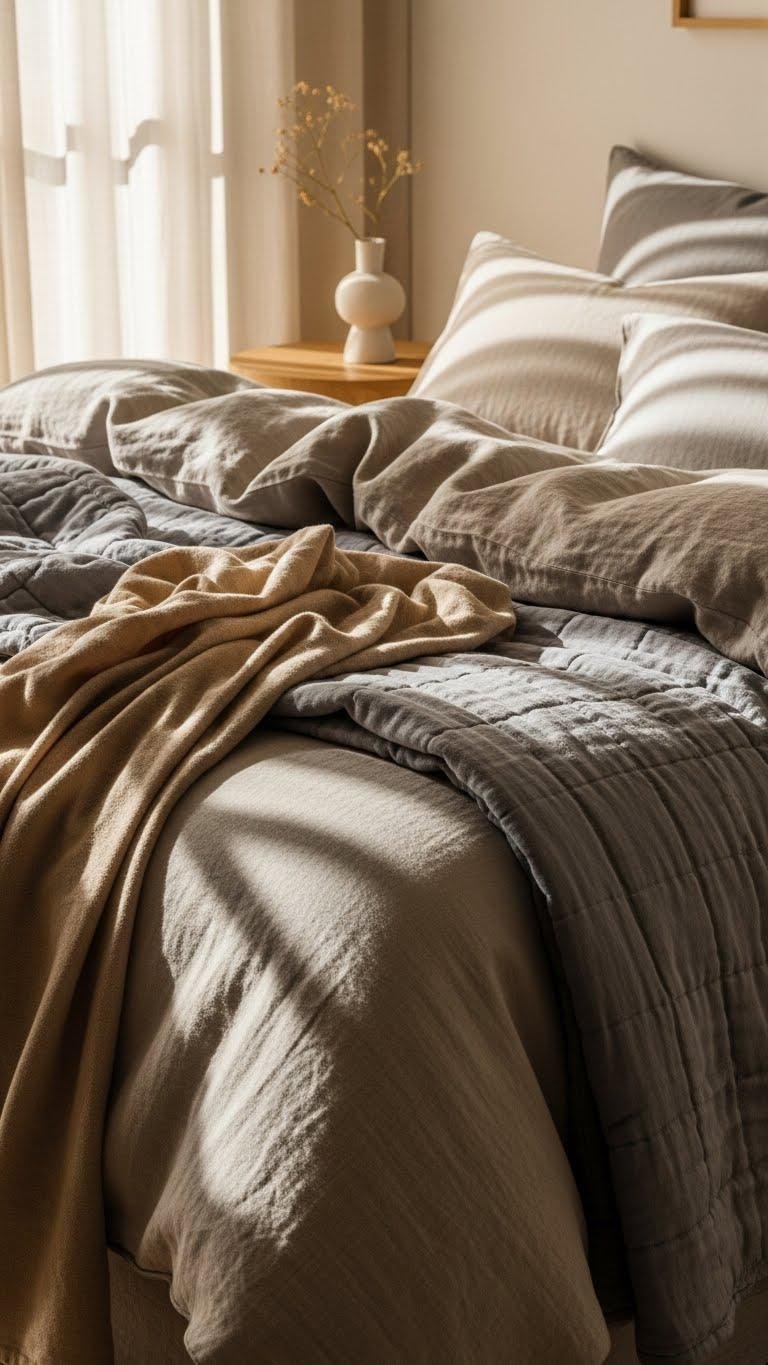
Often the simplest swap makes the biggest visual impact: switch cotton sheets for textured linen bedding to add effortless depth and a lived-in, breathable feel.
You’ll love stone washed linen for its soft drape and natural wrinkles that read relaxed, not sloppy. Layer breathable layers—duvet, throw, lightweight quilt—to create motion and comfort while keeping the aesthetic minimal and free.
Choose Calm, Quiet Patterns
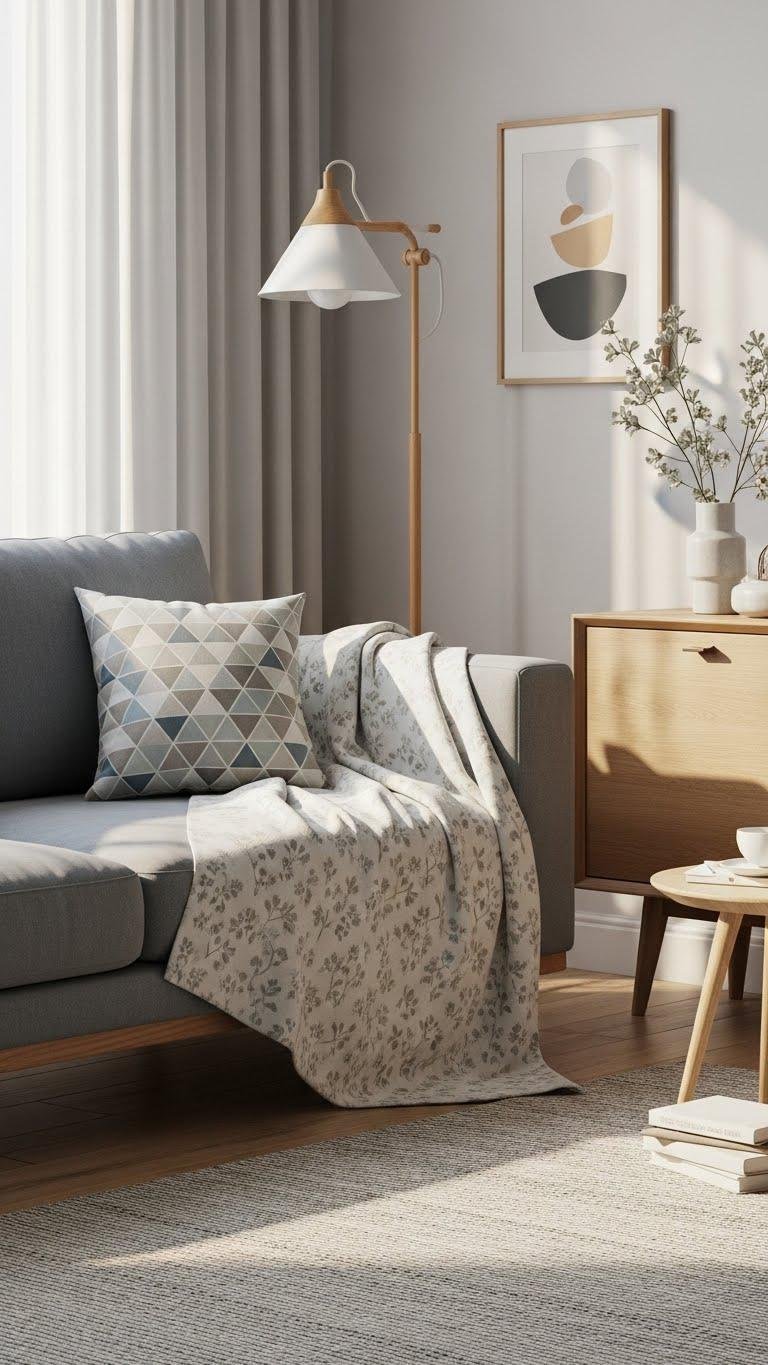
When you pick patterns, favor quiet scales and soft contrasts so the room feels composed, not busy.
You’ll choose soft geometrics and muted florals in restrained palettes, letting texture and negative space breathe.
Mix one small-scale pattern with one larger, subtle motif.
That restrained rhythm keeps spaces calm, modern, and liberating—so your decor supports ease instead of demanding attention.
Place a Deep Green Vase as a Focal Point
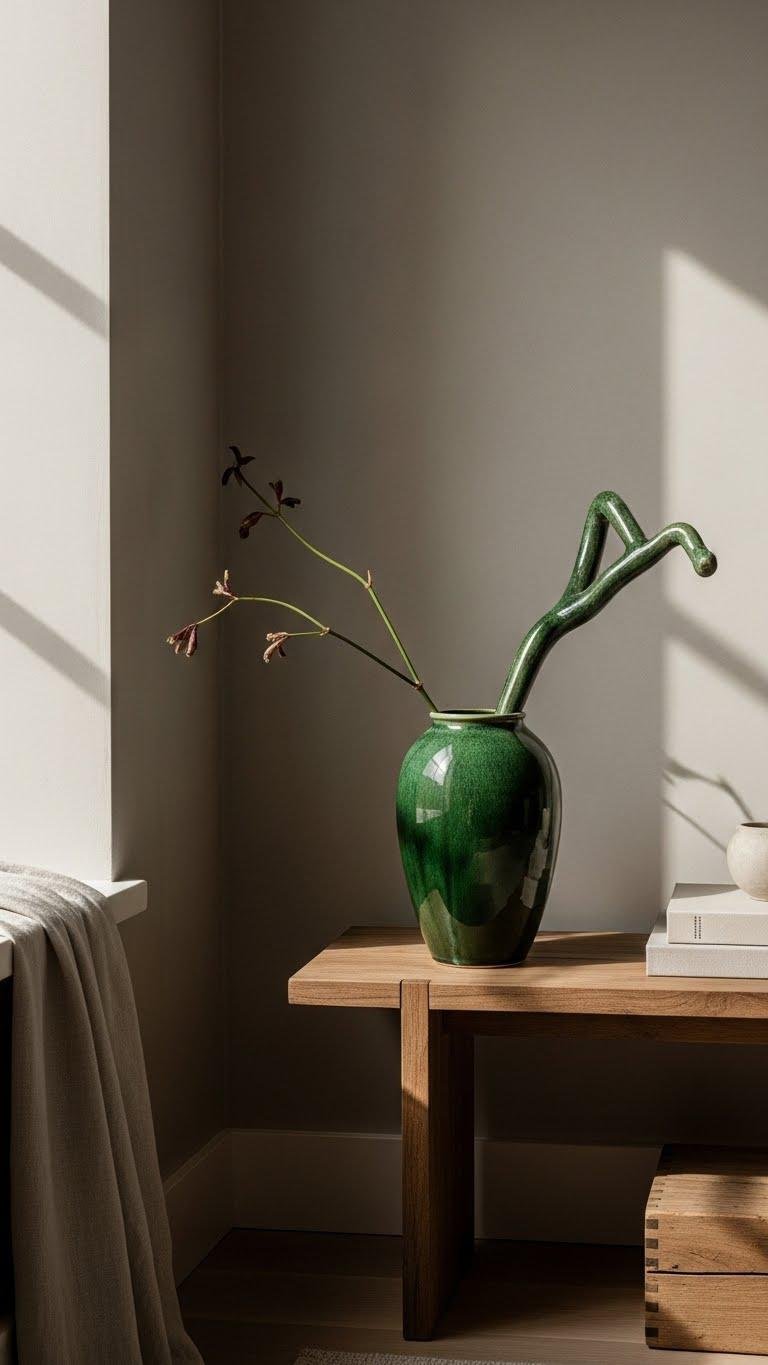
After you’ve settled on quiet patterns and breathable textures, introduce a deep green vase to anchor the space. Place it where sightlines rest and let its glazed contrast catch light against neutral walls. Pair it with raw stems or a single sculptural branch for freedom of form. Embrace matte pairing on adjacent surfaces to balance sheen and keep the look intentional, calm, and modern.
Introduce Sculptural Lighting Fixtures
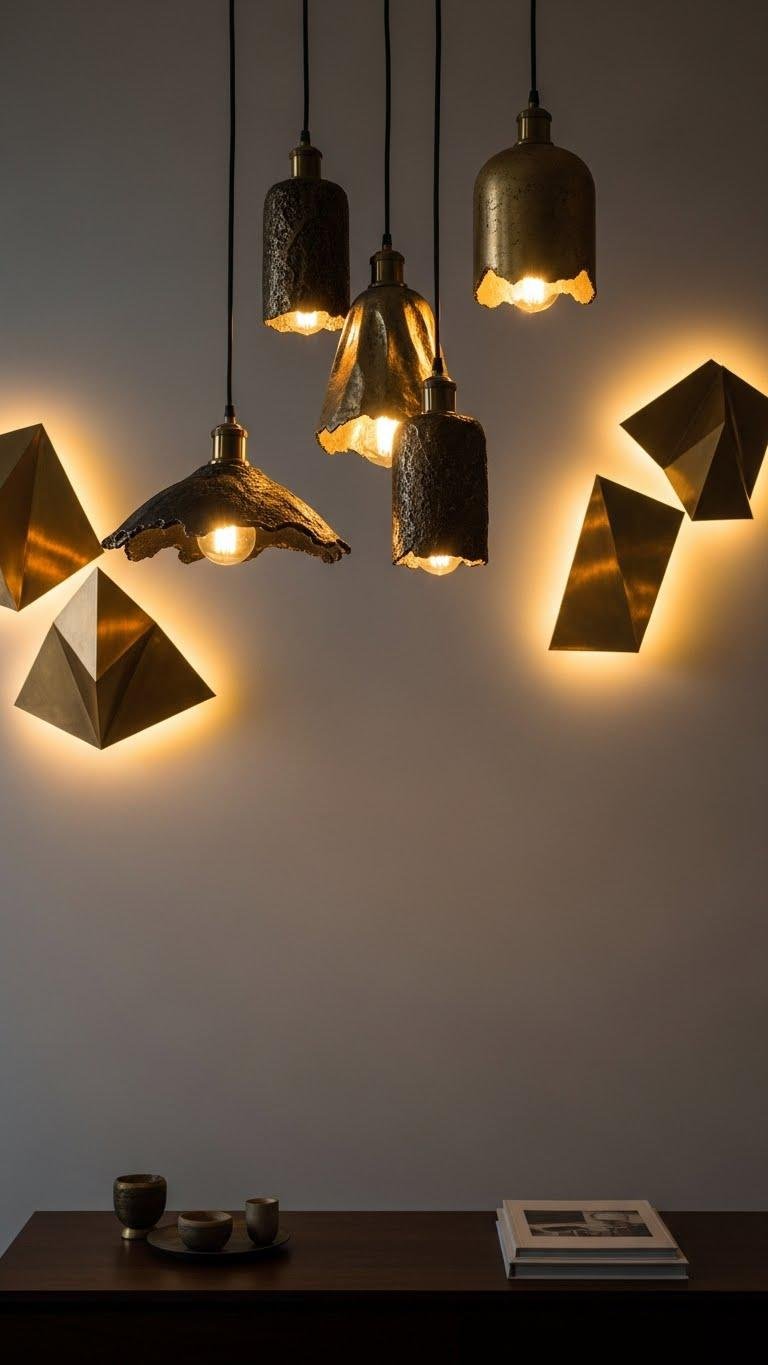
Introduce a sculptural light to turn functional illumination into a focal artwork that shapes mood and movement. You’ll choose artisan pendants over generic fixtures, letting raw textures and brass tones feel personal. Mix in geometric sconces for sculptural rhythm on plain walls.
Keep scale deliberate, dimmers ready, and negative space abundant so light reads as freedom, not clutter.
Curate a Small Collection of Books and Objects

Curate a small collection of books and objects to give your space personality without crowding it: pick a handful of books with tactile covers and meaningful spines, add two or three sculptural objects (a ceramic vessel, a stone paperweight, a framed postcard) and arrange them in purposeful groupings with breathing room. Edit for a curated shelf, smart object pairing, tactile spines and muted color themes.