
You’ll get practical, stylish fixes that make a small apartment feel larger, brighter and more functional without sacrificing personality. Think scaled room mock-ups, slim built-ins, Murphy beds, layered lighting and clever hidden storage—each idea focuses on flow, light and adaptable furniture so every inch earns its keep. I’ll walk you through layout tricks, furnishings that multitask and finishing touches that elevate tiny spaces—here’s where to start.
Maximize Flow With a Scaled Room Mock-Up

To get traffic flow right, build a scaled mock-up of your room before you buy or move anything: tape out walls and furniture footprints on the floor or sketch a 1:20 paper plan so you can see pathways, sightlines, and door clearances at a glance.
You’ll use scale models and simple flow simulations to test layouts, eliminate bottlenecks, and choose pieces that free movement and style.
Anchor Areas With Rugs to Define Zones
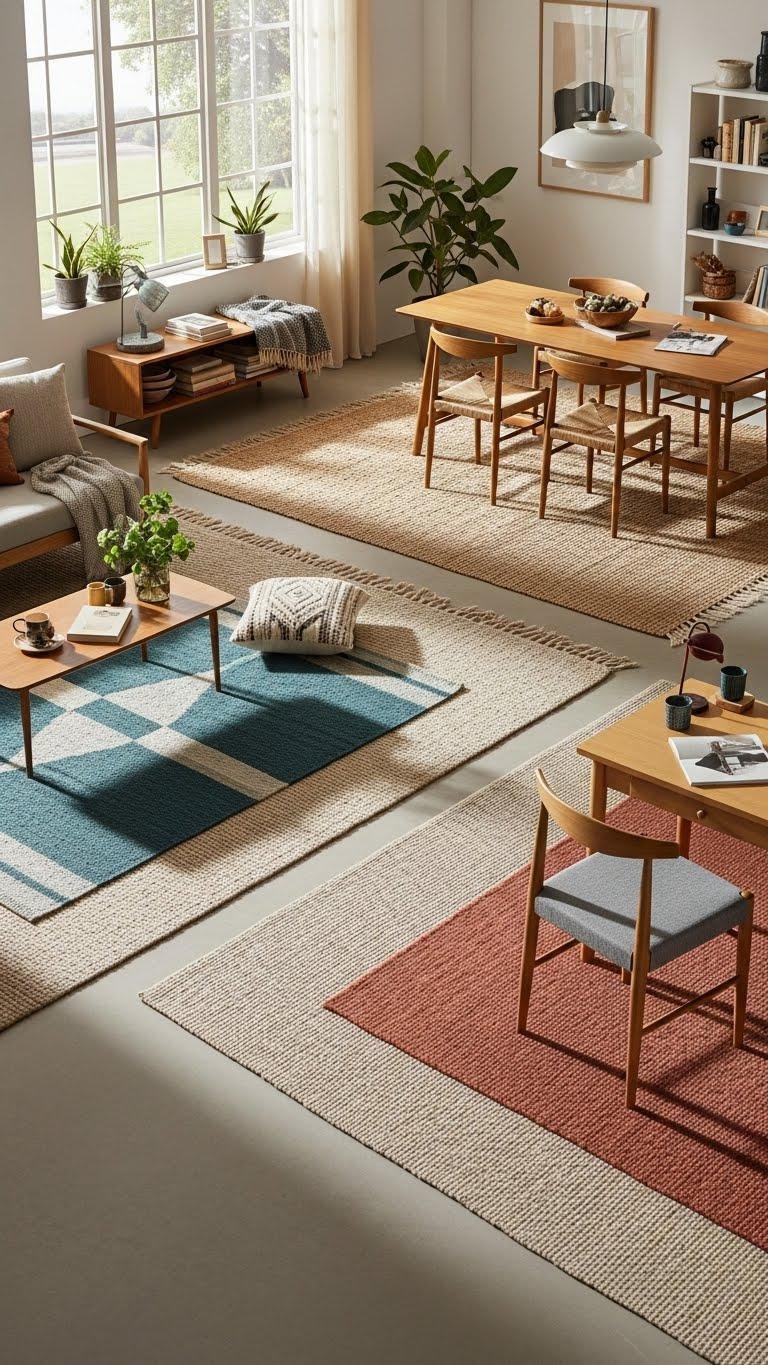
Think of rugs as visual anchors that quietly tell your eye where each zone begins and ends. You’ll use layered rugs to add texture without clutter, pairing a neutral base with a bold accent for pattern placement that guides movement.
Position rugs to ground seating, dining, and work spots so each area feels intentional, open, and effortlessly yours.
Choose Light, Bright Paints to Open Space
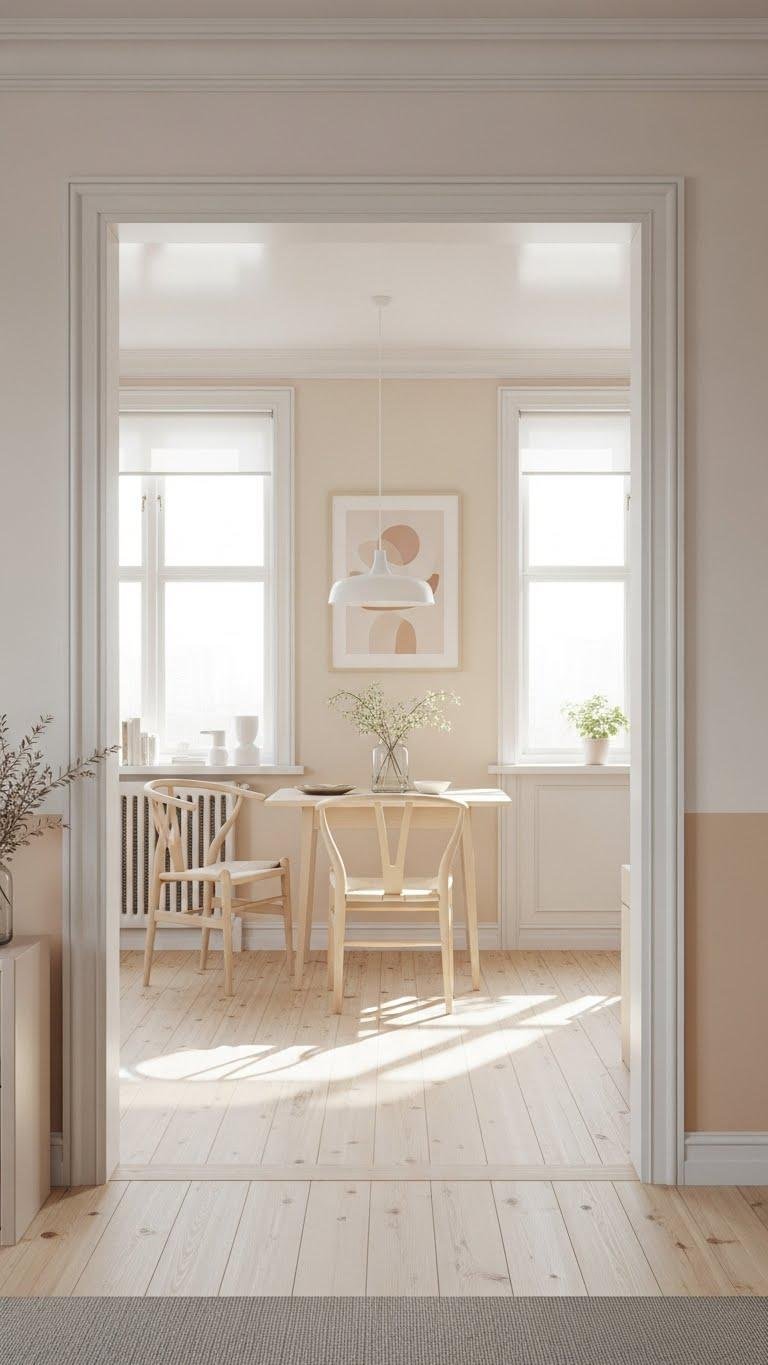
Why not make walls vanish and let your small apartment breathe by choosing light, bright paints? You’ll amplify space with pale warm neutrals and subtle accents, reflecting daylight to free the room. Use soft reflective sheens on ceilings or trim to lift sightlines, keep contrasts minimal, and pick tones that make you feel open, calm, and ready to move through your life.
Layer Lighting for Warmth and Depth
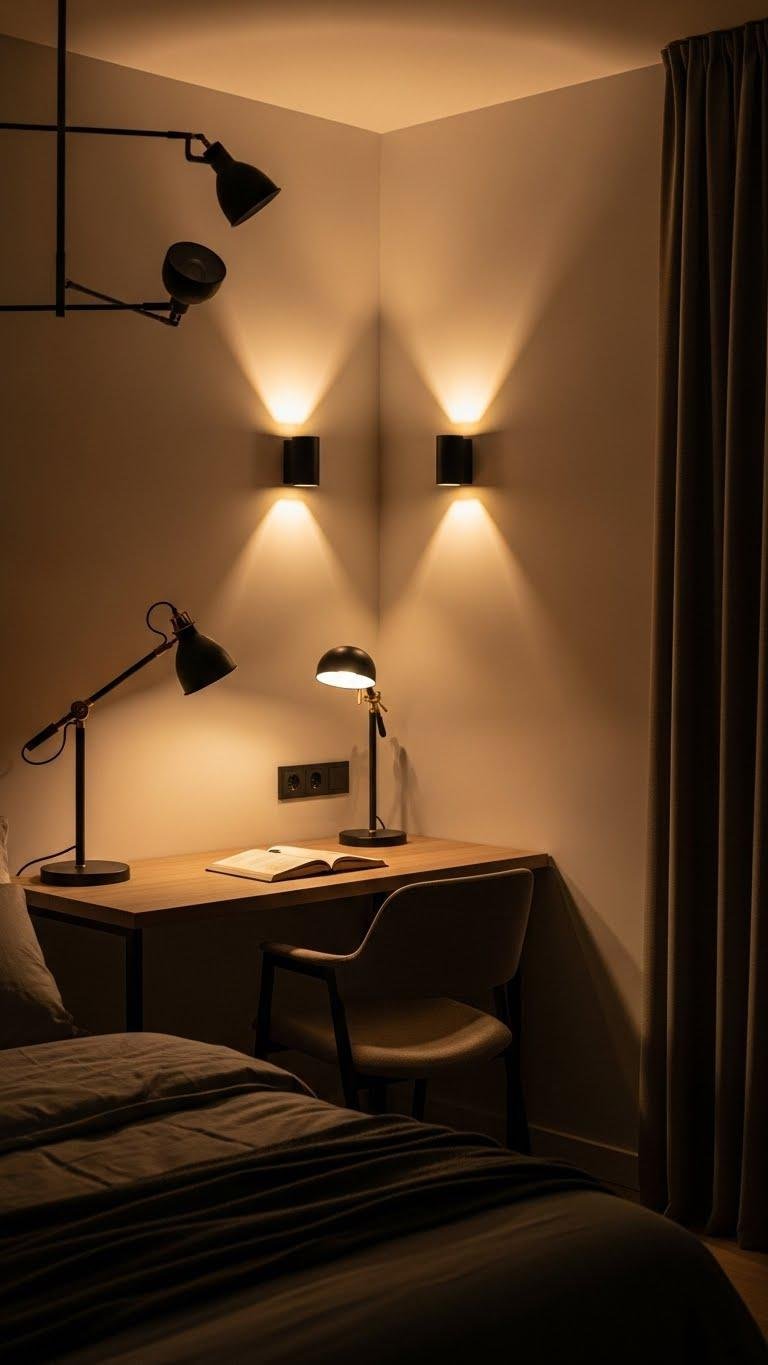
Bring together multiple light sources to sculpt warmth and depth — ambient, task, and accent each play a role in how your small apartment feels and functions.
You’ll mix warm dimmers for mood, layered sconces for sculpting corners, and directional task lamps for work.
Keep fixtures minimal, choose warm tones, and control scenes so your space feels expansive, cozy, and free to shift with your life.
Use Mirrors to Bounce Light and Add Depth
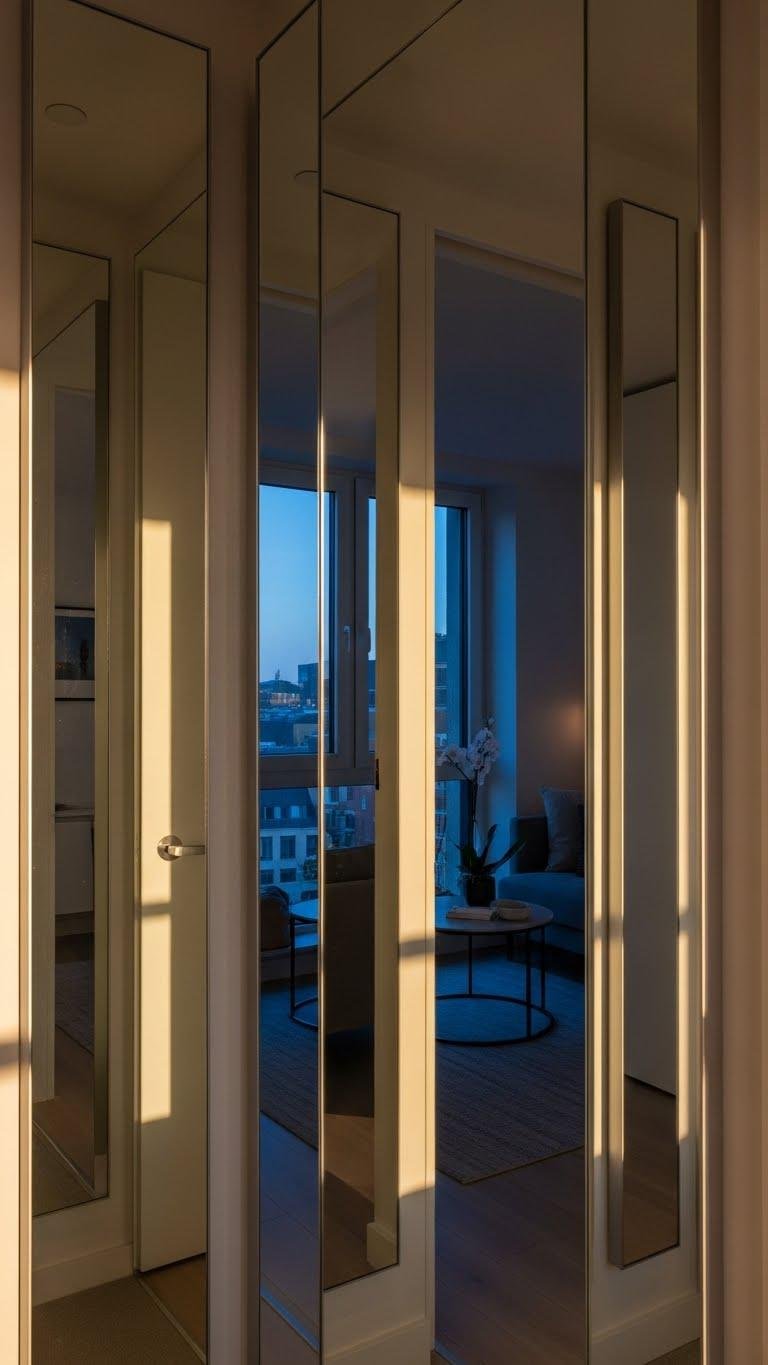
A few well-placed mirrors will instantly amplify light and open up tight sightlines, turning corners and narrow hallways into perceived extra space.
You’ll choose reflective art or slim mirrors with frameless edges, use angled placement to catch sun and city lights, and create layered reflections that multiply views. It’s a bold, airy move that keeps your tiny place feeling limitless.
Install Tall Bookcases to Emphasize Height
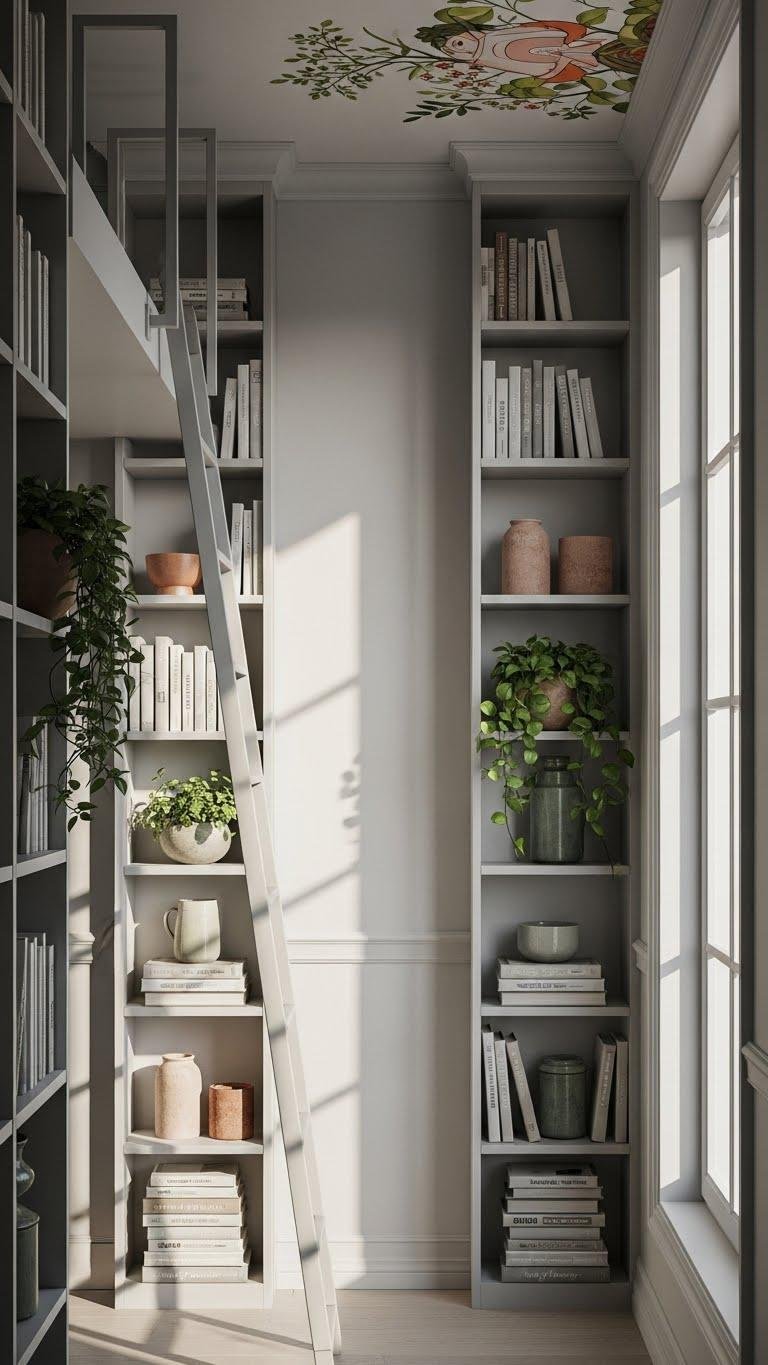
After mirrors widen sightlines, tall bookcases draw the eye up and reinforce that vertical illusion.
You’ll pick slim, floor-to-ceiling units that free floor space and showcase objects like plants, ceramics, and stacks of books.
Add a removable loft ladder for access and a painted ceiling mural above shelves to extend the room’s drama.
You’ll feel open, curated, and in control.
Hang Curtains High to Create Vertical Lines
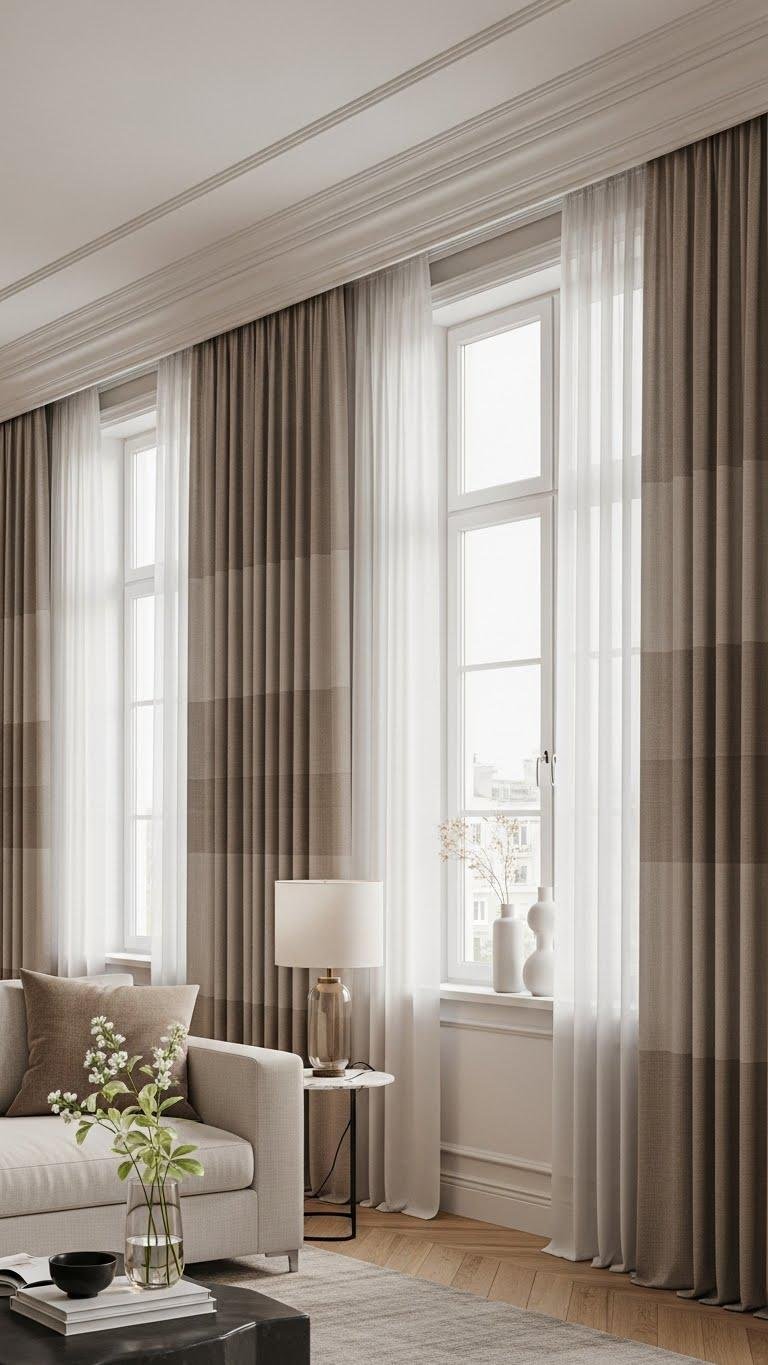
When you hang curtains closer to the ceiling, they visually stretch the room and make windows feel taller; mount the rod just a few inches below the crown molding or an inch or two above the window frame to maximize that vertical pull. Go floor to ceiling with illusion panels, use rod concealment for clean lines, and practice fabric layering to add texture without clutter — it frees your space.
Select Multi-Functional Sofas and Daybeds
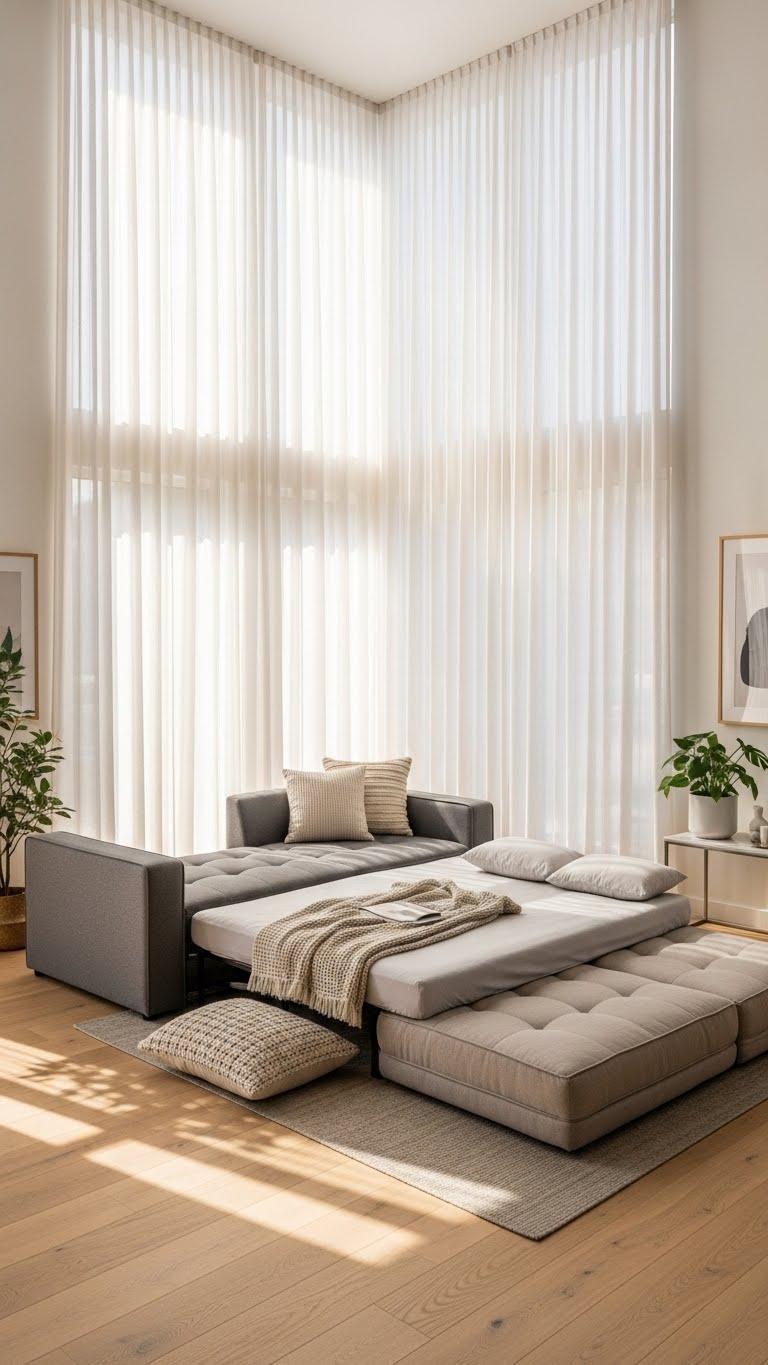
Pulling the eye upward with tall curtains frees floor space — now make that space work harder with multi-functional sofas and daybeds that blend style and utility. Choose a convertible chaise for lounging that flips into a bed, or a modular futon you can rearrange for guests or work. You’ll keep the room open, flexible, and unapologetically free.
Add Storage Ottomans for Seating and Stash Space
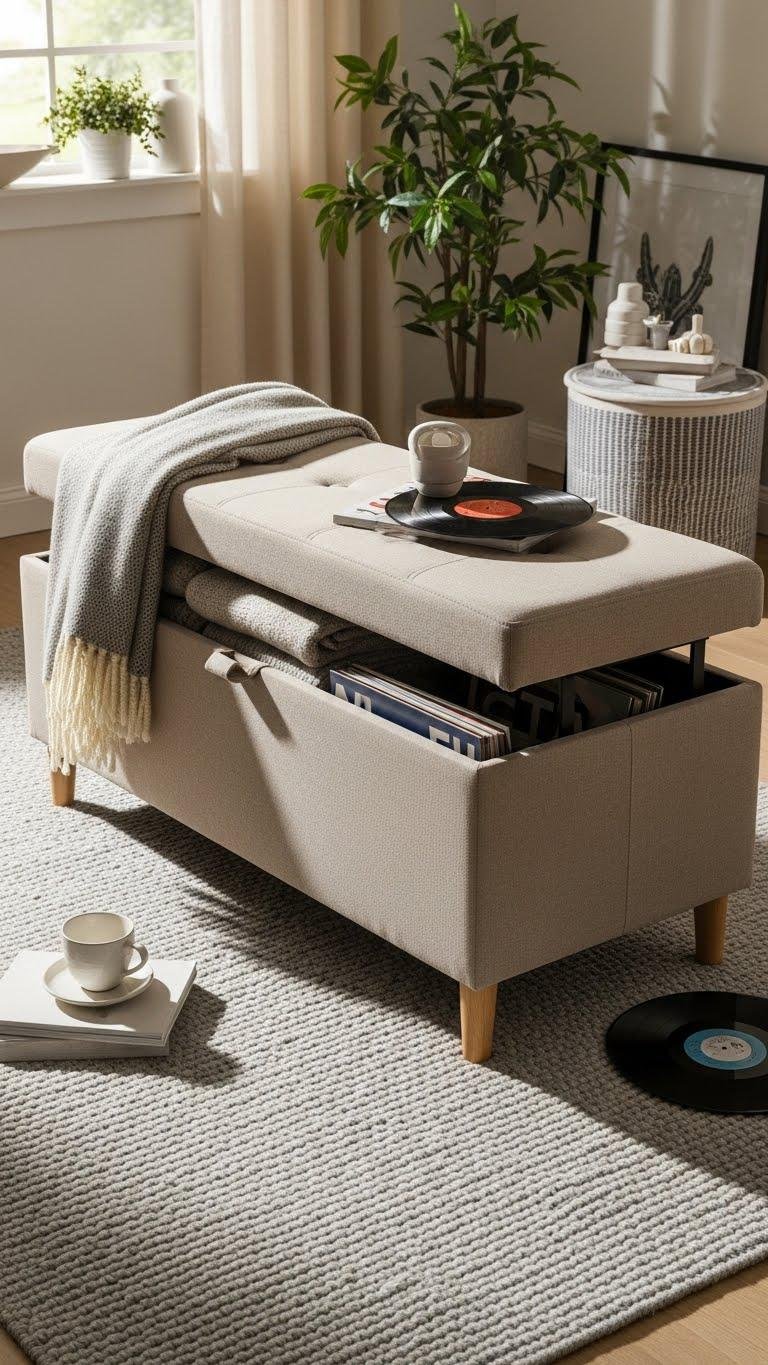
Maximize every inch by swapping a lone coffee table for a storage ottoman that doubles as extra seating, a hidden linen closet, and a laid-back footrest. Choose models with hidden hinges for clean lines and security, tufted tops for texture, and lightweight frames so you can move freely. Use neutral fabrics to anchor the room and stash throws, gear, or records out of sight.
Use Nesting Tables That Tuck Away Easily
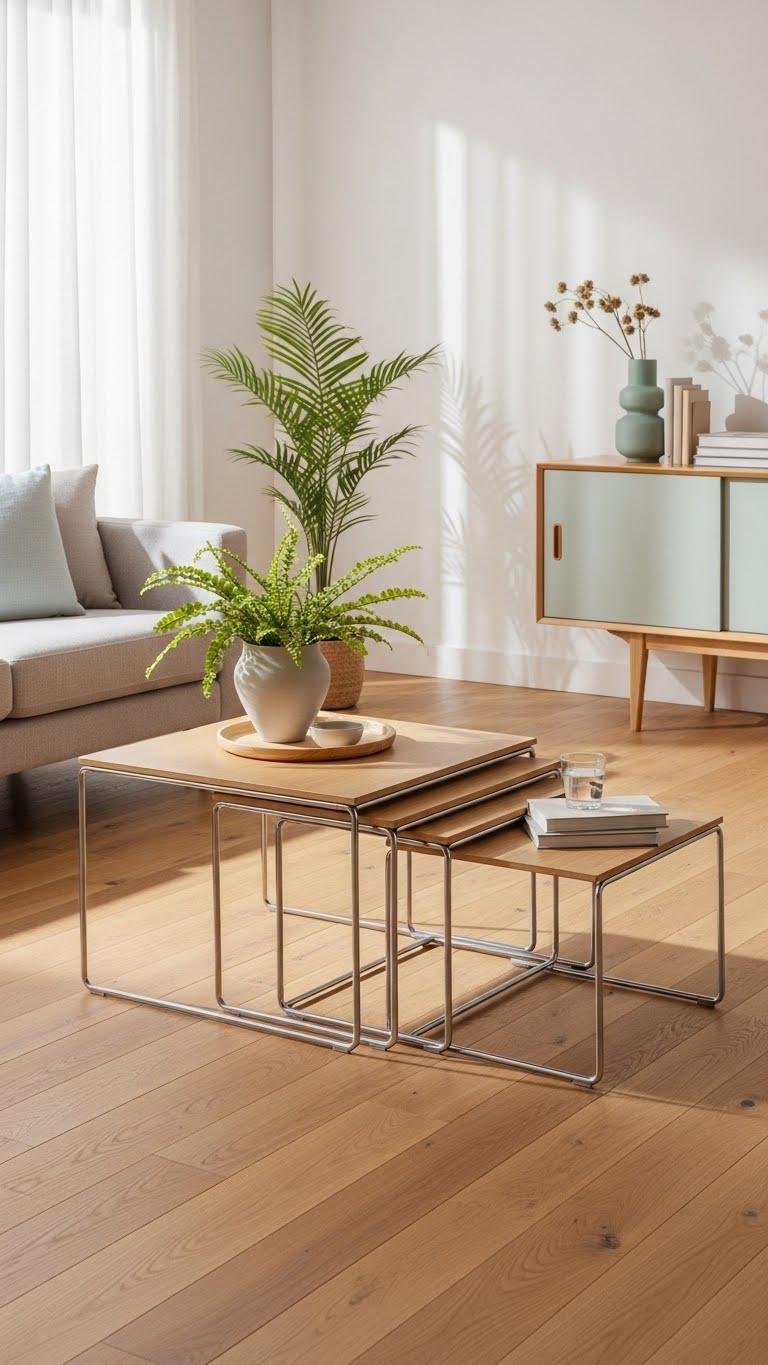
Swap the bulky coffee-table footprint for a set of nesting tables that you can arrange by need and tuck away when you don’t. Choose lightweight, sculptural pieces for a floating vibe; compact nesting keeps pathways open and visual clutter down.
Use tiered storage options or mixed-material tops for drinks, plants, or books. You’ll gain flexible surfaces and instant breathing room.
Mount Floating Shelves to Free Floor Space
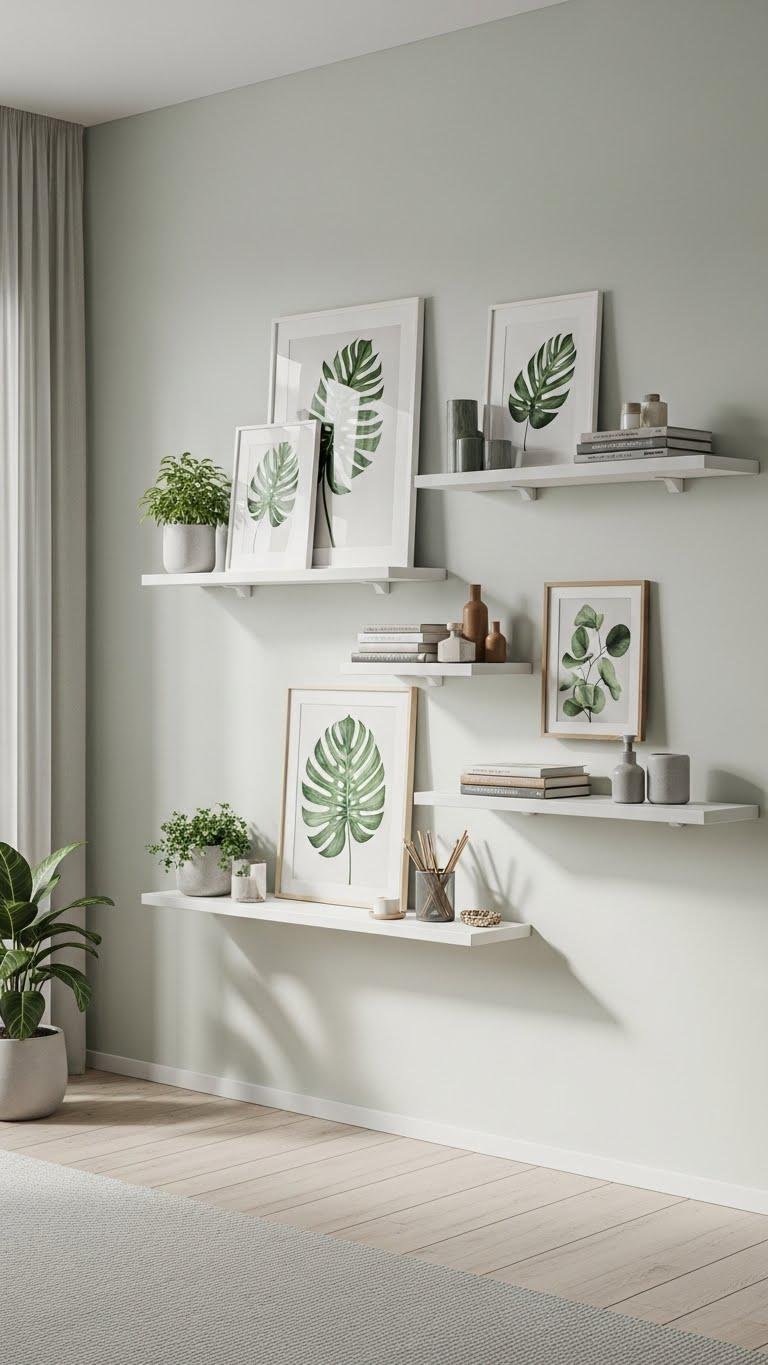
With a few sleek floating shelves mounted at varying heights, you’ll reclaim floor space and create instant visual layering without bulky furniture.
Choose systems with hidden brackets for a clean, airy look. Arrange pieces at staggered heights to showcase art, plants, and essentials while keeping surfaces clear. You’ll feel freer, moving through a space that’s curated, light, and intentionally open.
Opt for Glass or Open Shelving to Reduce Visual Weight
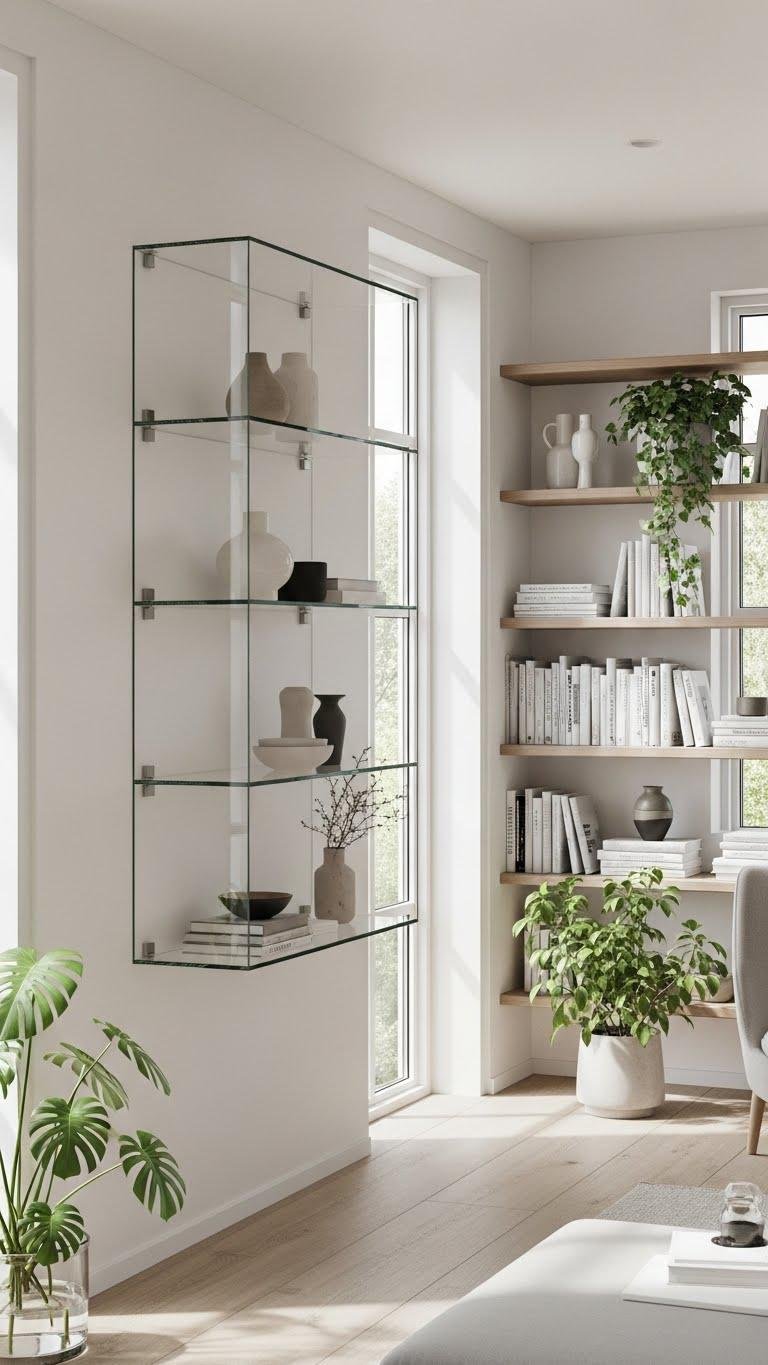
If floating shelves opened up your floor, glass or open shelving will keep walls feeling airy while holding the things you use every day.
Choose a glass display to showcase curated objects without bulk, or mix open shelving for books and plants to stay flexible.
You’ll maintain sightlines, maximize light, and keep styling minimal so your space feels free and intentional.
Integrate a Fold-Down Desk for Work Flexibility
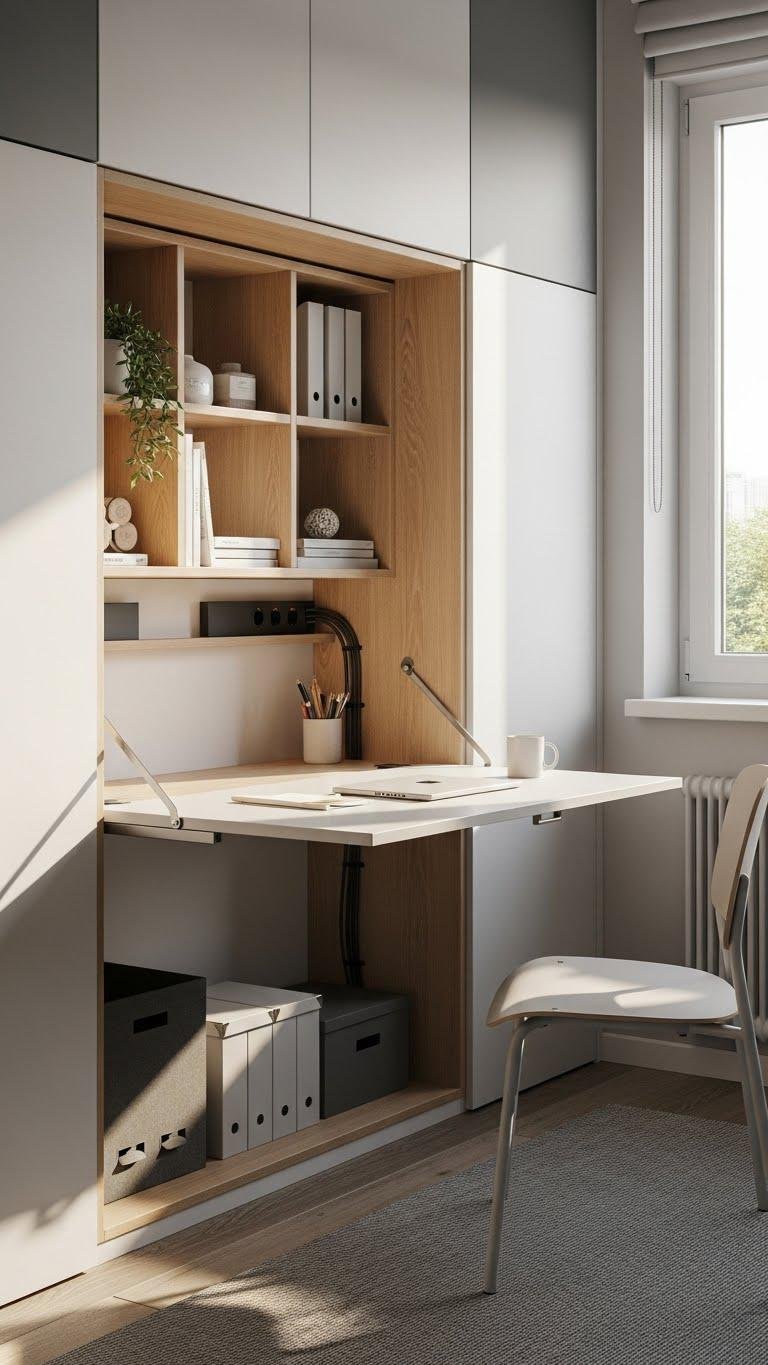
Tuck a fold-down desk into an unused wall or alcove and you’ll gain a full workstation without surrendering floor space. You’ll flip it down for focused work, then stow it to free movement.
Choose a sleek fold down workstation with built-in storage, cable management and compact ergonomics — adjustable height or a slim chair keeps posture safe while preserving a liberated, airy room.
Consider a Murphy Bed to Reclaim Floor Area
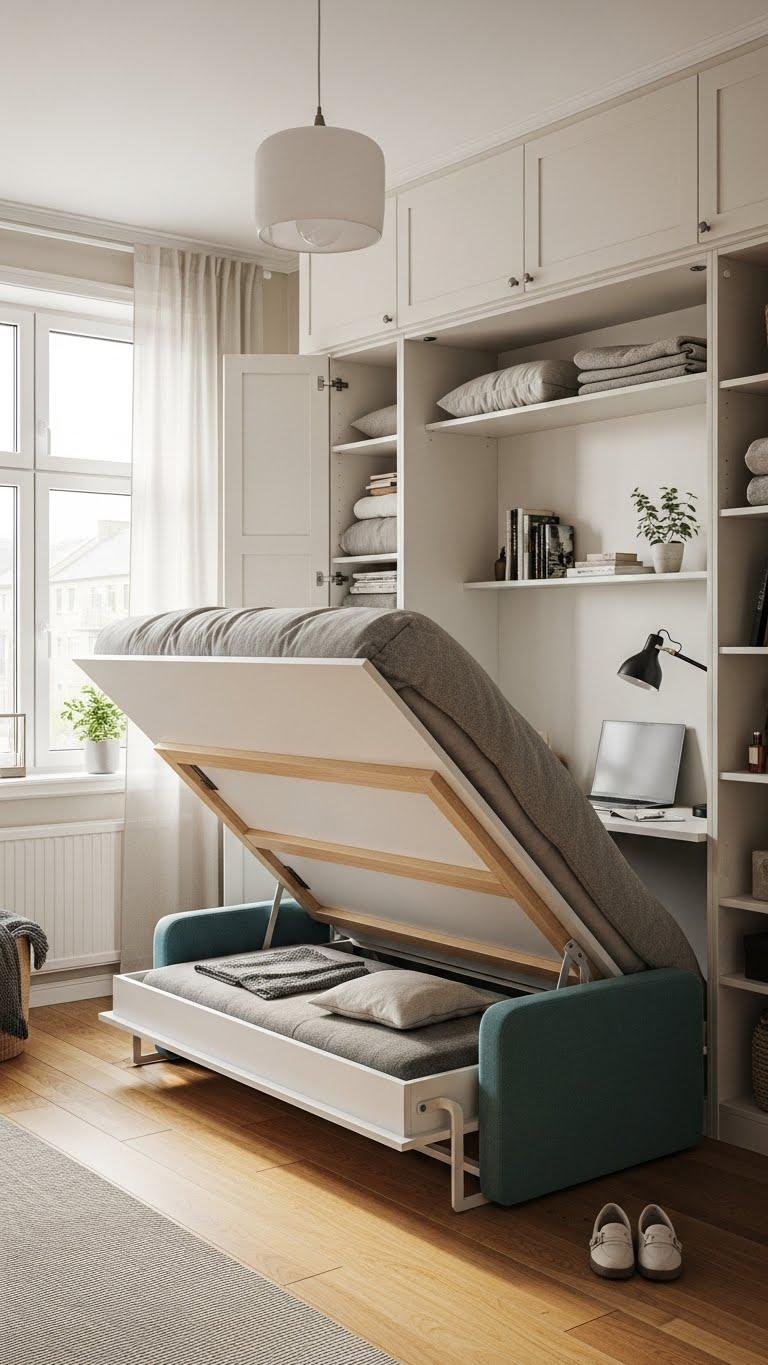
Flip up a Murphy bed and watch your tiny apartment breathe — you get a full-size sleeping surface that tucks away vertically, freeing floor area for daytime life.
You’ll love the vertical lift mechanism and hidden storage options for bedding, gear, or a compact desk. It turns a bedroom into a lounge instantly, giving you freedom to host, work, or move without clutter.
Design Custom Pieces for Odd Room Shapes
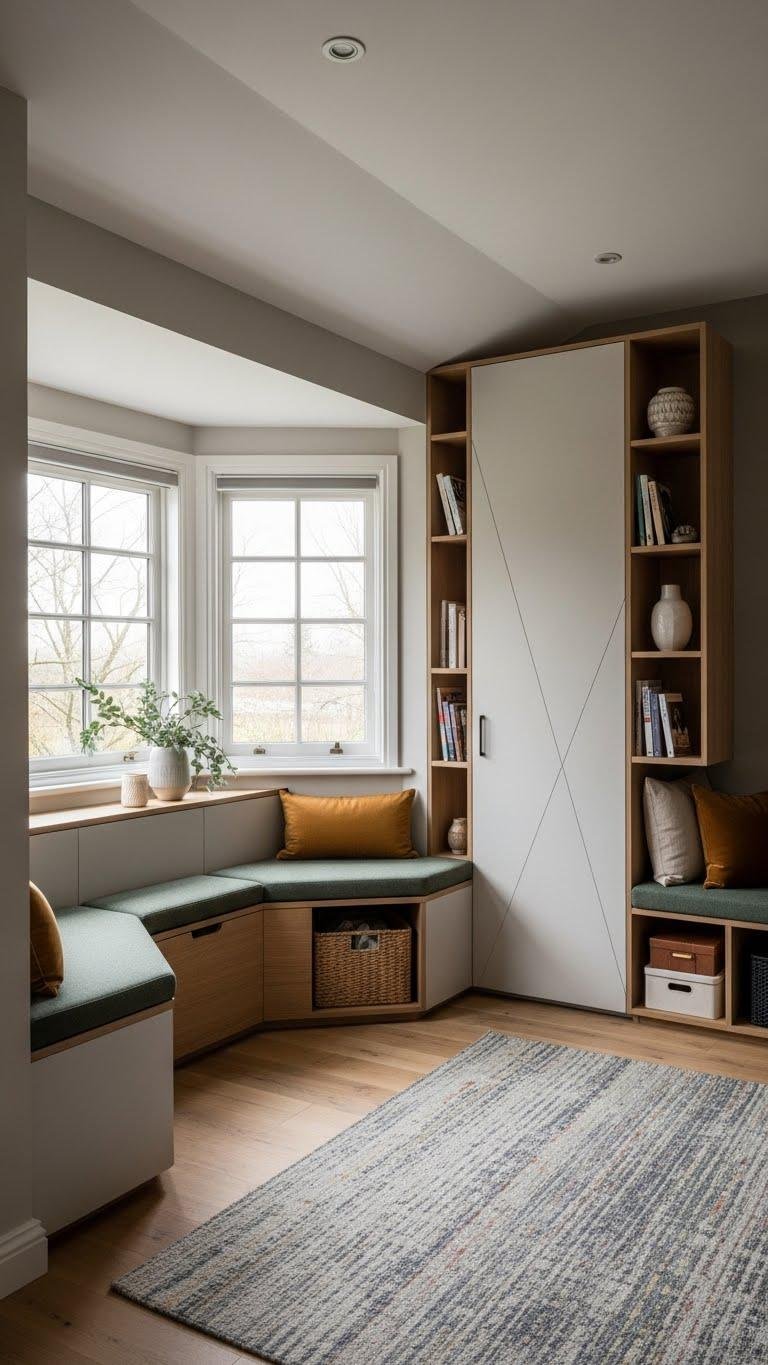
When a room refuses to fit standard furniture, design custom pieces that celebrate the quirks—built-in benches that follow a bay window curve, narrow consoles that tuck into angled alcoves, or modular shelving sized for your ceiling height. You’ll embrace angled cabinetry to maximize storage and sculpt flow, add bespoke seating that doubles as storage or a statement, and keep proportions lean for freedom and flair.
Place Key Lighting Over Seating and Art
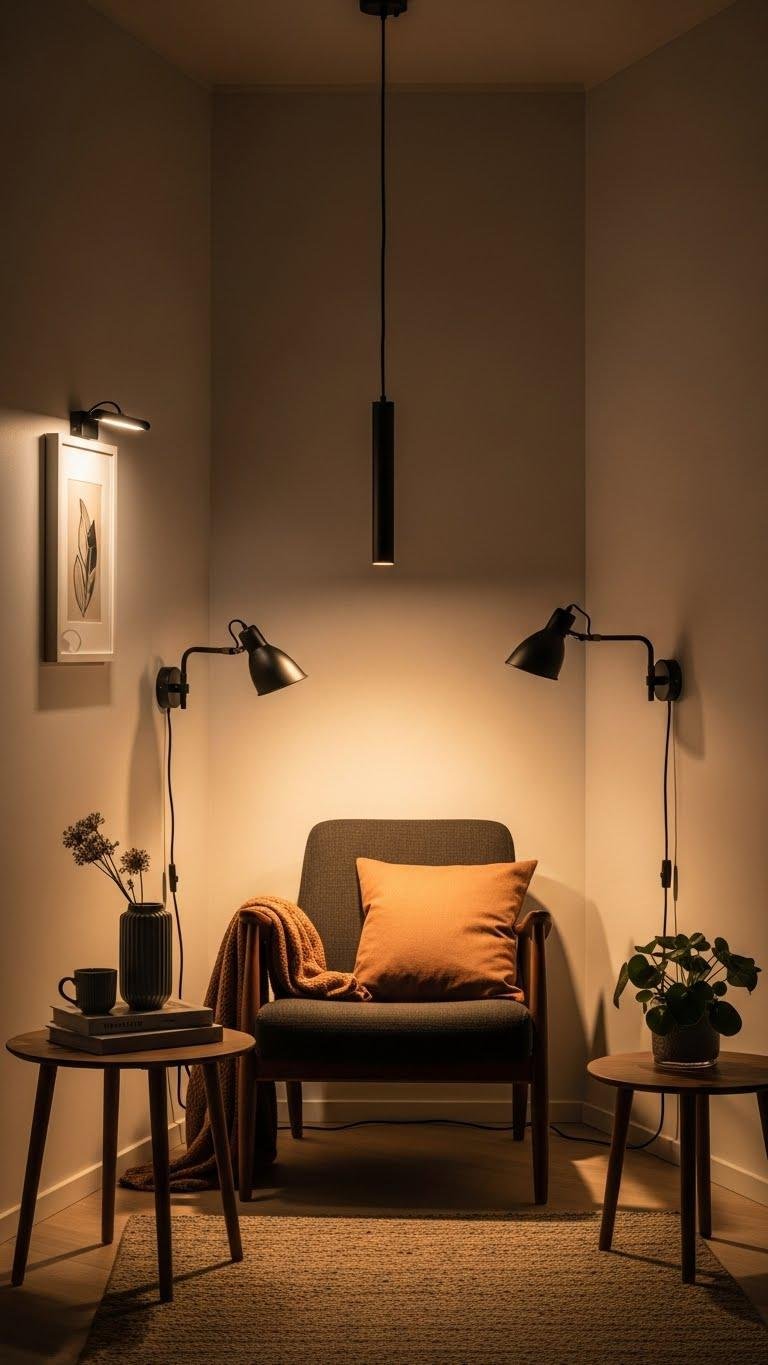
Always aim light where people and focal pieces live: hang a slim pendant over a reading chair and position picture lights above artwork so both function and form get noticed. You’ll choose adjustable sconces for task flexibility and art focused pendants to highlight prints. Keep fixtures minimal, finishes cohesive, and mounting simple so your small space feels open, intentional, and free to live in.
Create Visual Boundaries With Curtains or Dividers
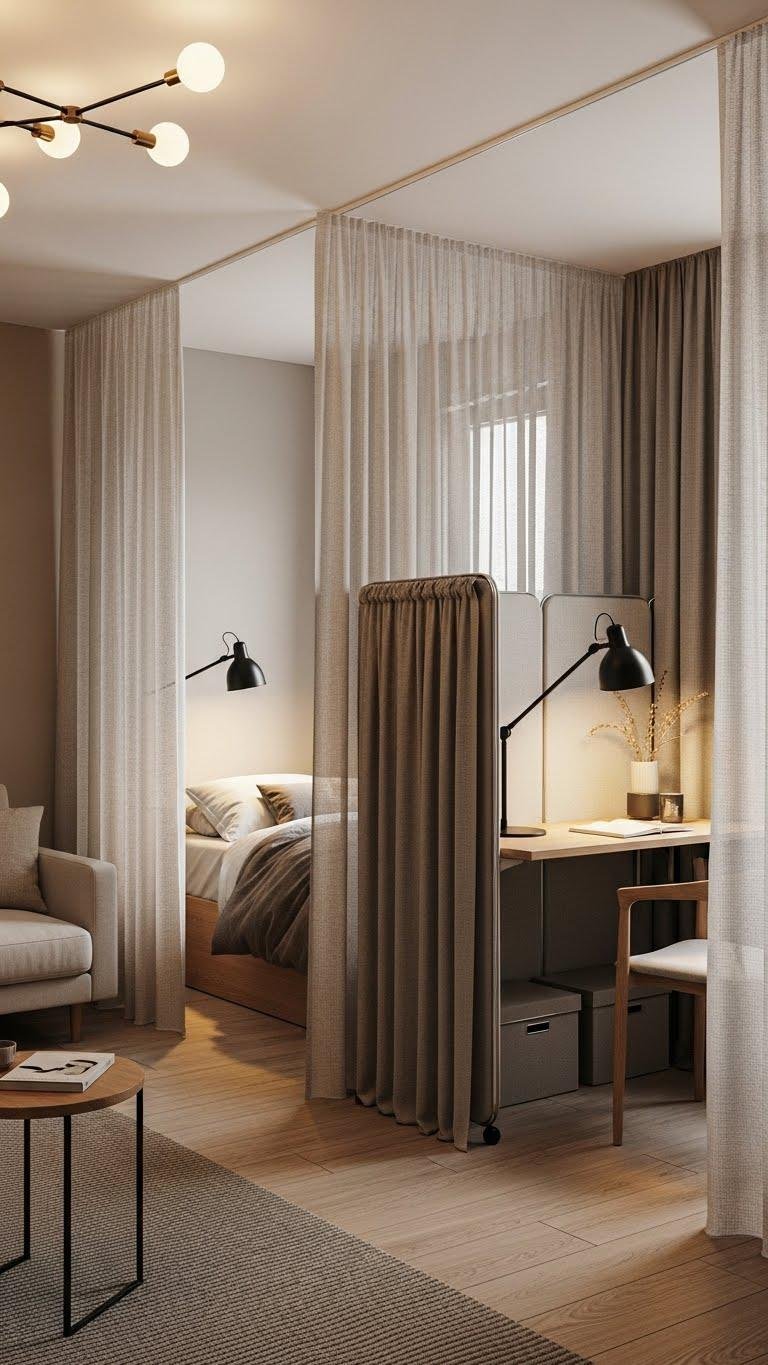
After you’ve layered lighting to define seating and art, add soft architectural lines that shape how you move through the room: curtains and slim dividers let you carve zones without building walls. You’ll use privacy panels and fabric screens to frame a sleeping nook, hide storage, or shape a work corner. Choose airy materials and movable tracks so your space breathes and adapts.
Curate Display Objects to Avoid Clutter
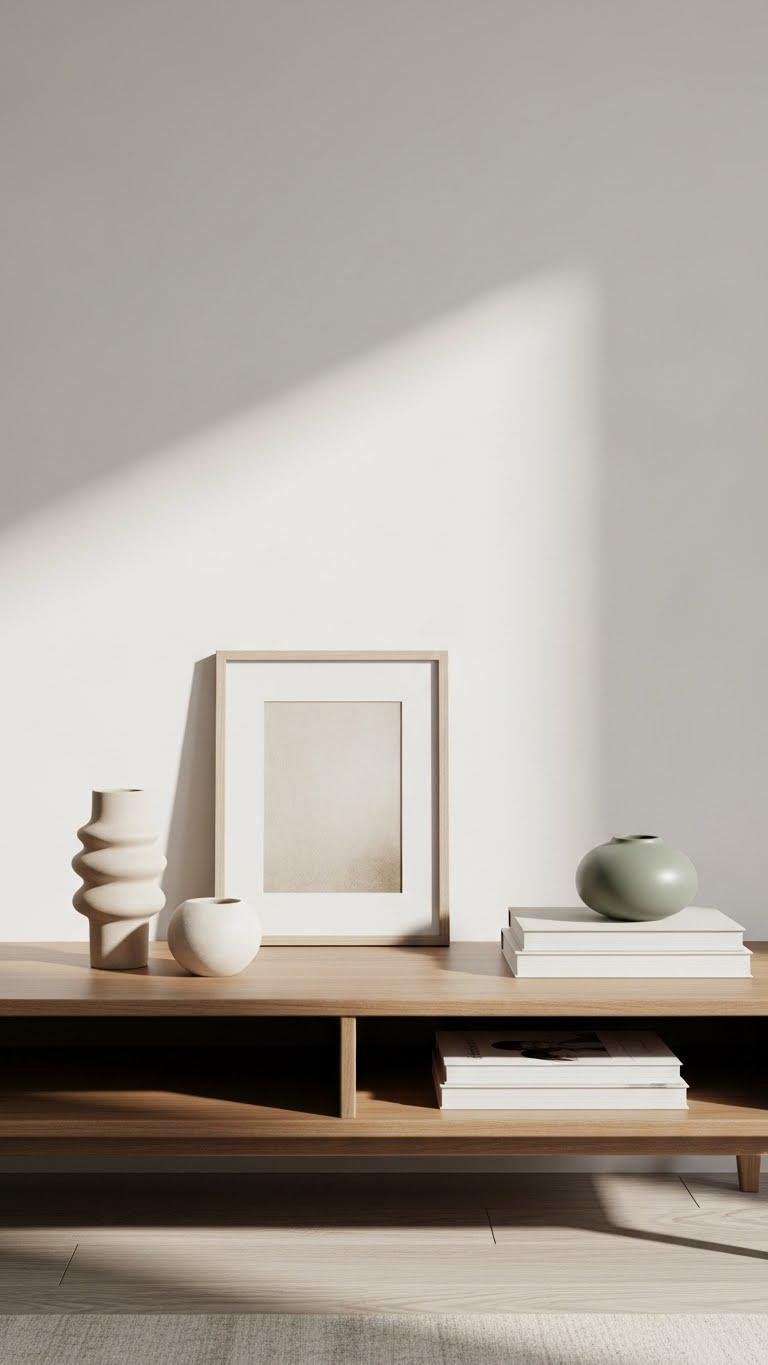
Keep only what tells the room’s story: edit down to a few meaningful pieces and rotate them seasonally so surfaces stay crisp, not crowded. You’ll build curated vignettes — small, intentional groupings that express mood without mess. Limit height and color contrast, leave breathing room, and swap rotating collections to refresh scenes. This keeps your space calm, flexible, and distinctly yours.
Use Vertical Mirrors to Elongate Walls
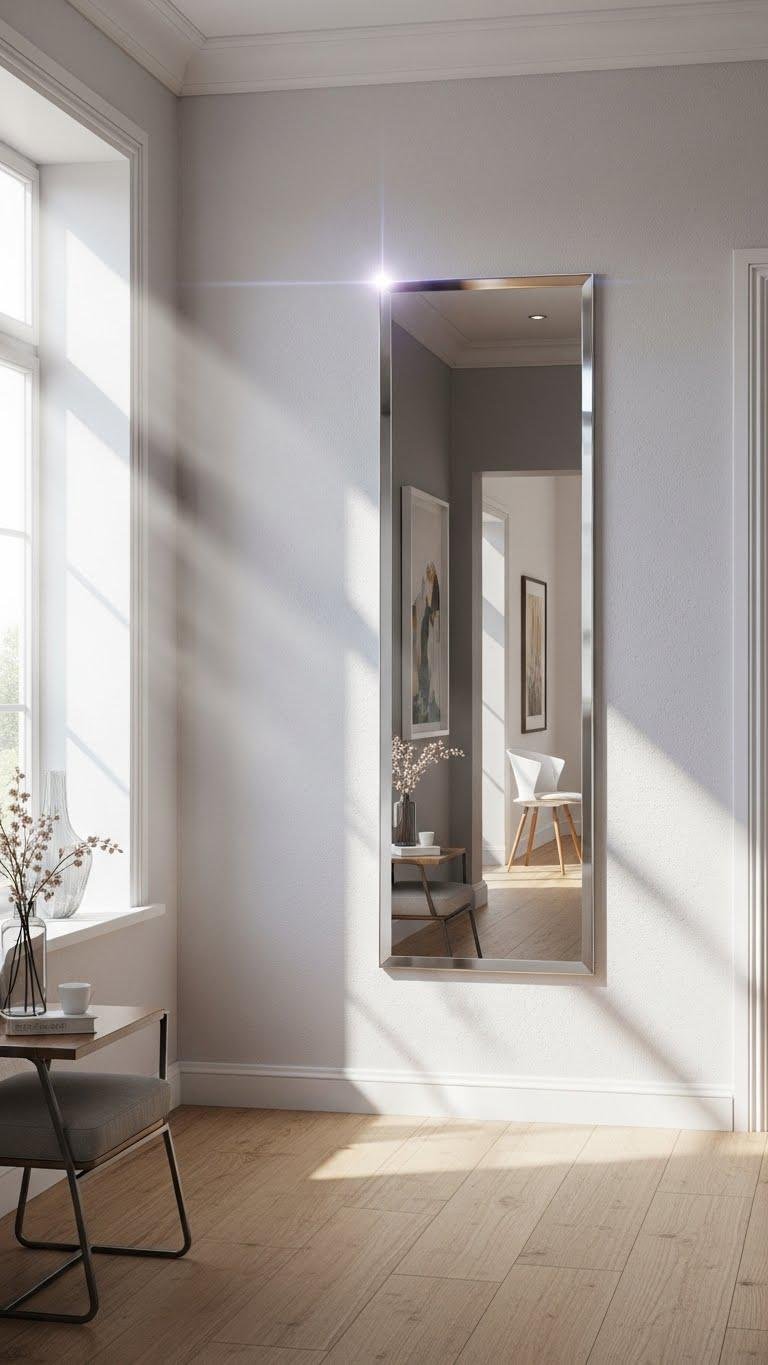
When you mount a tall, narrow mirror vertically, it visually stretches the wall and makes ceiling height feel amplified, so small rooms read as taller and airier.
Choose floor length mirrors with beveled frames to catch light and add polish. Try angled placement near windows or hallways to bounce views, create depth, and free up floor space while keeping the look minimal and modern.
Select Slimline Furniture With Open Legs
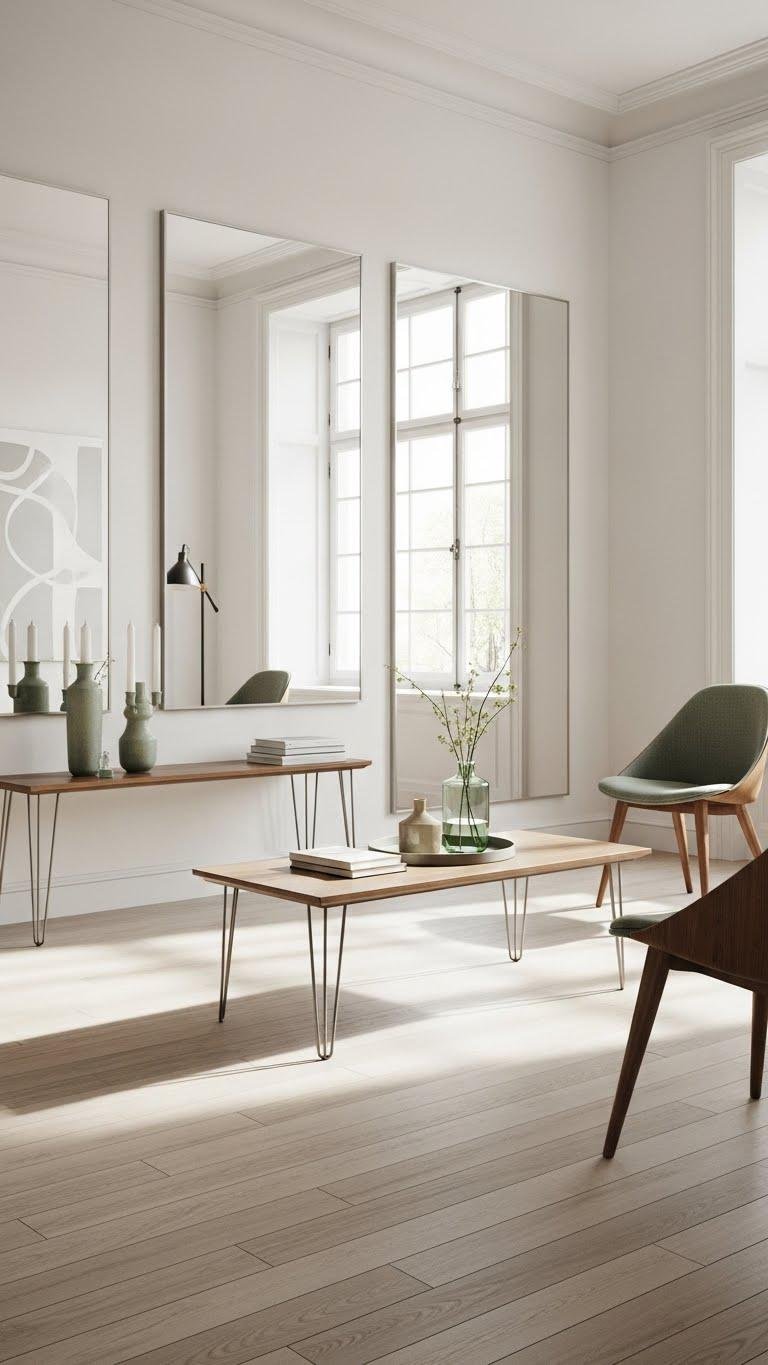
Mirrors help amplify height and light, and pairing them with slimline furniture keeps that airy feeling intact.
Choose pieces with open legs — metal legtables, an airy console and tapered chairs — so sightlines stay free and floors feel broader. You’ll move easily, rearrange on a whim, and keep the room feeling breezy, modern and uncluttered without sacrificing function or style.
Layer Rugs to Define Areas Without Bulk
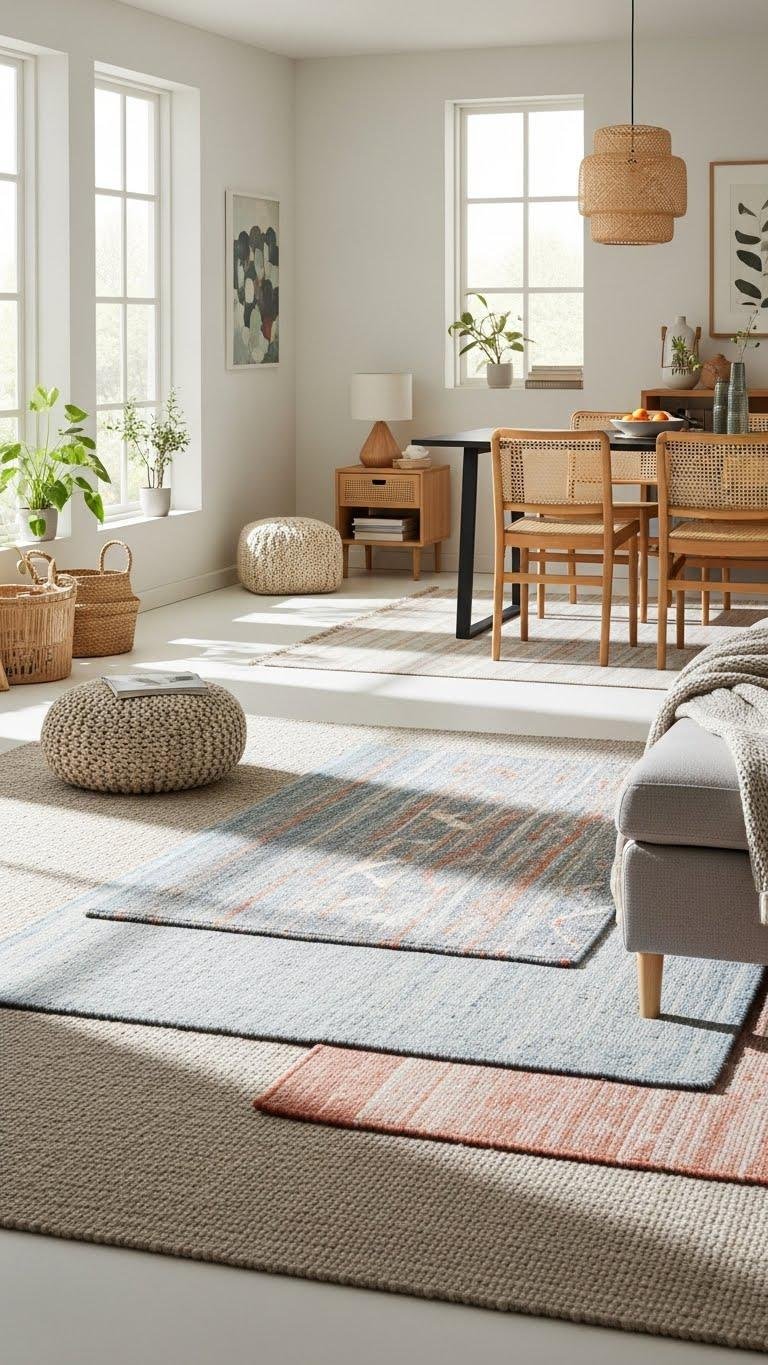
Layer rugs to carve out zones without adding visual weight: start with a low-profile neutral base and top it with a smaller, textured or patterned piece to anchor seating, dining, or a bedside area. You’ll use textured mats for tactile contrast and smart pattern placement to guide flow. This keeps footprint light, feels curated, and lets you rearrange freely for changing moods.
Keep Window Treatments Simple and Light
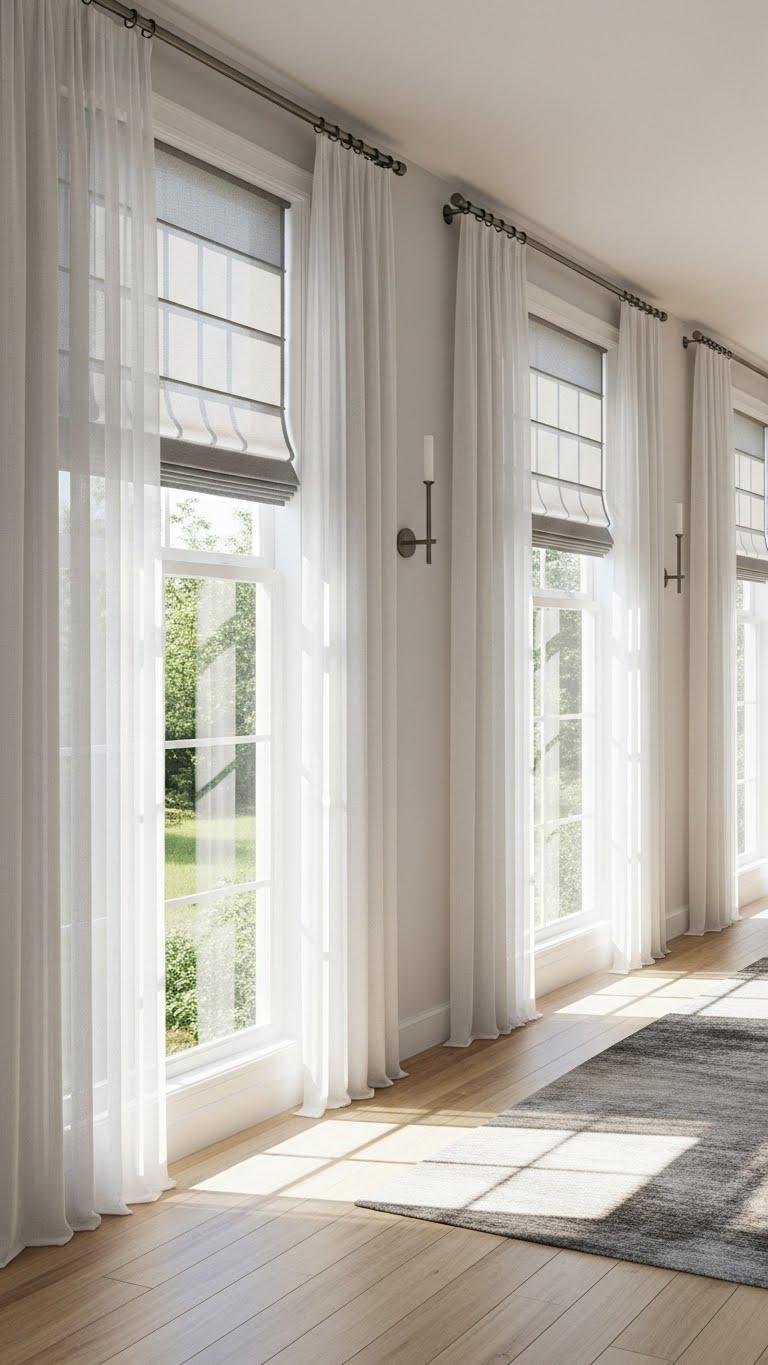
After anchoring zones with low-profile rugs, keep window treatments simple and light to preserve that airy, flexible feel.
You’ll favor sheer panels for soft daylight and a breezy vibe, pairing them with streamlined roman shades for privacy when needed.
Choose neutral tones, minimal hardware, and floor-to-ceiling mounts to elongate walls and keep sightlines open so your space feels free and uncluttered.
Mix Textures to Add Interest Without Overcrowding
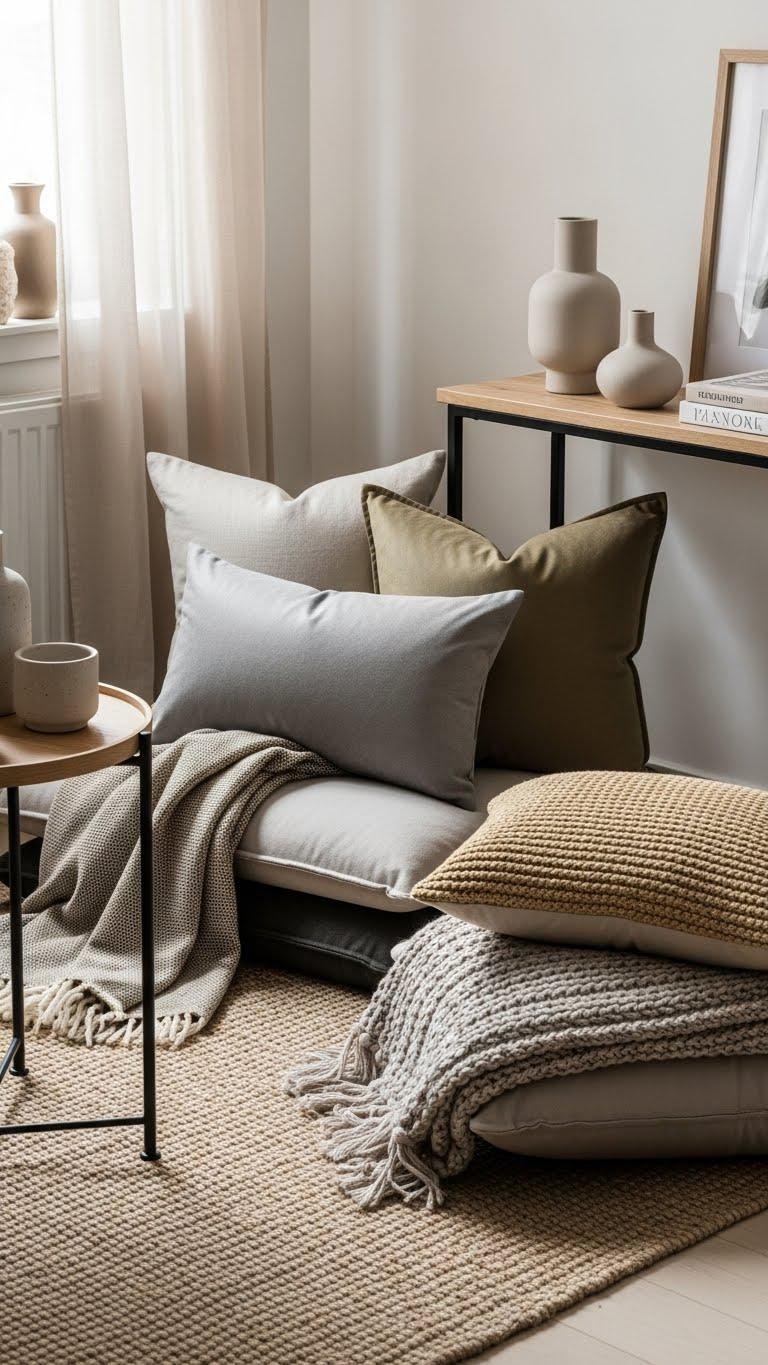
Introduce varied textures strategically to give a small apartment depth without clutter. You’ll layer tactile throws, a low-profile rug, and mixed-finish cushions to create warmth and movement.
Add matte ceramics and a slim wood or metal table for contrast. Keep palettes restrained, surfaces mostly clear, and let a few textured pieces breathe — freedom through curated, airy surfaces and intentional touchpoints.
Highlight Architectural Features as Focal Points
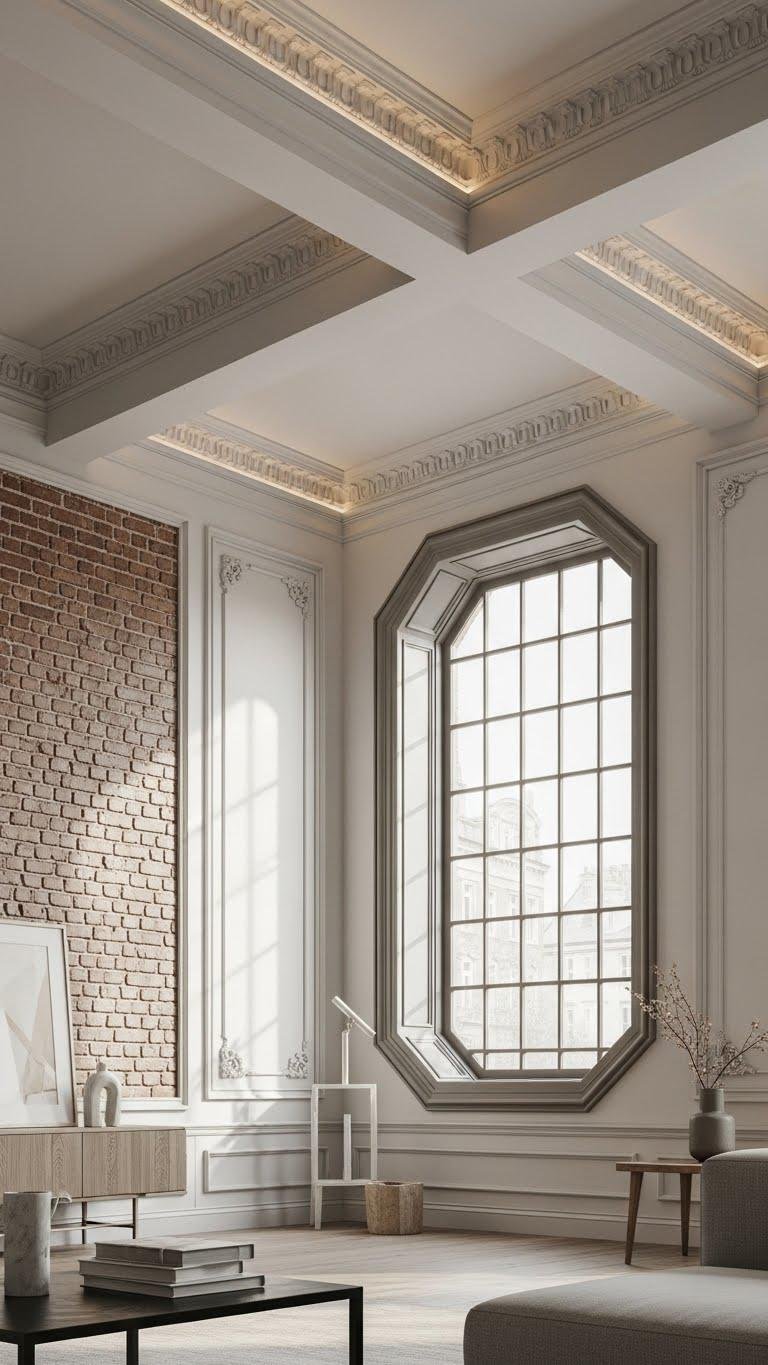
While you focus on furniture and accessories, don’t let original moldings, exposed brick, or a unique window be an afterthought—make them the room’s anchor. You’ll highlight exposed beams or ornate molding with targeted lighting, pared-back decor, and a bold paint choice on trim. Let these elements breathe so the space feels intentional, airy, and unmistakably yours.
Build Storage Upward to Preserve Floor Area
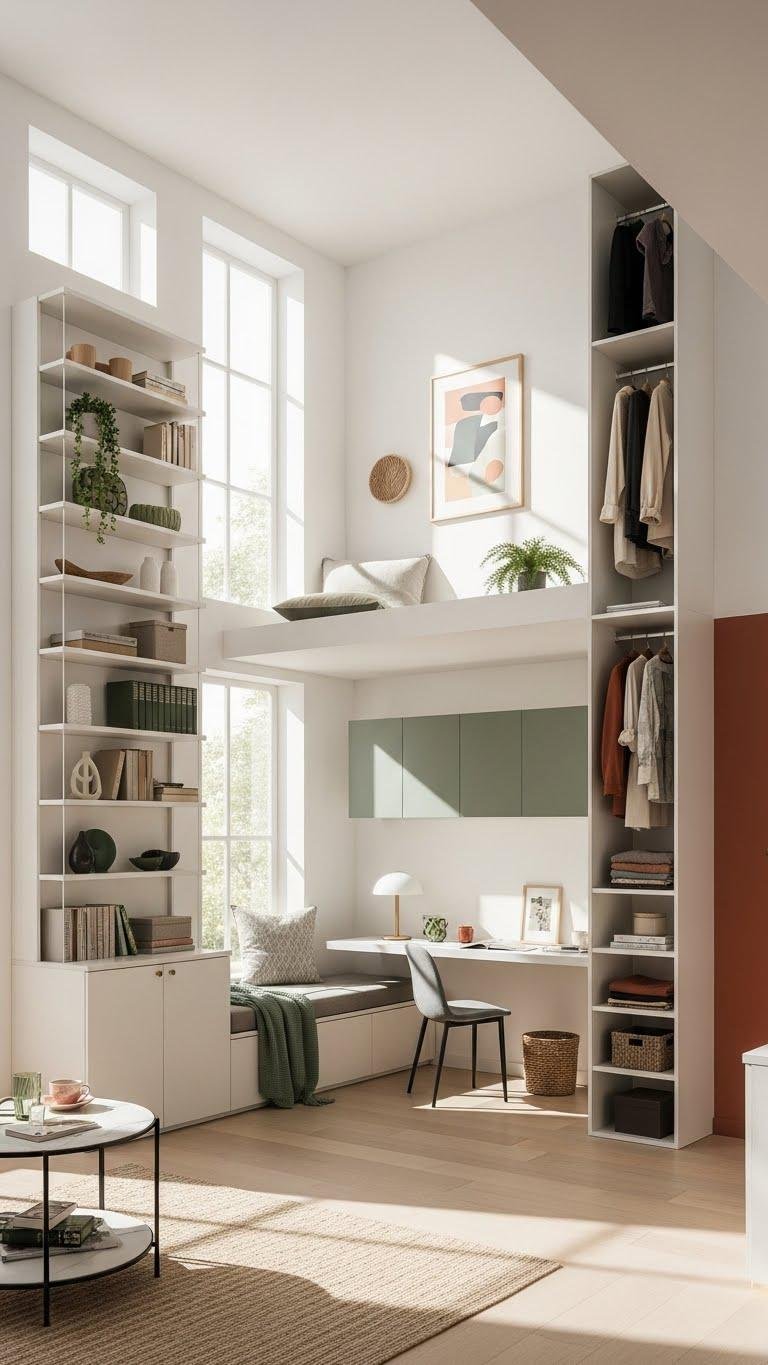
Maximizing vertical space lets you keep floors open and rooms feeling larger—think tall shelving, wall-mounted cabinets, and slim floor-to-ceiling wardrobes that move storage up instead of out.
You’ll anchor a clean look with vertical cabinetry, using open shelves for curated items and hidden cabinets for clutter. Lofted closets create airy zones beneath for seating or a workstation, freeing you to live unboxed.
Choose Convertible Dining Solutions for Guests
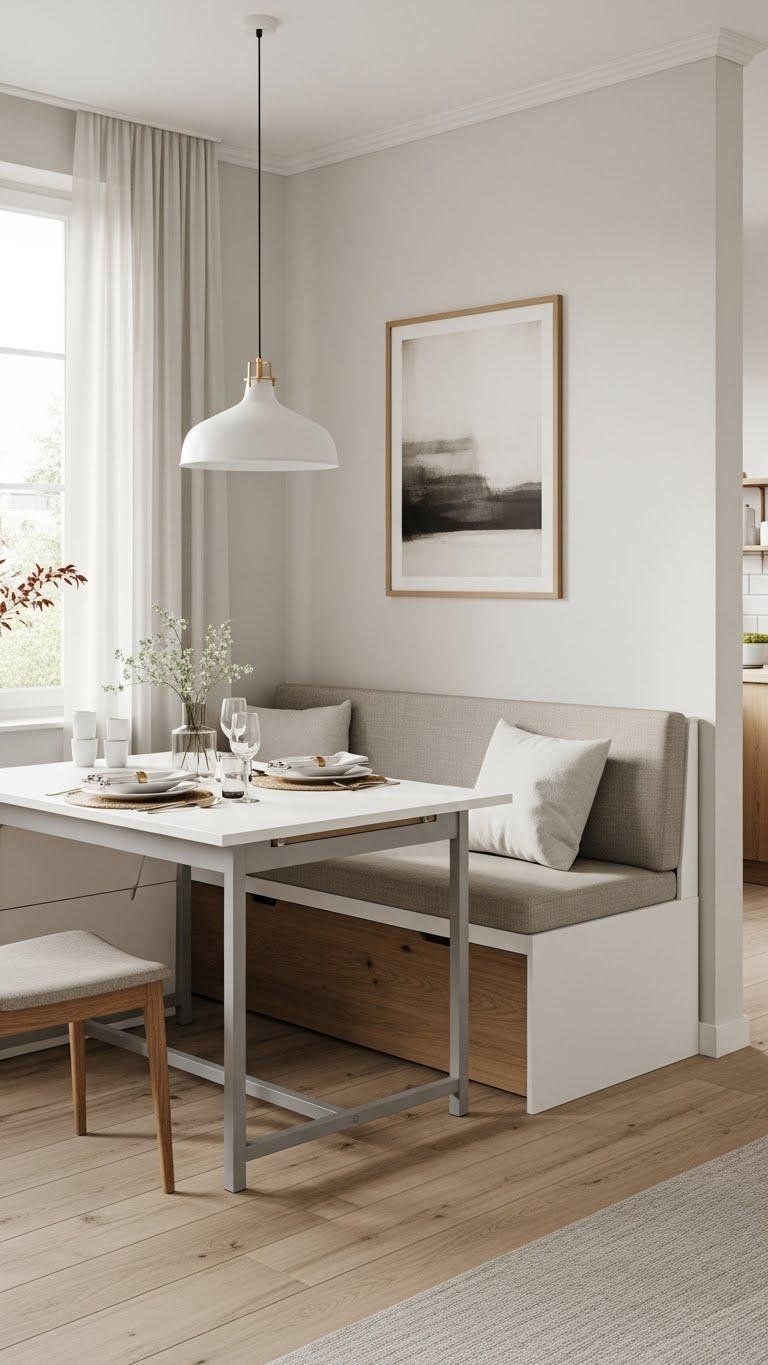
After you lift storage off the floor and free up zones, think about seating that folds into the room when you don’t need it. Choose convertible banquettes with hidden storage and slim profiles, paired with drop leaf tables that expand for guests. You’ll gain flexibility, keep sightlines open, and host on your terms—minimal fuss, maximum style and freedom.
Arrange Furniture to Maintain Clear Pathways

In a small apartment you’ll want to position pieces so they guide movement instead of blocking it.
Keep furniture low and aligned to create clear sightlines, float a sofa to open flow, and favor narrow profiles.
Prioritize compact walkways that let you move freely, arranging zones to feel airy and intentional so your space stays stylish, functional, and unconfined.
Use Color Accents Sparingly to Guide the Eye
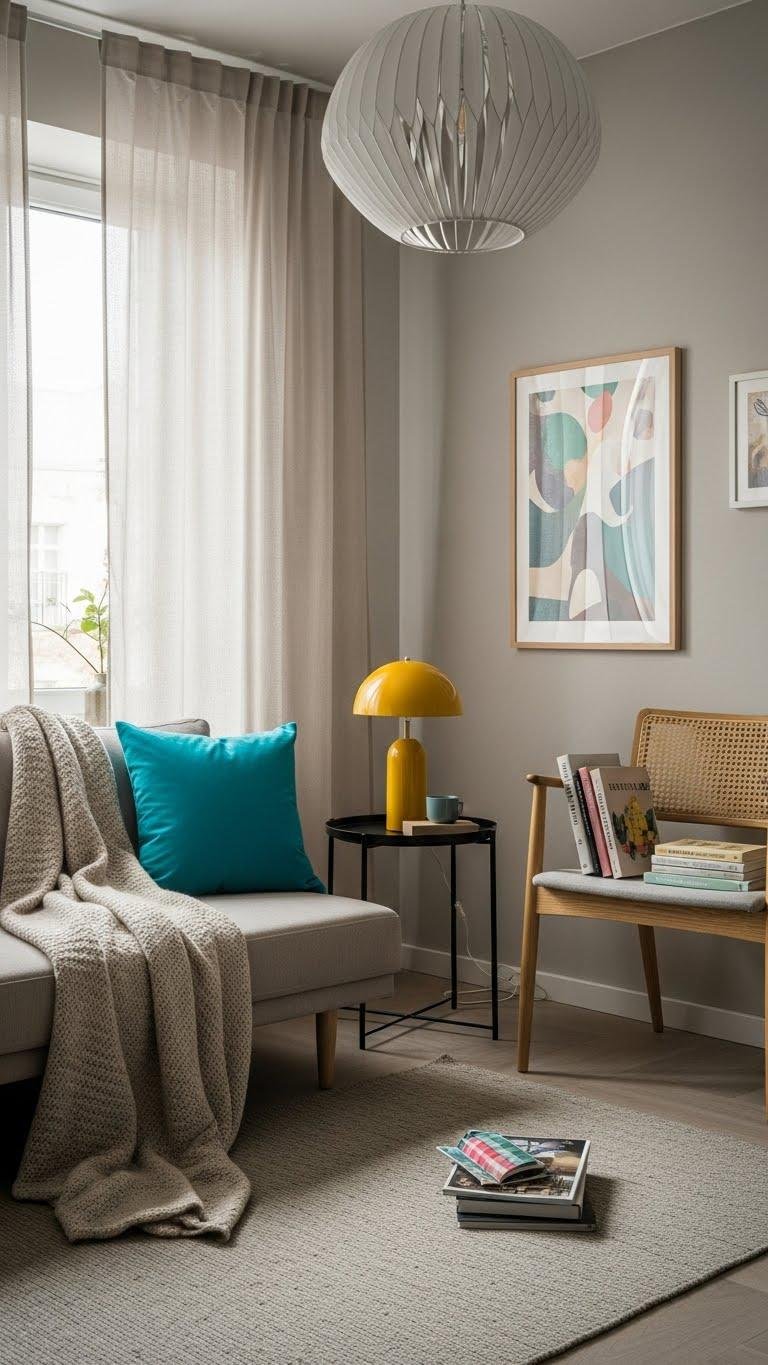
Often, a single well-placed color pop will do more than a room full of competing hues — use accents sparingly to lead the eye and define zones without overwhelming the compact space. You’ll adopt accent sparing deliberately: pick two focal pops — a cushion and a lamp, or art and a rug — then let neutrals and texture do the rest, keeping flow and freedom.
Maintain Minimal Clutter for a Calmer Space
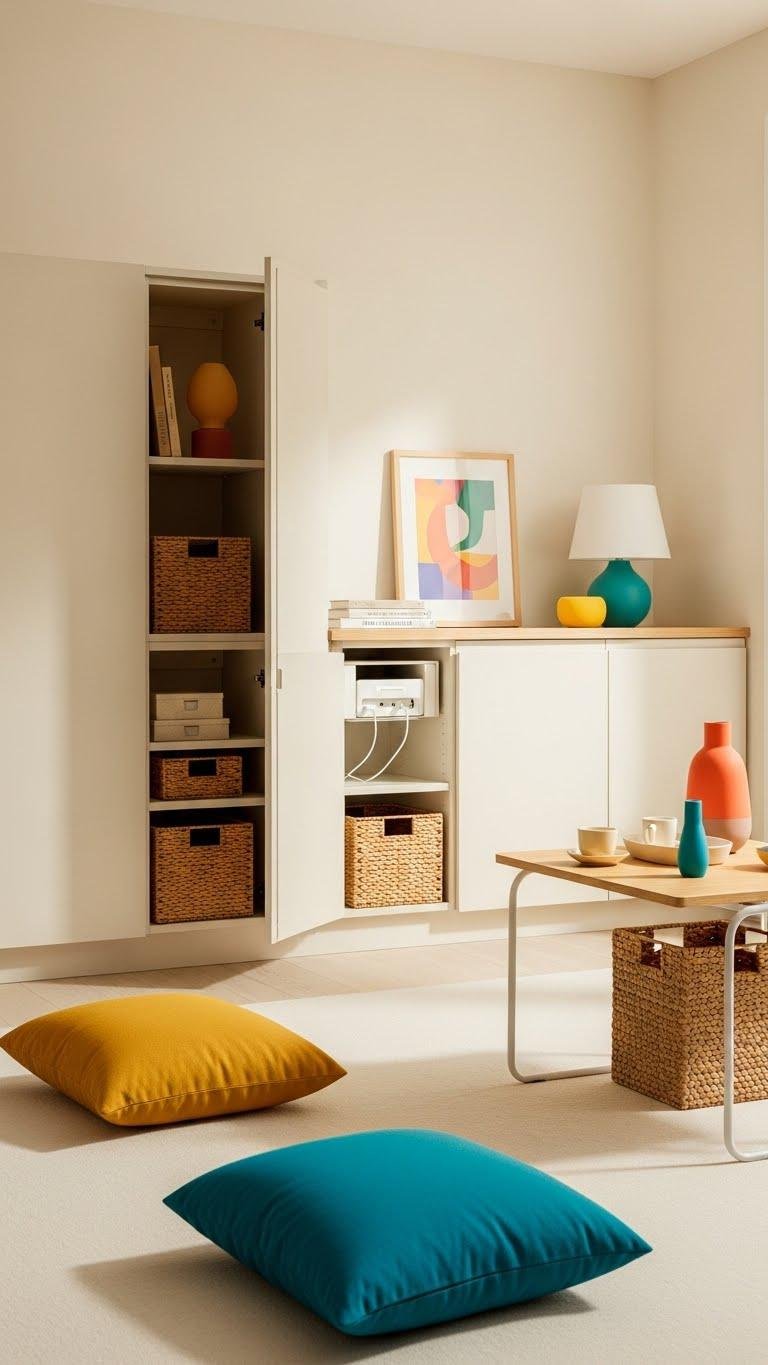
Letting your color accents guide the eye works best when surfaces stay uncluttered, so keep visual noise to a minimum to let those pops sing. You’ll practice intentional editing: daily edits, one-in-one-out, curated essentials. Stow chargers and speakers as hidden tech, use sleek baskets and closed storage, and choose multipurpose pieces. The result feels airy, intentional, and freeing.