
You want a living room that feels bigger, functions smarter and still looks put together. Start by picking multiuse furniture, keep sightlines open and move storage off the floor. Small-scale pieces, tall shelving and clever wall mounts will stretch the space without cluttering it. I’ll walk you through 26 practical ideas that balance style and utility — and show how a few thoughtful swaps can change everything.
Choose Multiuse Furniture Pieces
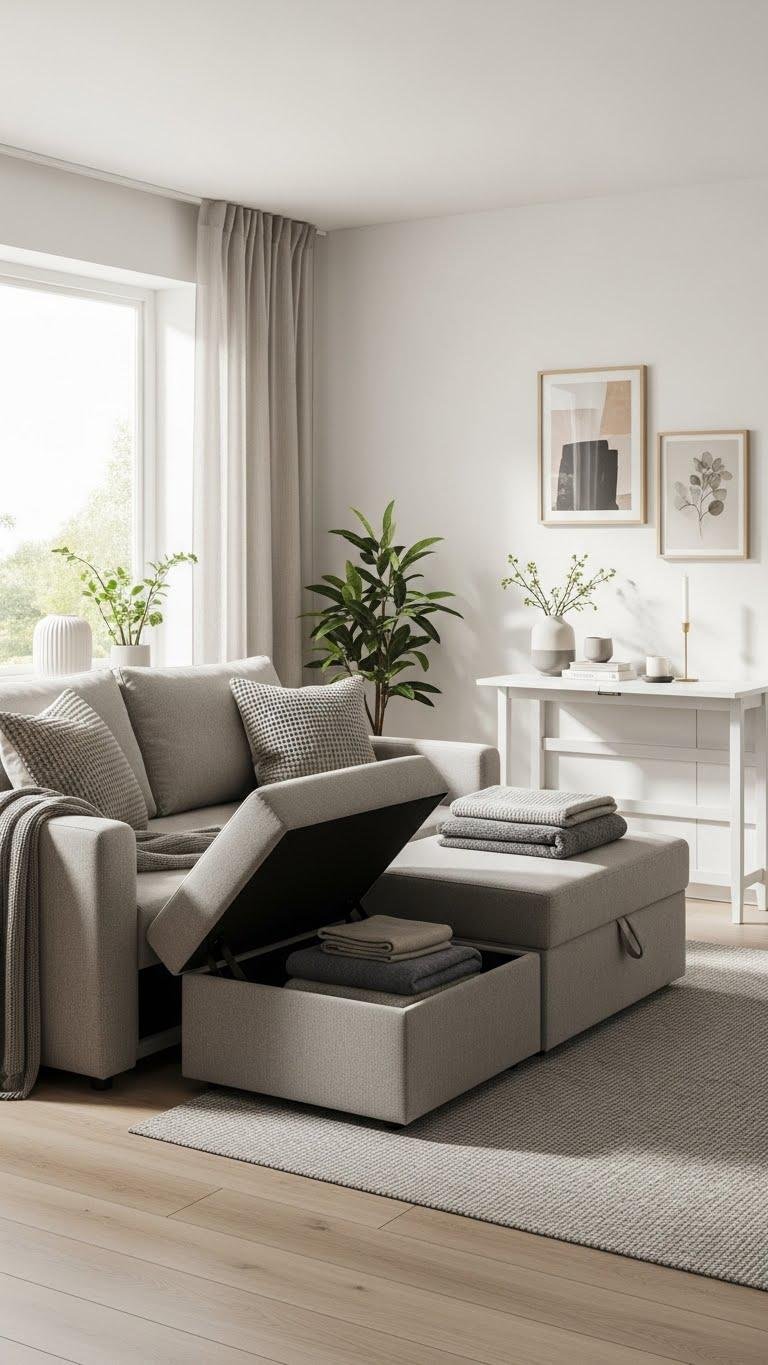
Maximize every inch by choosing furniture that pulls double duty: a sleeper sofa for guests, an ottoman with storage, or a slim console that flips into a dining table. You’ll pick a convertible ottoman to stash blankets and serve as seating, and a folding console to expand prep space or disappear against a wall. Freeing choices keep your room open and flexible.
Create a Clear Traffic Flow
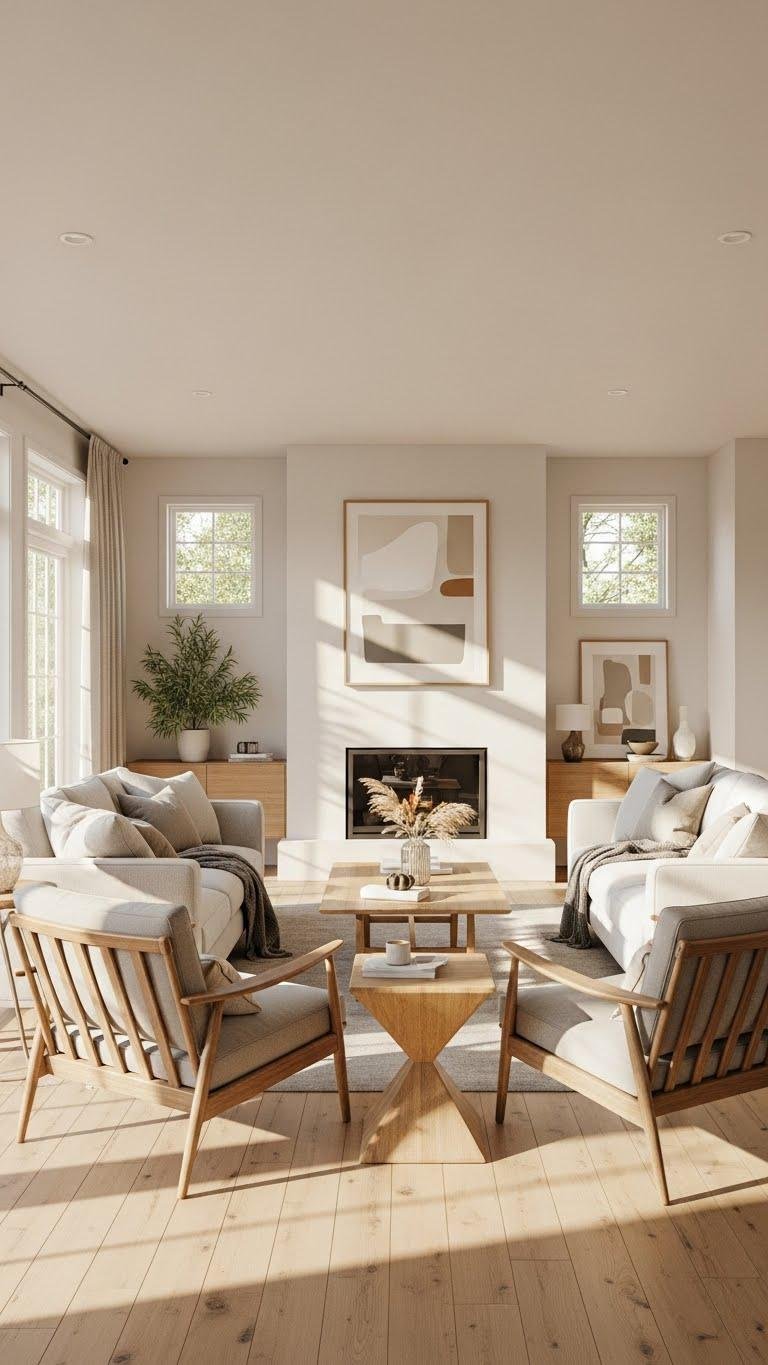
Use Wall-Mounted Storage

Mount wall-mounted storage to free floor space and keep your small living room feeling airy and organized.
You’ll reclaim room with magnetic keyholders near the entry, mounted coathooks for scarves and bags, and slim wall cabinets for media and books.
Choose streamlined finishes, arrange items with intention, and enjoy a liberated, clutter-free space that feels larger and moves with your life.
Opt for Floating Shelves
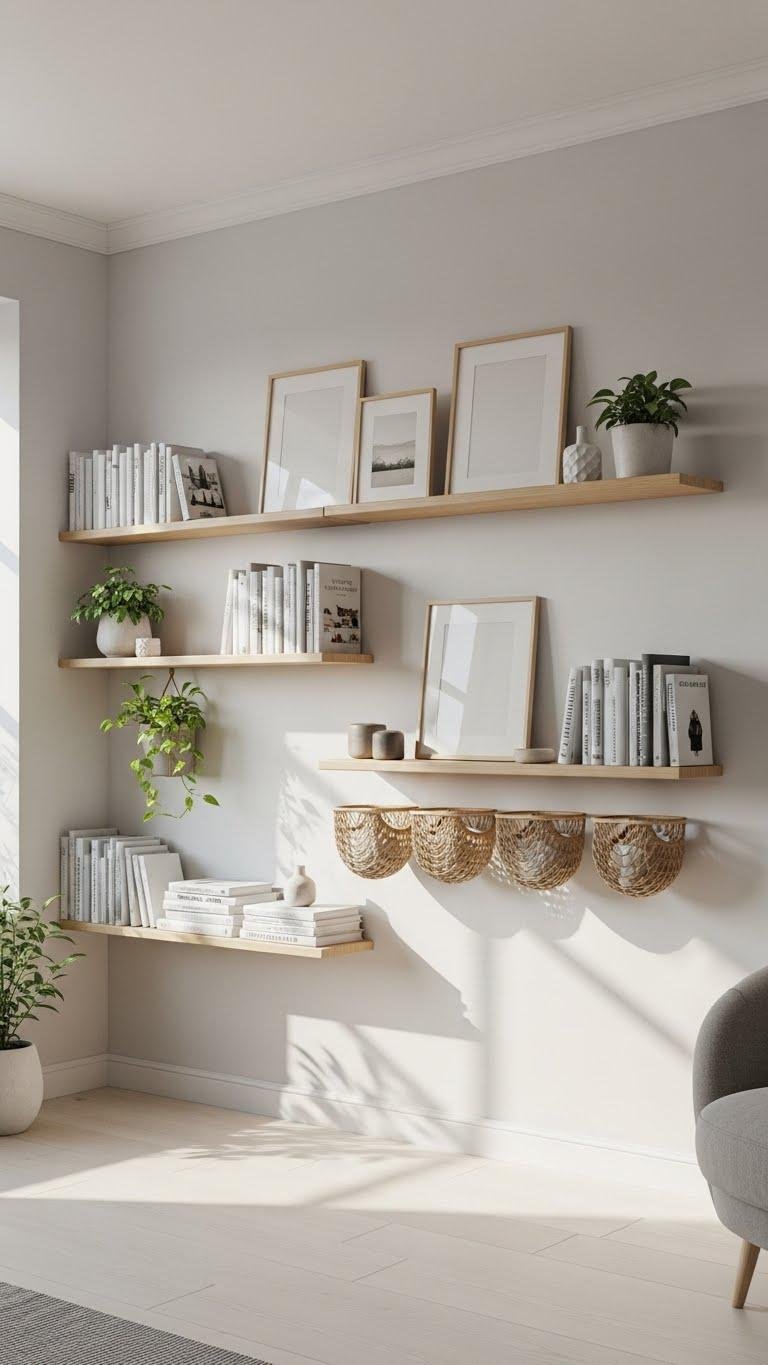
Floating shelves lift storage and display off the floor, instantly opening sightlines and giving your small living room a lighter, more curated feel.
You’ll free up floor space by mounting slim shelves for books, plants, and floating baskets.
Arrange staggered prints above or between shelves for rhythm, keep styling minimal, and rotate items seasonally so your space feels open, personal, and effortlessly free.
Install a Compact Media Console
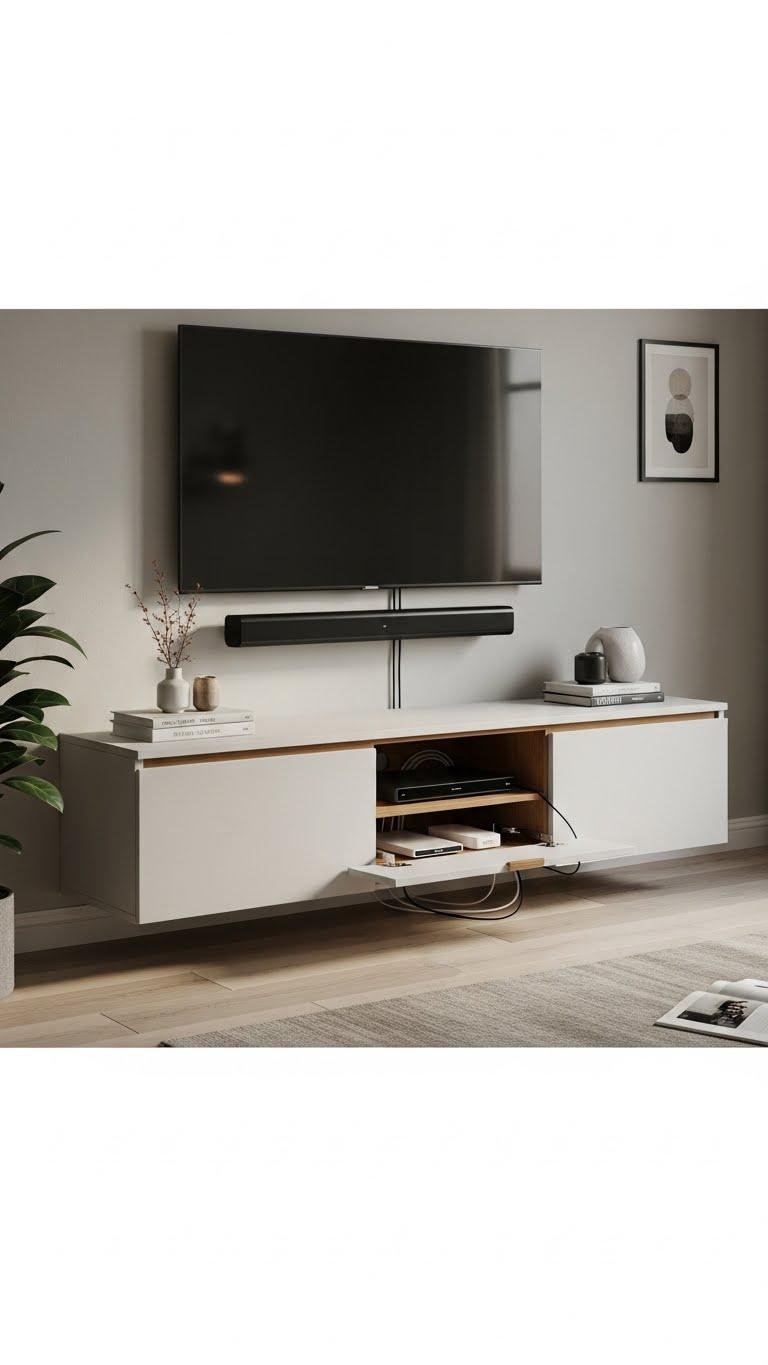
Keep your media setup slim and purposeful with a compact console that fits the scale of your room and hides clutter. You’ll tuck devices behind panels, route cords through cable management channels, and mount a thin soundbar for clear audio. Choose units with wall ventilation, hidden brackets, and drawers for remotes. This keeps sightlines open and lets you move freely in a tidy, functional space.
Pick Nesting and Stackable Tables
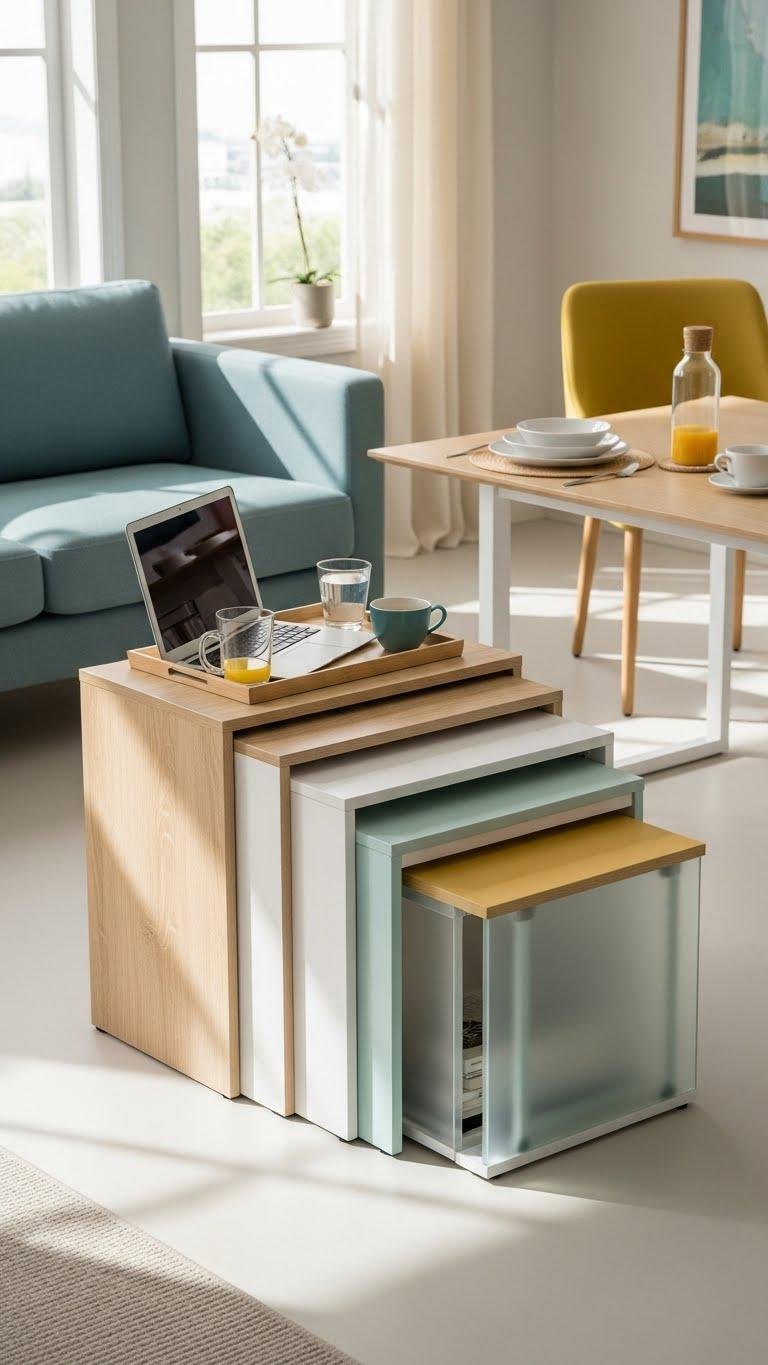
Look for nesting and stackable tables that tuck away when you need floor space but expand quickly for drinks, laptops, or an impromptu dinner. You’ll appreciate compact nesting sets that free up movement and modular stacking pieces that adapt to tasks or guests. Choose lightweight materials and clean lines so you can rearrange instantly, keep sightlines open, and live with flexible, uncluttered freedom.
Place an Area Rug to Define Zones
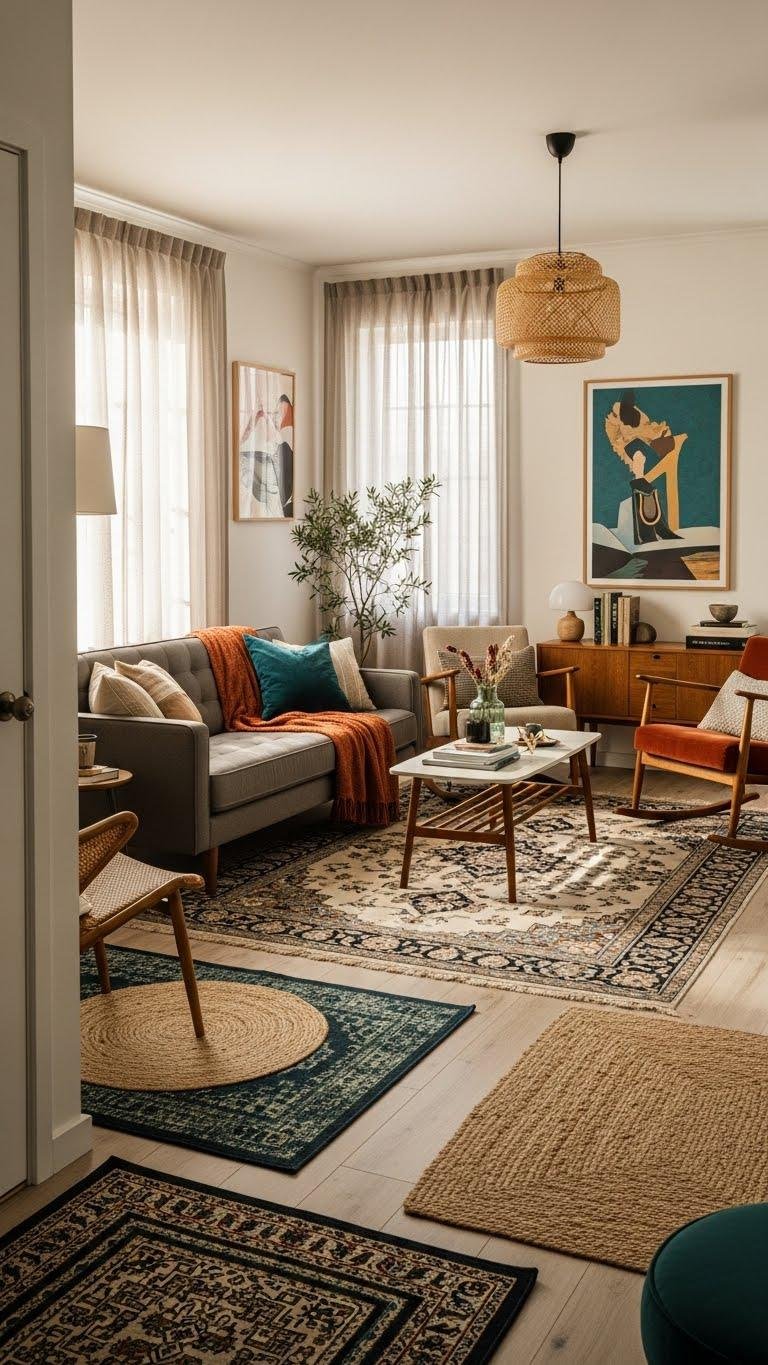
Hang Curtains High and Wide
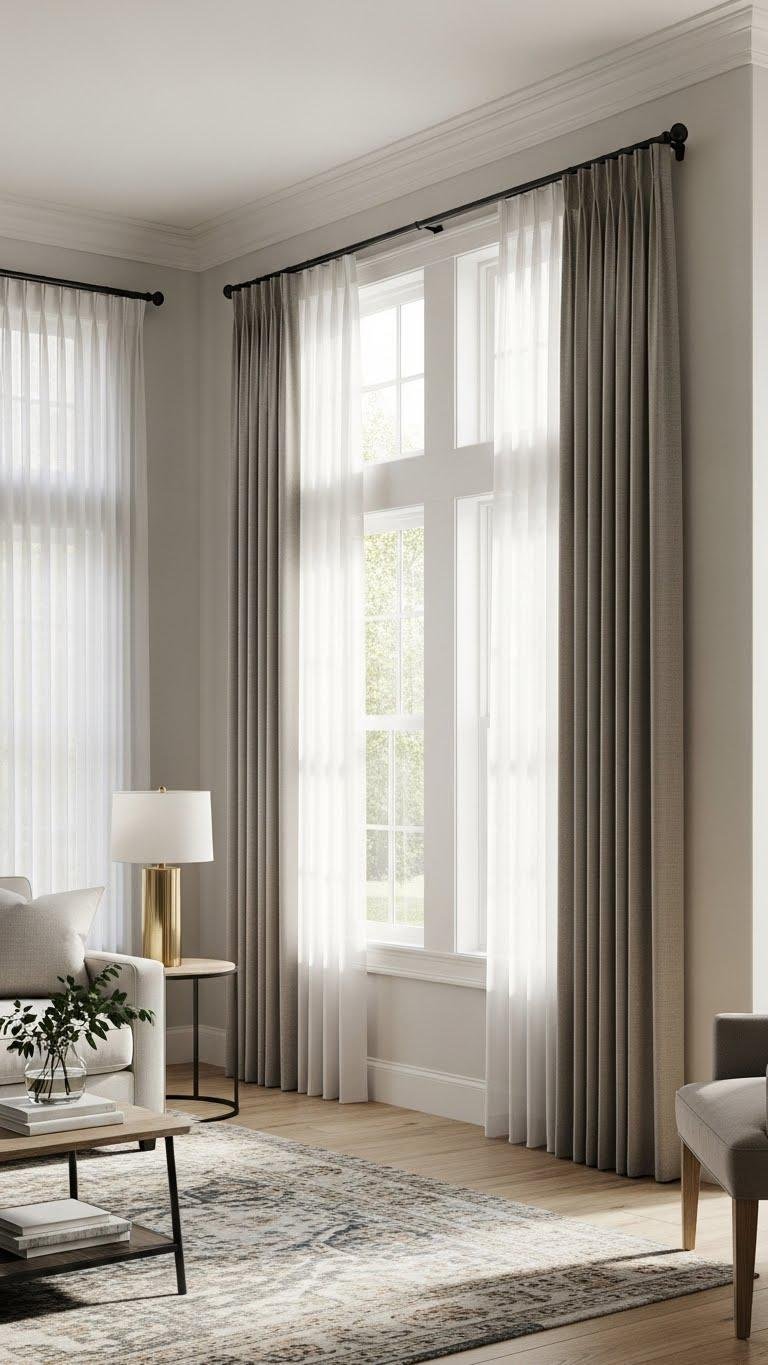
After anchoring your seating and zoning the room with rugs, raise the visual ceiling and widen the window with curtains hung high and wide.
Mount drapery hardware near the crown, extend rods beyond the frame, and choose pleat styles that suit your vibe. You’ll let light flow, create airy scale, and keep a liberated, uncluttered feel while maximizing perceived space.
Maximize Corners With Shelving
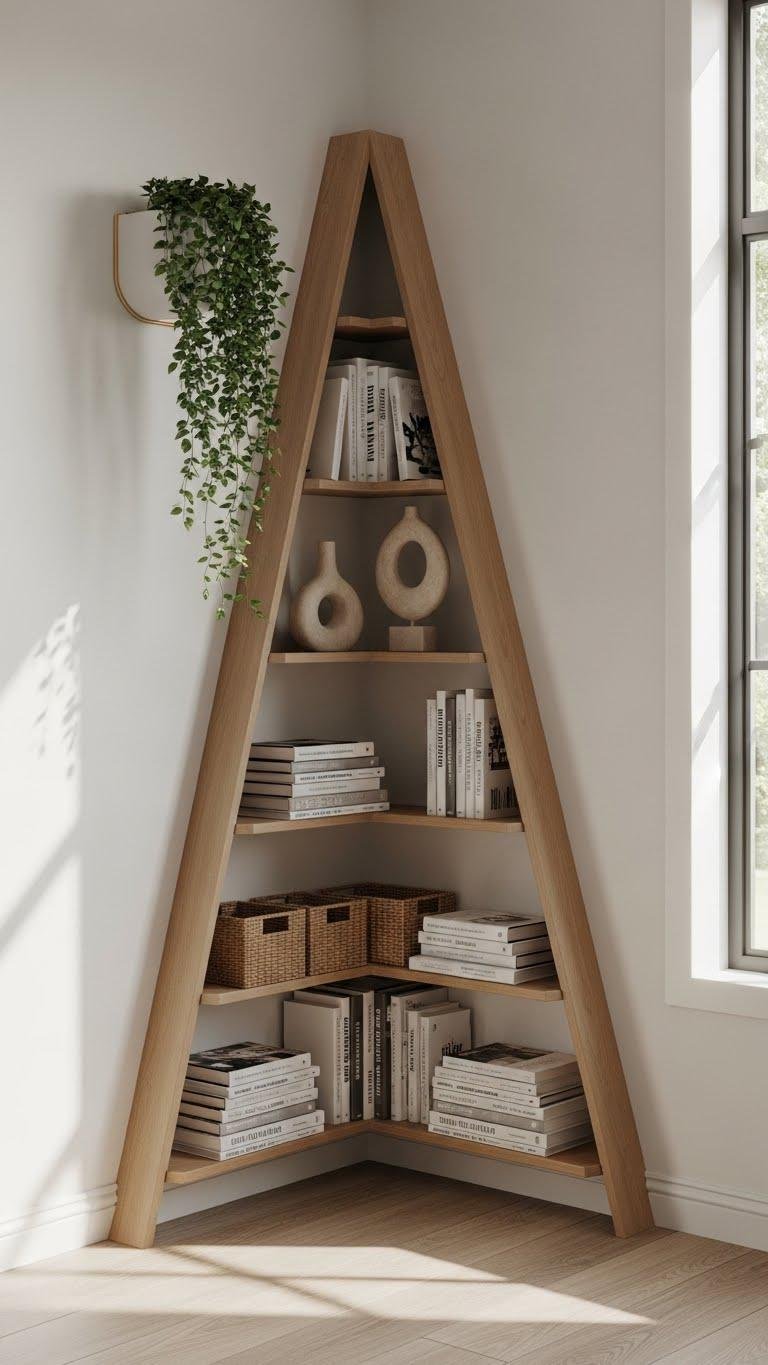
Don’t let corners go to waste — install shelving to turn them into purposeful display and storage zones that lift the room’s profile.
You’ll free floor space with triangular bookcases, stack essentials vertically, and add life with corner mounted planters.
Choose slim, open designs to keep sightlines clear, balance function with artful styling, and enjoy a freer, uncluttered living area.
Embrace Light, Reflective Colors

How much bigger could your living room feel if you swap heavy hues for light, reflective colors? Choose a soft neutral palette to open sightlines and create calm.
Paint, pale textiles, and mirrors bounce daylight; reflective metallics on accents and frames add sparkle without clutter. You’ll free visual space, keep pieces minimal, and enjoy a breezy, airy room that feels effortlessly expansive.
Layer Lighting for Depth
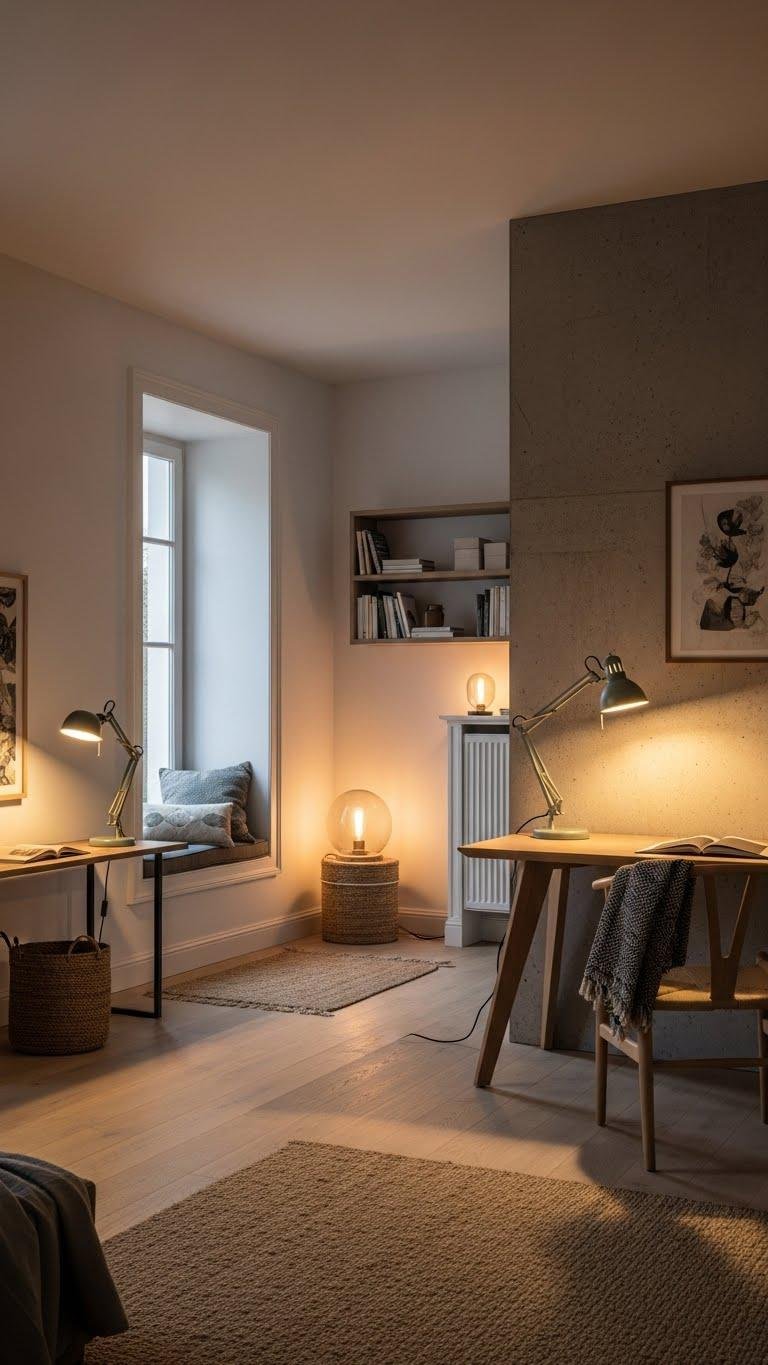
Once you’ve brightened walls and surfaces, lighting becomes the tool that sculpts that openness into depth.
You’ll use ambient layering to set mood, add task lights where you read or work, and place accent pieces to highlight texture. Establish a clear fixture hierarchy so each source serves purpose.
This gives you freedom to shape space without clutter or compromise.
Use Mirrors to Amplify Space
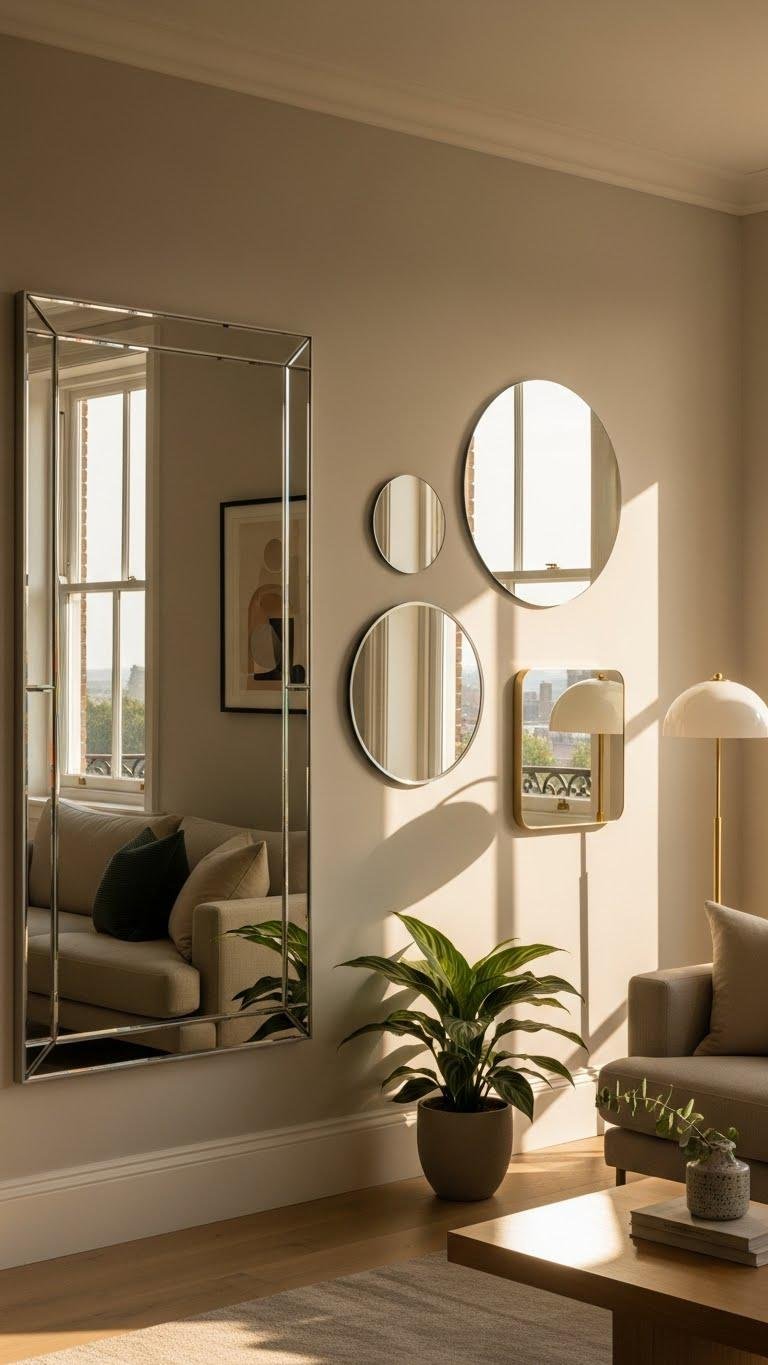
Hang mirrors to bounce light and visually stretch your room—position them opposite windows to double brightness or near a lamp to amplify warm pools of light. Choose a Venetian mirror for glamour without clutter, or pair smaller mirrors for flexibility.
Use angled placement to reflect vistas, create depth, and give you freedom to rearrange layouts while keeping the space airy and intentional.
Keep Furniture Legs Exposed
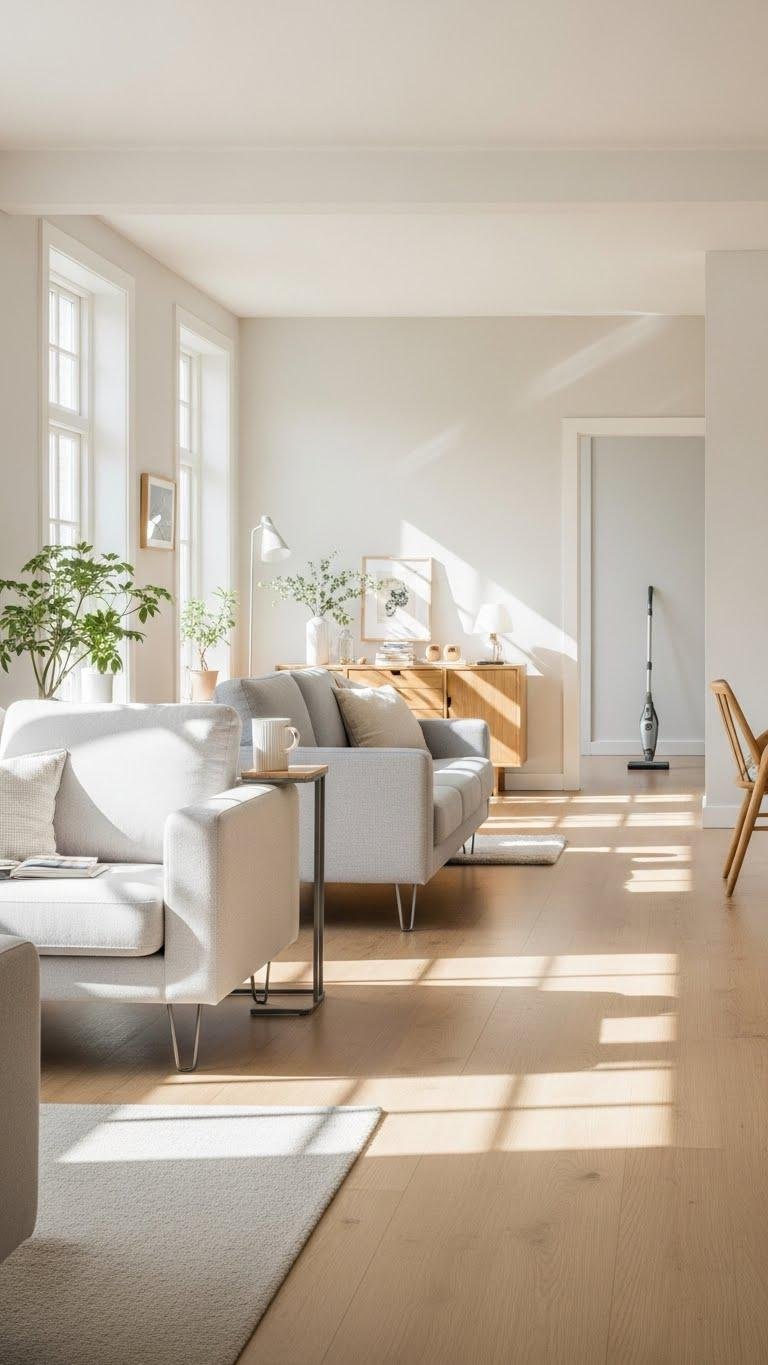
Mirrors help expand light and sightlines, but your furniture choices keep the room feeling airy—so pick pieces with exposed legs.
You’ll foster visual openness and a sense of freedom, choosing raised seating that feels light instead of bulky.
Exposed legs create airflow benefits, make cleaning easier, and let you arrange flexible layouts that keep movement flowing and the room uncluttered.
Go Vertical With Tall Bookcases
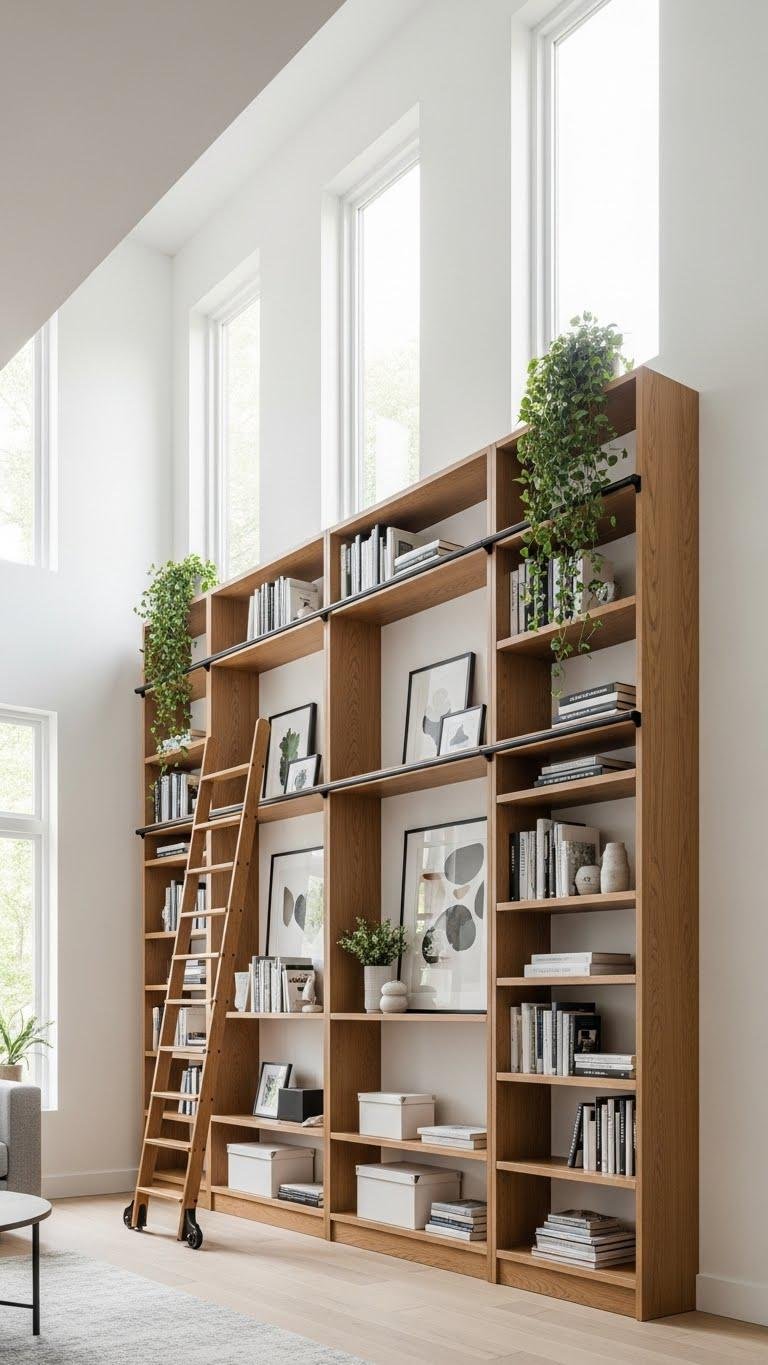
Think upward: install tall bookcases to draw the eye to the ceiling and free up precious floor space. You’ll create clean vertical lines that expand the room, display books and art, and add vertical greenery on upper shelves.
Choose airy finishes and slim profiles, and use narrow ladders for access. This keeps the floor open, feels liberating, and maximizes storage without clutter.
Add Built-In Seating With Storage
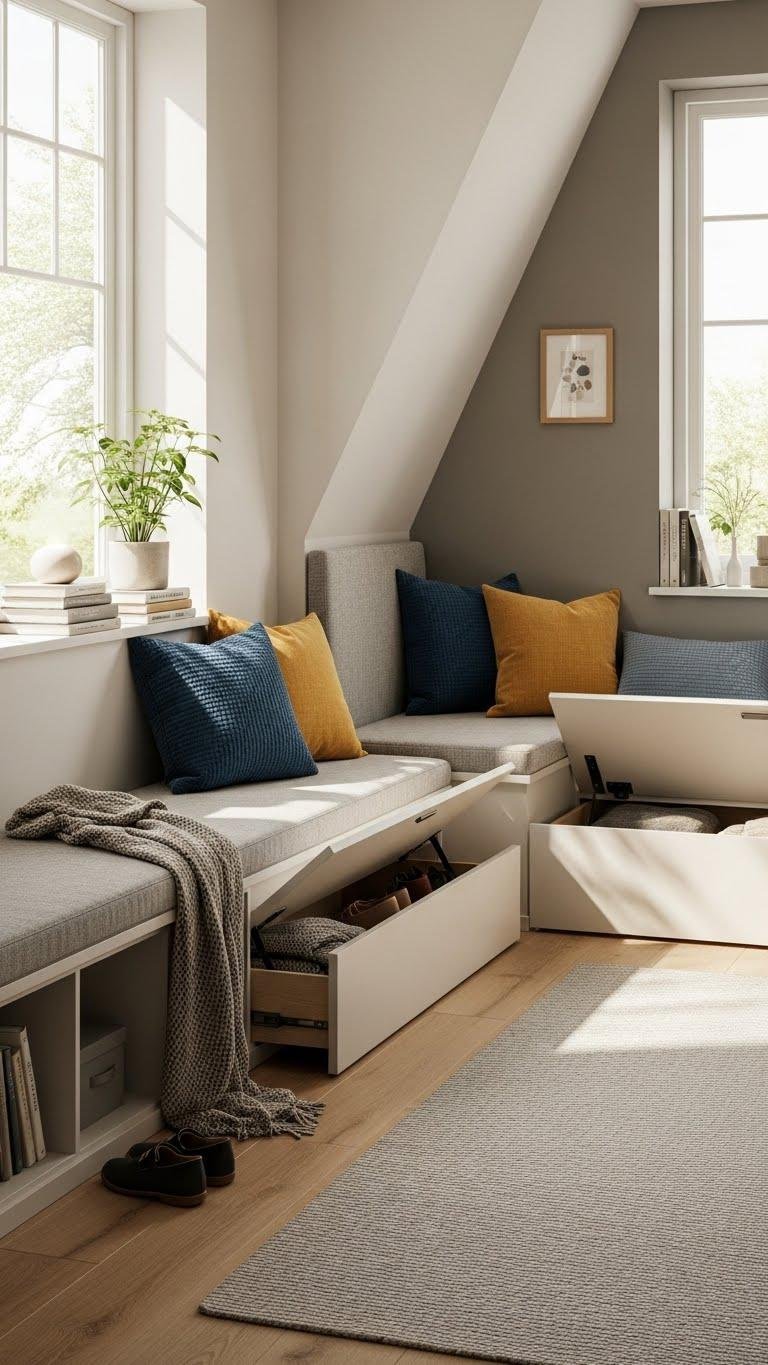
If tall bookcases free up floor space, built-in seating makes that cleared area work harder: benches, window seats, or banquettes give you comfy spots while hiding storage beneath. You’ll love bench cubbies for shoes, throws, or toys, and a corner banquette turns wasted angles into cozy, organized nooks. Choose durable cushions, hidden lids or drawers, and keep lines clean to stay flexible.
Choose Slimline, Low-Profile Sofas
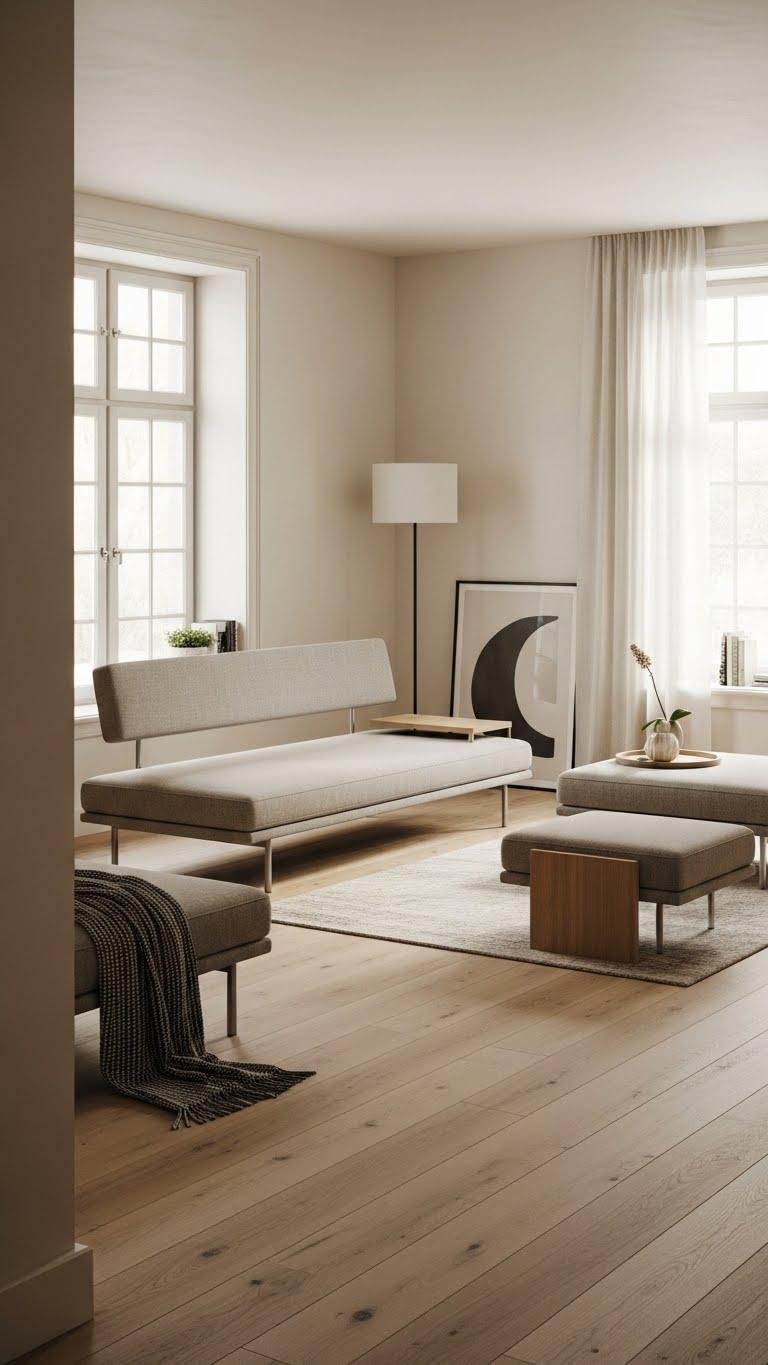
Go for a slimline, low-profile sofa to keep a small living room feeling open and effortless—its reduced depth and lower back let sightlines flow and make the space seem larger without sacrificing seating.
Choose streamlined upholstery, pair a compact chaise for lounging, and add a modular ottoman that doubles as extra seating or a footrest. You’ll keep movement easy and style uncluttered.
Incorporate Fold-Down Tables and Desks

Tucked neatly against a wall or folded under a shelf, a fold-down table gives you usable surface area when you need it and disappears the rest of the time, keeping a small living room uncluttered and flexible. You’ll create a wall mounted workspace for laptops or a fold flat dining spot for guests, freeing floor space and letting your room adapt to work, meals, or relaxation.
Use Statement Art to Draw the Eye Upward
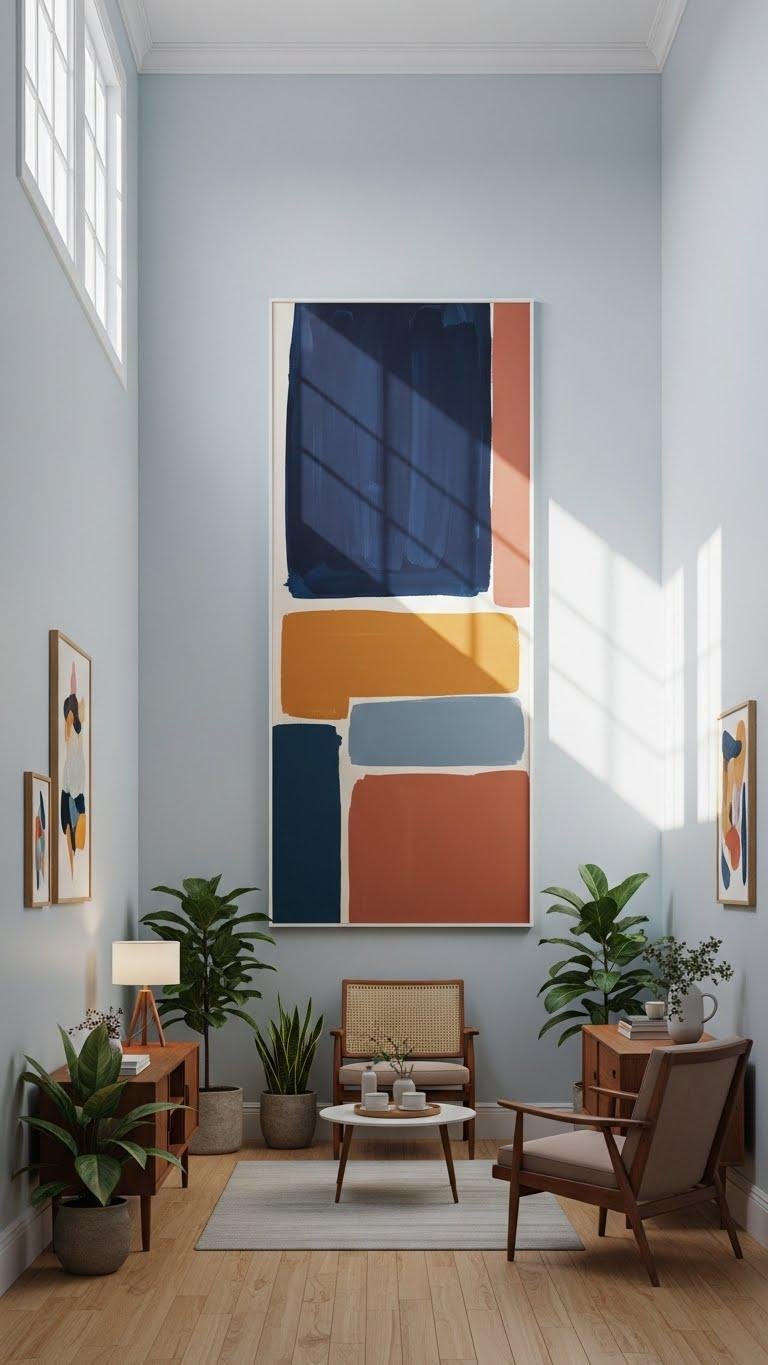
Drawing the eye upward with a bold piece of art makes your small living room feel taller and more intentional.
Choose a vertical gallery or a single oversized canvas to lift sightlines and create airy focus. You’ll free floor space by relying on wall impact, keep arrangements minimal, and let a confident artwork anchor the room so it reads spacious and deliberately curated.
Zone With Patterns and Textures
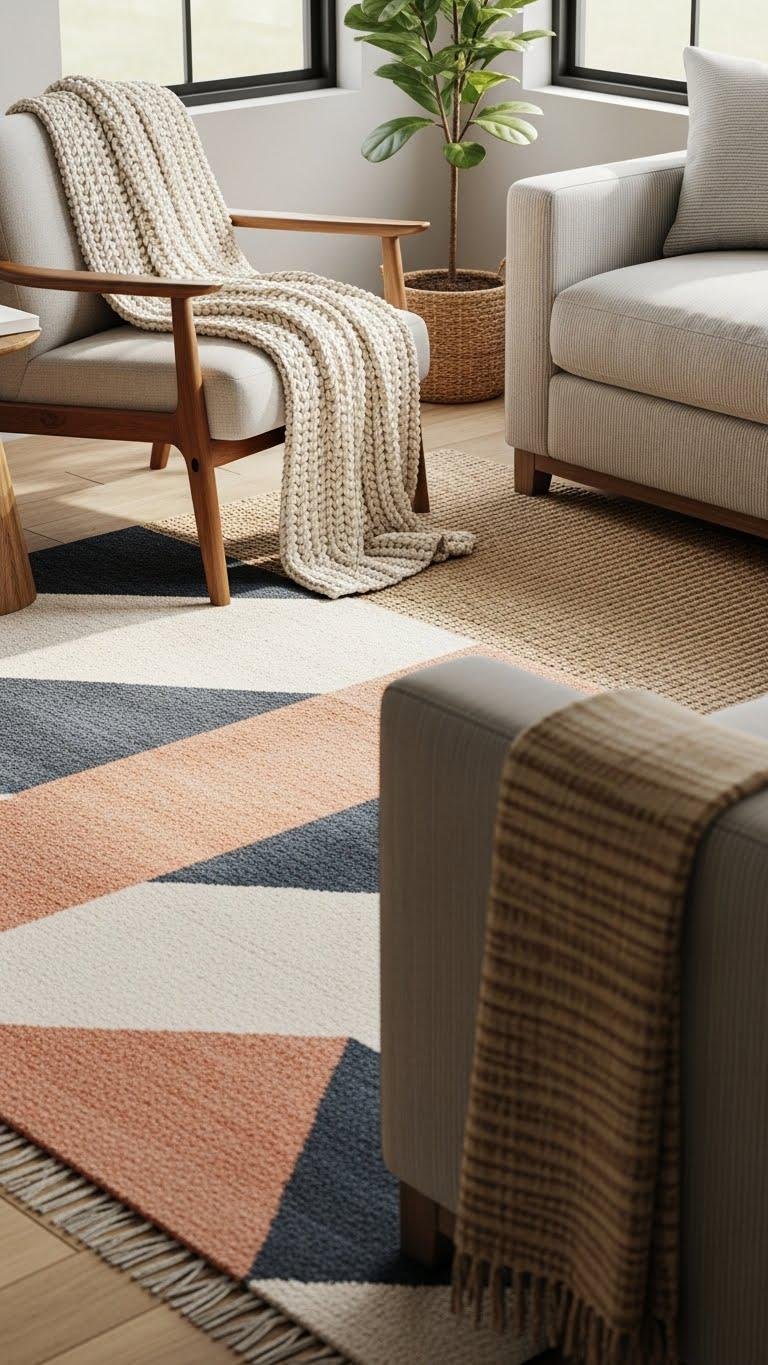
When you layer patterns and textures thoughtfully, you create distinct zones without walls—soften a reading nook with a chunky knit throw and geometric rug, then define the main seating with a low-pile sisal and a subtle striped sofa.
Embrace pattern layering and texture mixing to guide movement, set mood, and keep the space airy. Choose a restrained palette and varied scale for freedom and cohesion.
Opt for Transparent or Open-Frame Pieces
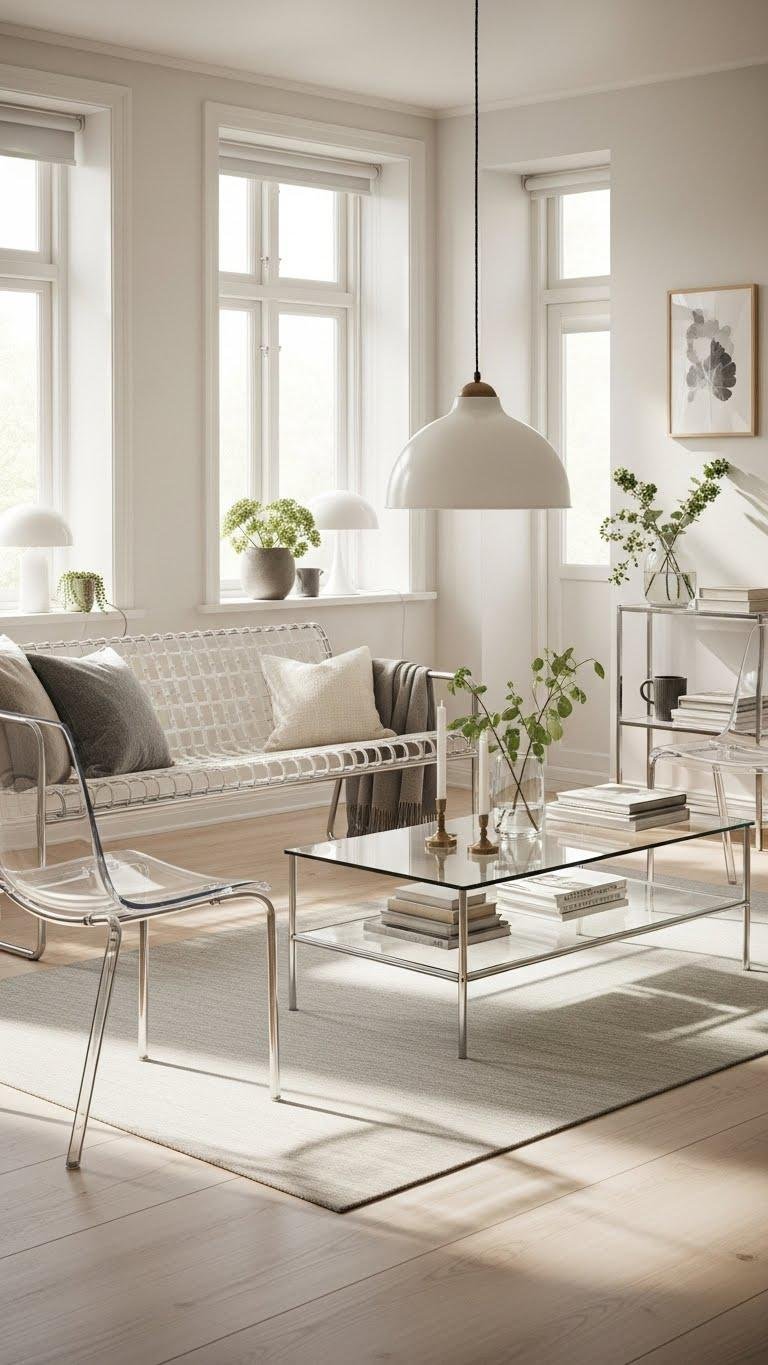
Although small rooms benefit from every square inch, you can keep the feeling open by choosing transparent or open-frame furniture that reads as less visual weight. Pick glass furniture and open frame seating to let light pass and sightlines flow, creating freedom to move. Slim metal or acrylic bases and airy silhouettes give function without crowding, so your space feels calm and unconfined.
Conceal Clutter With Ottomans and Baskets
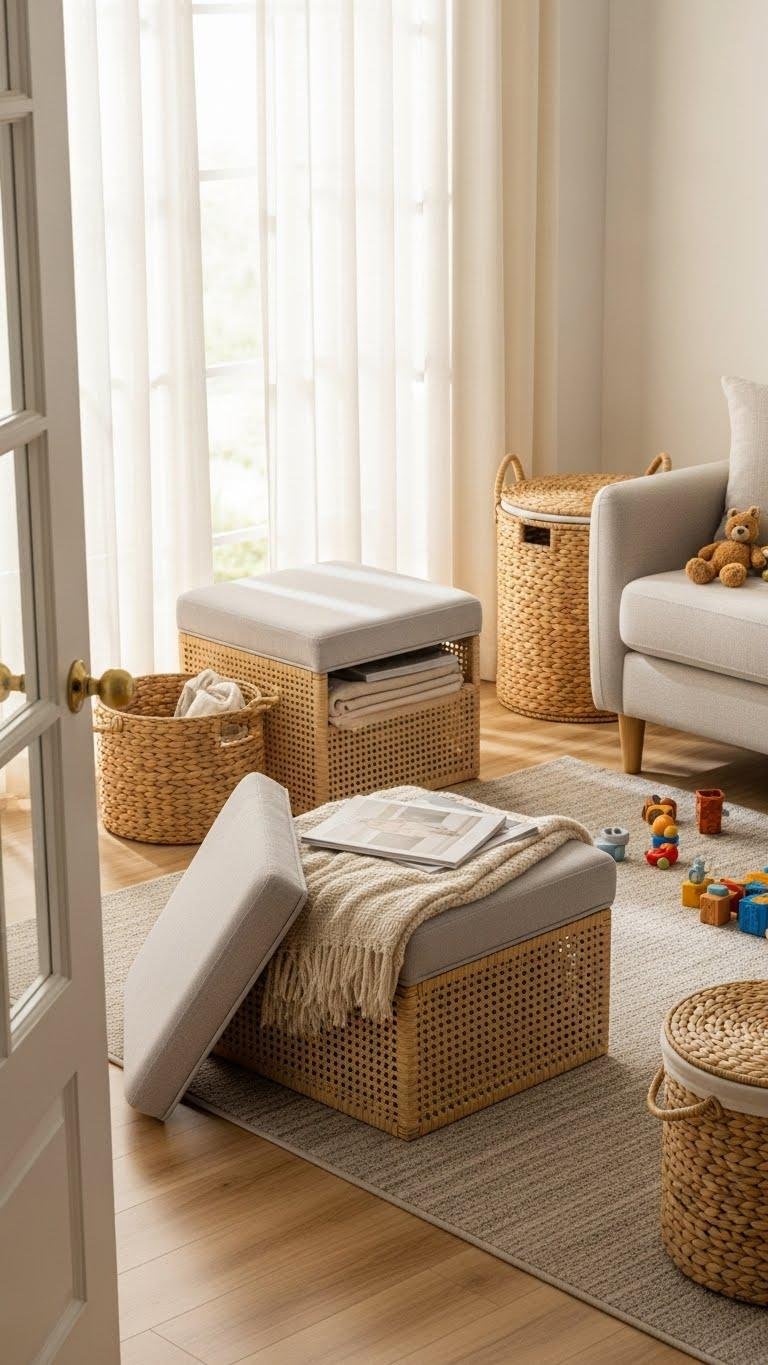
Stash everyday messes out of sight with multipurpose ottomans and woven baskets that double as seating and storage. You’ll reclaim floor space and calm visual clutter by tucking blankets, magazines, and hidden toyboxes inside cushioned ottomans. Place woven hampers by the door or sofa for quick sorting. Choose lightweight, durable pieces you can move freely, keeping the room airy and ready for living.
Map Furniture Placement to Scale
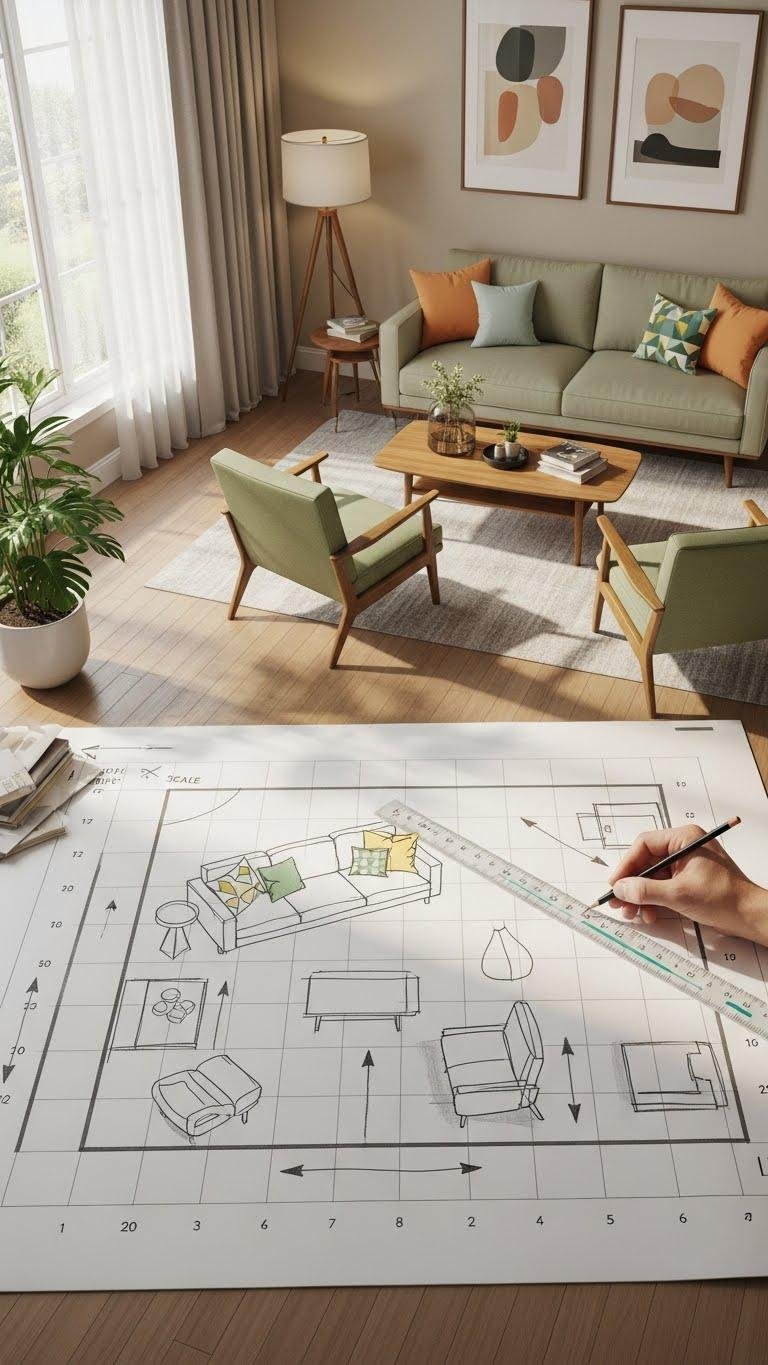
Once you’ve contained everyday messes, think about how each piece sits in the room by mapping furniture to scale.
You’ll sketch scale diagrams and use placement grids to test layouts without heavy lifting. Measure, draw to proportion, and try alternatives until traffic flows, sightlines open, and seating feels liberating.
Small shifts create roomy results, so plan deliberately and keep arrangements flexible.
Create Flexible Zones With Room Dividers
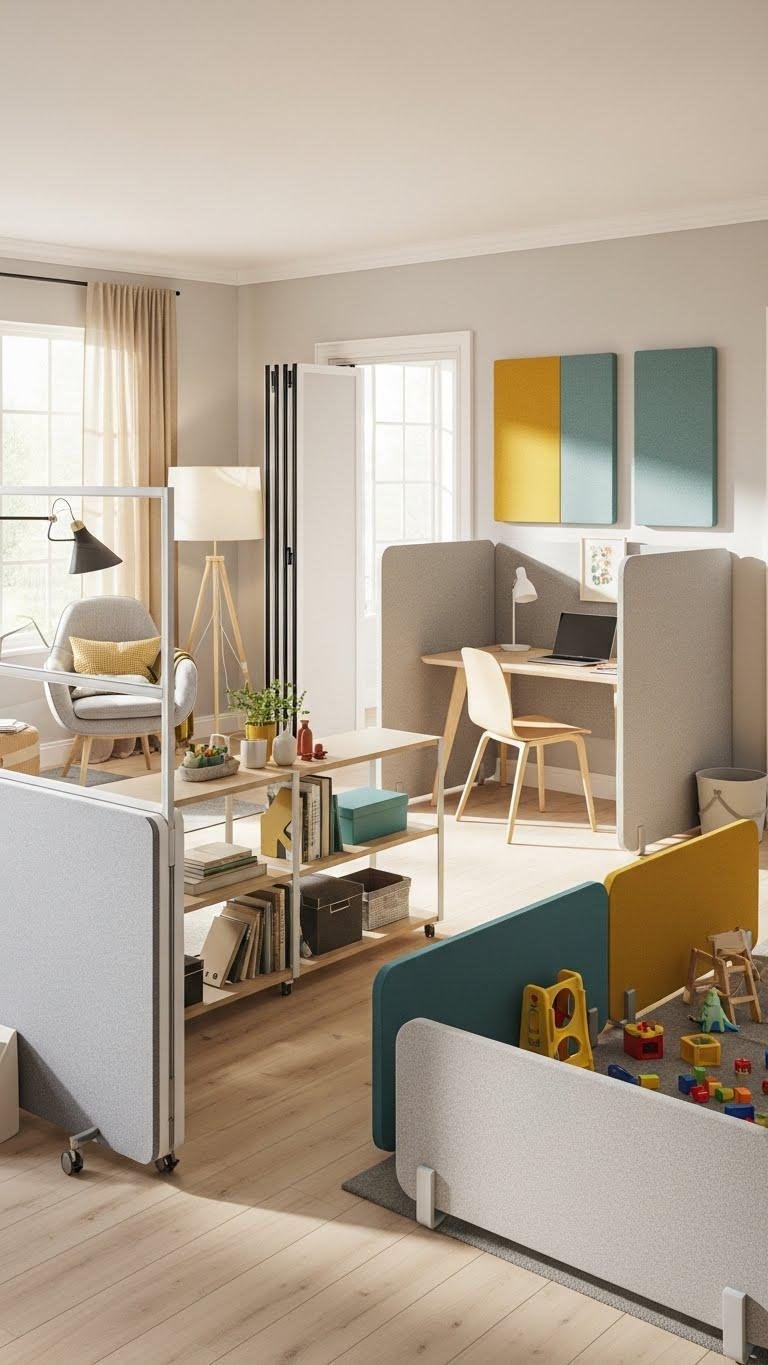
Think in layers: room dividers let you carve distinct zones without committing to permanent walls, so you can shift a workspace, reading nook, or play area as needs change.
Choose lightweight portable screens for instant privacy and flow, or install acoustic panels to tame noise.
Mix open and solid pieces, keep sightlines, and move elements freely so your living room adapts to your life.
Use Over-Door and Window-Above Storage
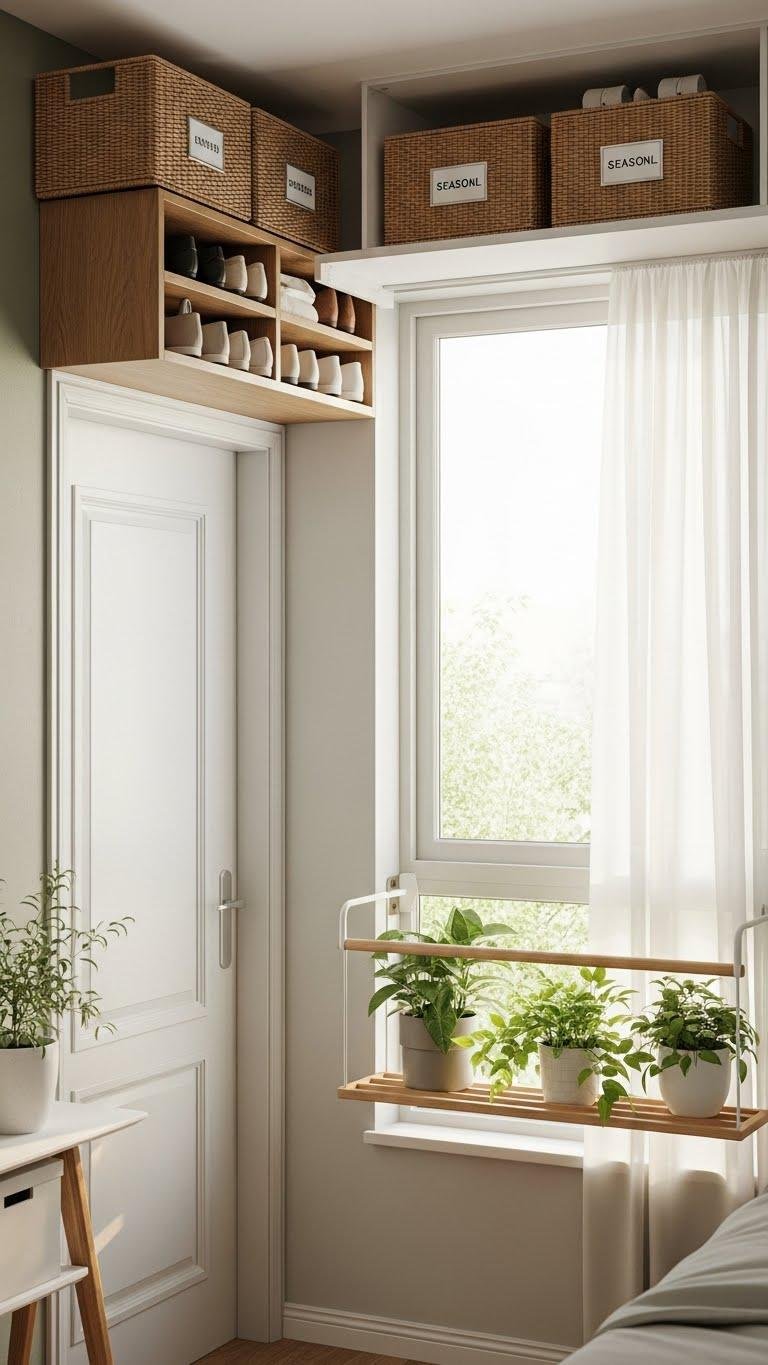
When floor space is tight, look up: over-door and window-above storage turns unused vertical real estate into tidy, out-of-the-way stowage.
You can stash a seasonal shoe rotation in labeled baskets up high, free the floor and feel lighter.
Add a slim plant humidity shelf near a window to keep greenery thriving without sacrificing room.
Simple, airy, liberating.
Balance Scale With Small-Scale Accessories
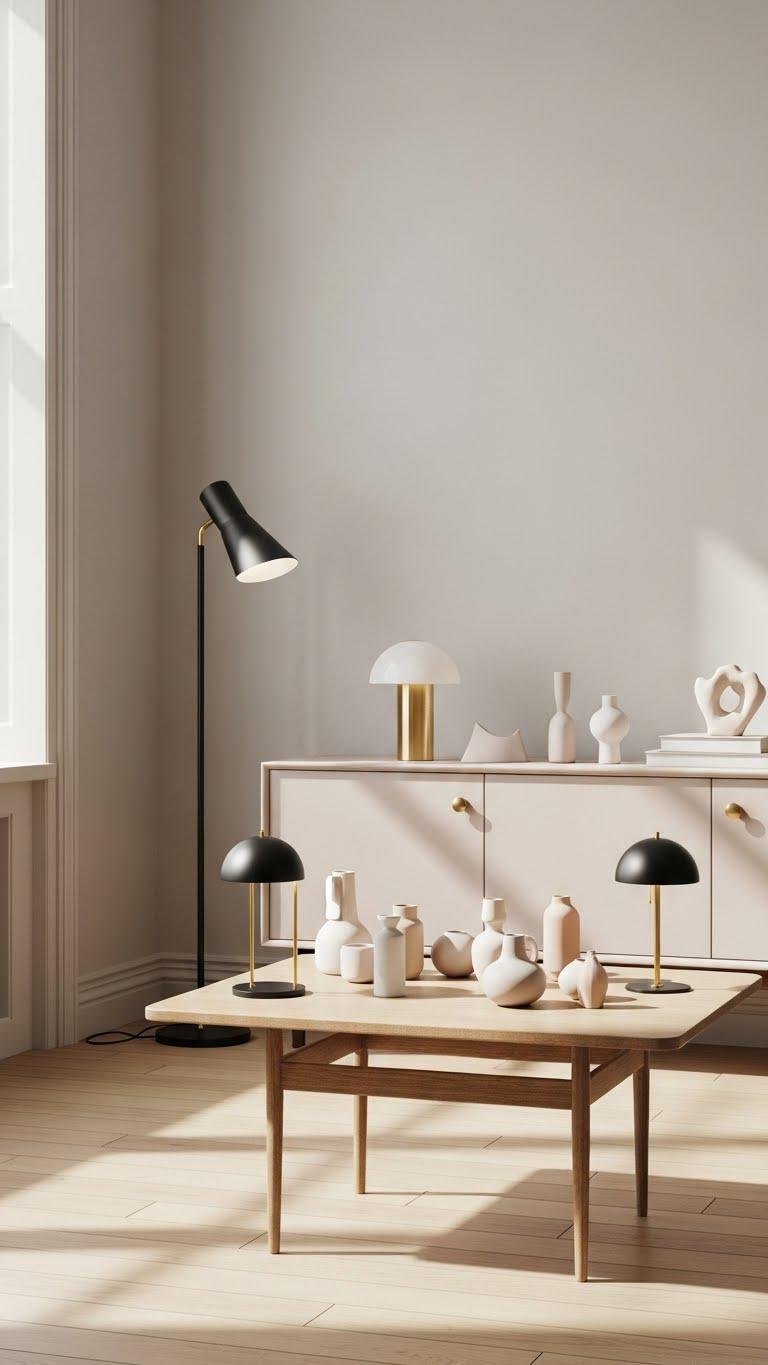
After you clear the floor and lift items up, keep the room feeling airy by matching scale on a smaller level: choose accessories that whisper, not shout. You’ll balance visual weight with miniature scales — tiny vases, low-profile lamps, and delicate accessories — arranging clusters that breathe. Keep pieces purposeful, let negative space roam, and enjoy a light, liberated living room that feels open and intentional.